Shares of CoreWeave plunged 62% from their June 2025 peak, wiping out roughly $33 billion in market value, as investors reacted to a convergence of construction delays, mounting debt, and growing skepticism about the economics of large-scale AI infrastructure.
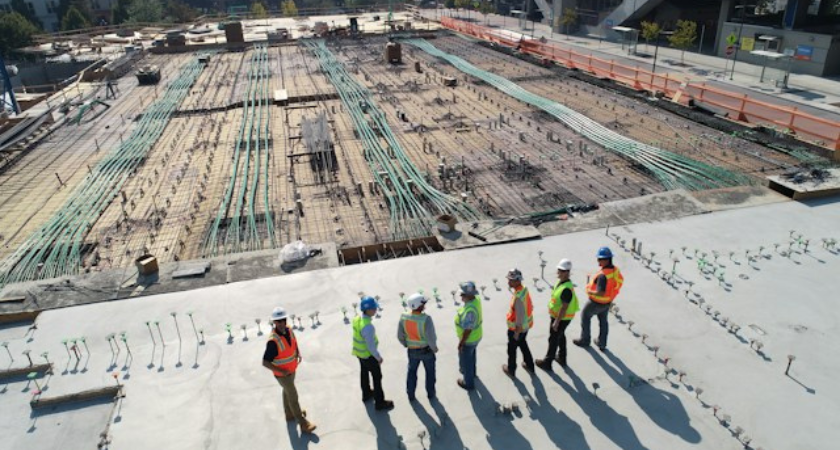
The selloff intensified after heavy rainstorms in North Texas stalled construction at a 260-megawatt data center complex in Denton, a critical hub in CoreWeave’s national expansion strategy. Persistent rain and strong winds prevented contractors from completing concrete pours, pushing the project back by approximately 60 days and delaying the deployment of GPU capacity tied to future revenue growth.
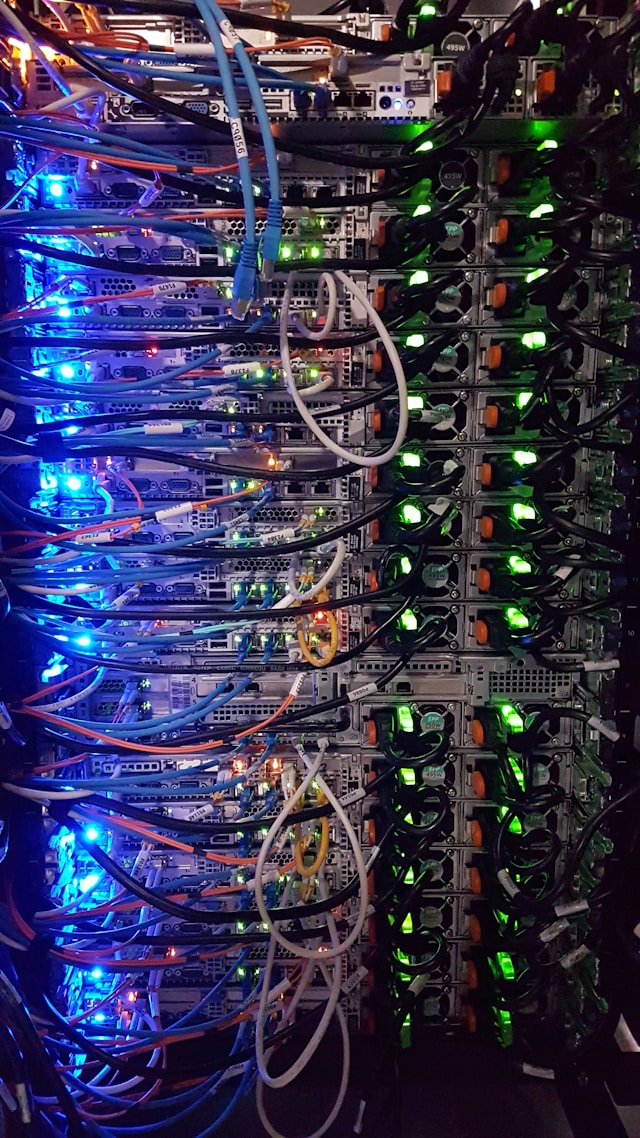
The Denton setback amplified broader concerns surrounding CoreWeave’s capital-intensive business model. The company operates more than 250,000 NVIDIA GPUs across 32 data centers, serving major customers including OpenAI, Meta, and Microsoft, but its aggressive expansion has come at a steep financial cost. CoreWeave reported $4.7 billion in capital expenditures during the first half of 2025, compared with $2.2 billion in revenue, deepening the gap between spending and cash generation.
Debt pressures have added to investor unease. CoreWeave carries $2.25 billion in senior notes, and as interest rates rise, borrowing costs are weighing more heavily on the company’s path to profitability. Despite rapid revenue growth, losses continue to mount, highlighting the risks tied to scaling AI infrastructure before utilization rates fully mature.
Market analysts have also flagged execution challenges linked to CoreWeave’s construction partners. Reports indicated that design revisions and scheduling issues have complicated timelines not only in Texas, but at other sites tied to CoreWeave’s expansion plans. These delays have fueled concerns that infrastructure bottlenecks could persist even as demand for AI compute remains strong.
Chief Executive Officer Mike Intrator attempted to reassure investors, saying delays would “clear themselves,” but markets remained unconvinced as shares slid to a 16-month low. Analysts noted that even temporary disruptions can have outsized consequences for companies carrying large debt loads and operating on tight construction schedules.

Financial guidance revisions added to the pressure. In November, CFO Nitin Agrawal lowered CoreWeave’s 2025 revenue outlook to $5.05 billion–$5.15 billion, signaling that challenges extend beyond weather-related disruptions. In the first quarter of 2025 alone, the company posted nearly 420% year-over-year revenue growth, but still reported a net loss of $315 million, reinforcing concerns about long-term unit economics.
The turbulence at CoreWeave has reignited broader questions about whether the AI infrastructure boom is overheating. While demand for GPU capacity remains robust, investors are increasingly scrutinizing whether companies can generate sustainable profits amid soaring construction costs, supply chain constraints, and intense competition.
As one industry assessment warned:
“Construction delays at CoreWeave reflect broader supply chain vulnerabilities and execution risks that could undermine the entire AI infrastructure narrative.”
— Technology Sector Analysts, Wall Street Research Consensus
Looking ahead to 2026, CoreWeave faces mounting pressure to complete delayed projects, stabilize costs, and prove that its high-growth strategy can deliver durable returns. For investors, the company’s performance may serve as a bellwether for the wider AI infrastructure sector, where enthusiasm is increasingly being tempered by hard questions about execution, debt, and long-term viability.
Originally reported by Daniel Harris in Red 94.