MADISON, Wis. — Large-scale data center development is emerging as a stabilizing force for Wisconsin’s construction industry, injecting billions of dollars in new investment and generating thousands of jobs as activity slows in other sectors.
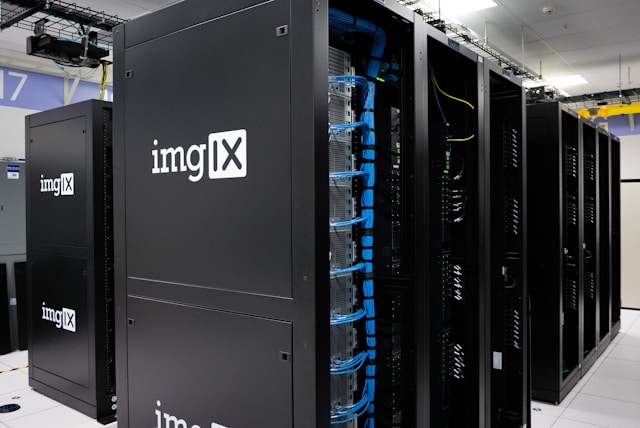
Wisconsin is now home to 47 data centers, according to Data Center Map, ranging from multi-tenant facilities to large standalone buildings. That footprint has expanded rapidly following Microsoft’s 2024 announcement of a $3.3 billion, 1.5 million-square-foot data center campus in Mount Pleasant — a move that helped open the door for a wave of AI-driven megaprojects across the state.
Major technology companies including Microsoft, Meta, QTS and Vantage are planning or building massive data center campuses that together represent tens of billions of dollars in investment. These facilities are designed to support cloud computing and artificial intelligence workloads, fueling demand for skilled union labor even as broader construction indicators soften.
The surge aligns with national efforts to reshore technology infrastructure and expand domestic computing capacity, driven in part by rapid advances in artificial intelligence and the growing energy demands of large-scale server operations.
Dale Lewis, director of data centers for Appleton-based Boldt, said Wisconsin’s business-friendly approach and climate advantages have helped attract developers.
“One of the benefits of being in Wisconsin is it is a cooler weather climate,” Lewis said in an interview. “If you look at a one-year cycle, if we can run a cooling system without using chillers to cool the water that’s in the closed-loop system, and we can do it with just a radiator that sits outside; we call that free-cooling because we’re using the atmosphere to bring water temperatures down into a controllable rate. But on top of that, the state is very proactive from a business standpoint at attracting data center development.”
While data centers have provided a major lift to manufacturing construction, the sector has also drawn increased scrutiny. Environmental groups, residents and regulators are raising questions about electricity consumption, water use and long-term public impacts, particularly in communities hosting megaprojects.
Lewis said operators and contractors are increasingly focused on reducing environmental impacts and managing strain on utility systems.
Industry economists point to data centers as one of the few consistently growing construction segments. While more than half of contractors surveyed in November believed overall construction was shrinking, data center projects helped keep manufacturing construction activity strong, said Anirban Basu, chief economist of the Associated Builders and Contractors. About one in seven contractors reported working on data centers and carrying higher backlogs as a result.
Basu has also said the Midwest is well positioned for continued growth because of its suitability for megaprojects such as data centers and semiconductor manufacturing.
Beyond construction, developers are emphasizing workforce training, renewable energy and restoration efforts. Microsoft has pledged partnerships with United Way, the University of Wisconsin and the Wisconsin Technical College System to train more than 100,000 people in artificial intelligence. Meta and QTS have announced renewable energy initiatives with Alliant Energy to offset growing electricity demand.
Lewis said the ripple effects of the data center boom could extend far beyond construction sites.
“If the industry continues to grow, you’ll see any supporting businesses that can interact with data center development also grow and flourish,” Lewis said. “Any kind of service provider, any kind of maintenance provider for any of these data center developments, security, manpower and the construction industry. All of them will benefit from this kind of development coming from the state. This is a market sector with more money than we’ve seen since the Industrial Revolution and being positioned to seize that opportunity is very important for the state of Wisconsin.
Virginia-based QTS is advancing plans for a $12 billion data center campus in Dane County and has committed $50 million to support Madison Area Technical College and other local institutions. The project includes partnerships with construction unions and Alliant Energy to launch 750 megawatts of renewable power.
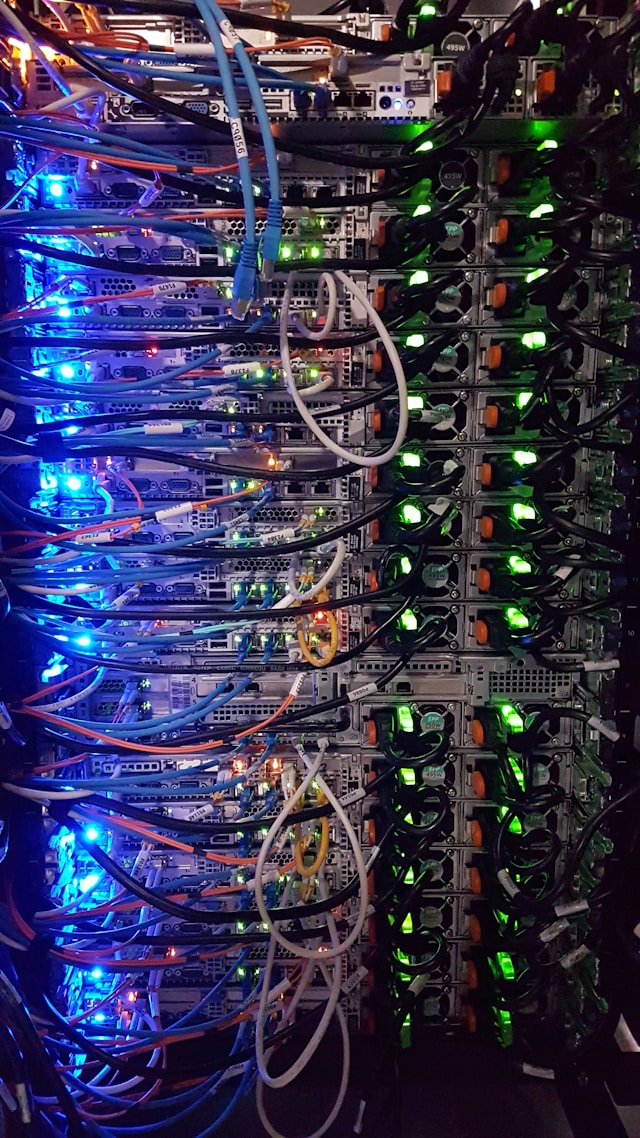
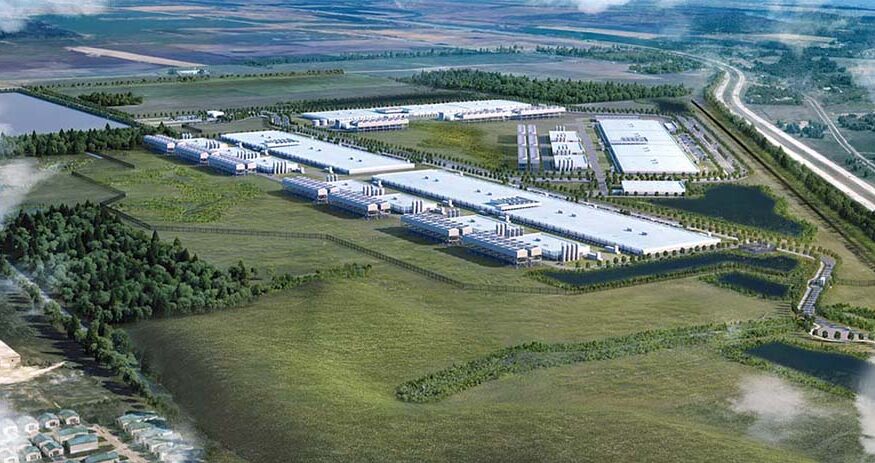
A $15 billion, 672-acre campus in Port Washington will include four buildings totaling 2.5 million square feet. The project, slated for completion in 2028, will serve OpenAI and Oracle as part of the companies’ nationwide “Stargate” AI infrastructure initiative.
Meta is developing a $1 billion, 500-acre data center campus in Beaver Dam that is expected to generate more than 1,000 construction jobs and about 100 permanent positions. The company plans to power the facility with 100% renewable energy and pursue LEED Gold certification.
Microsoft has committed more than $7 billion to Wisconsin projects, including its Mount Pleasant campus and additional AI-focused facilities. The first phase is expected to come online in early 2026 and has already created roughly 3,000 construction jobs.
Viridian is pursuing redevelopment of the former General Motors plant in Janesville into an $8 billion, 800-megawatt data center campus. The project would require site remediation and major power infrastructure upgrades.
Despite the economic lift, challenges remain. Contractors face labor shortages, rising material costs and uncertainty tied to proposed tariffs on steel and copper. Public opposition has also intensified in some communities, including Caledonia, where a proposed Microsoft data center was rejected following resident concerns over water and energy use.
As Wisconsin weighs the benefits and impacts of hosting some of the nation’s largest AI infrastructure projects, data centers continue to reshape the state’s construction landscape — offering opportunity, but also raising questions about sustainability and long-term growth.
Originally reported by Ethan Duran, BridgeTower Media in Finance-Commerce.