CHEYENNE — The Wyoming House of Representatives approved a move this week that could pave the way for funding long-discussed construction and renovation projects at community colleges across the state.

The decision followed an emotional debate among lawmakers over whether now is the right time to commit state dollars to campus infrastructure, even as some facilities show signs of age and deterioration.
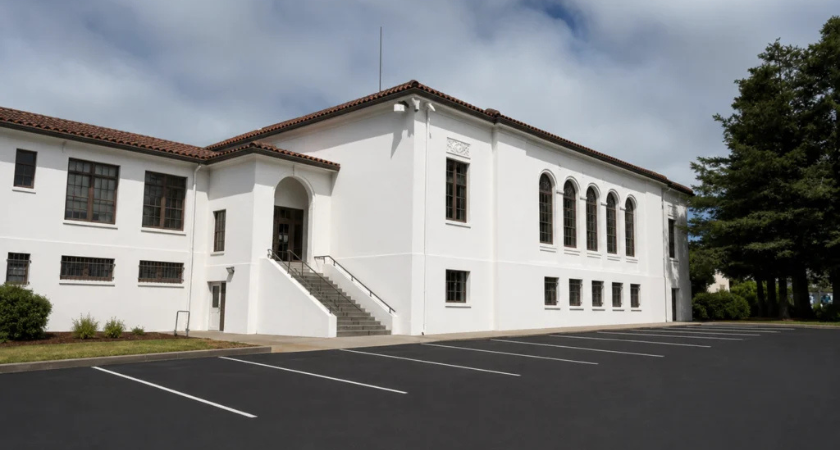
Before voting to deny funding that could restore a deteriorating building at his local community college, Rep. Ken Pendergraft, R-Sheridan, said it was one of his most difficult decisions as a lawmaker, despite supporting the move in the past.
“I’m a contractor. I understand the arguments. In fact, I’ve made them,” he said. “... At this time I’m going to be a ‘no’ on this amendment. That’s probably the most reluctant ‘no’ that I’ve ever given.”
The vote highlights ongoing tensions within the Legislature as it weighs capital construction needs against broader budget concerns. Community colleges across Wyoming have identified facility upgrades and new building projects as priorities, citing workforce training demands and aging infrastructure.
Supporters of releasing funds argue that delaying projects could increase long-term costs, especially as construction materials and labor expenses remain volatile. They say updated facilities are essential to modern technical education programs, including welding, healthcare training, energy technology and skilled trades — sectors closely tied to Wyoming’s economy.
Opponents, however, have expressed caution about expanding spending commitments amid revenue uncertainty. Some lawmakers argue the state should focus on core obligations and maintain fiscal restraint until long-term revenue projections stabilize.
The measure approved by the House does not immediately authorize specific projects but could create a pathway for funding allocations tied to vetted community college construction plans.
Rep. Pendergraft’s comments reflected the difficult position faced by lawmakers representing districts where colleges are seeking improvements. In Sheridan, local leaders have pointed to facility deterioration as a concern for students and staff.
Across the state, institutions such as Laramie County Community College and Sheridan College have evaluated upgrades ranging from classroom modernization to structural repairs.
Community college administrators argue that modern facilities help attract students, retain faculty and support workforce partnerships with local industries. Many campuses also serve as community hubs, hosting public events, continuing education courses and economic development programs.
Construction funding decisions carry implications beyond campus boundaries. Lawmakers acknowledged that building projects could generate short-term economic activity through contractor hiring and material purchases, while also supporting long-term workforce development goals.
At the same time, debates over capital spending often intersect with broader discussions about Wyoming’s reliance on energy revenues and the need to diversify its economic base.
The proposal now advances in the legislative process, where further amendments and negotiations are expected. Budget details, project prioritization and funding mechanisms will likely remain central points of discussion in the coming weeks.
For lawmakers like Pendergraft, the vote underscores the complexity of balancing fiscal responsibility with infrastructure investment — particularly when those decisions directly affect their home communities.
Originally reported by Noah Zahn Wyoming Tribune Eagle in Wyoming News.