Construction companies heading into 2026 are preparing for one of the most complex operating environments the industry has faced in years. Rising costs, workforce shortages, regulatory uncertainty and shifting demand patterns are expected to challenge owners, contractors and trade partners across both vertical and horizontal markets.

Despite these headwinds, firms that adopt new technologies, diversify their project portfolios and maintain strong financial discipline will be better positioned to withstand volatility and capture emerging opportunities.
Material prices for steel, concrete, lumber and critical mechanical and electrical components are expected to remain elevated or trend upward again in 2026, driven largely by tariff uncertainty and ongoing supply-chain disruptions. These pressures continue to complicate bidding and increase the likelihood of change orders, particularly on long-term projects where cost forecasting is more difficult.
As a result, contractors may see a rise in contract disputes, insurance premiums and legal costs. These secondary expenses can compound financial strain, especially for firms operating on tight margins.
At the same time, public-sector construction may slow. Federal spending cuts and the winding down of pandemic-era relief funding are already prompting municipalities to take a more cautious approach. Many cities are prioritizing only mission-critical projects as revenues flatten going into 2026.
Private development faces its own constraints. Tighter lending standards, coupled with only modest interest rate relief, are expected to restrict access to capital. Contractors working in commercial and residential construction may feel the squeeze most acutely, as lenders demand higher equity contributions, larger contingency reserves and stronger borrower profiles.
This environment has also accelerated a shift toward private credit, which can offer greater flexibility but often comes with higher borrowing costs. Sustainability requirements and technology integration are also becoming more central to financing decisions, particularly among larger banks.
Tariffs and evolving trade policy continue to inject uncertainty into construction pricing. In response, contract language is increasingly incorporating escalation clauses and tariff-adjustment provisions to shift risk to owners.
On the public side, major federal initiatives — including infrastructure and energy programs created under the Infrastructure Investment and Jobs Act — face potential funding cliffs and policy changes in late 2026. Contractors heavily reliant on government work may need to reassess backlog exposure and strengthen cash-flow planning.
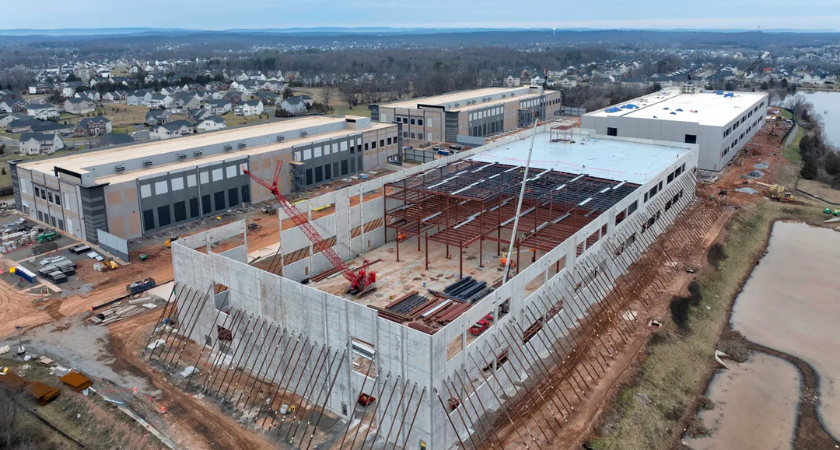
Even so, demand for institutional facilities, infrastructure, energy projects and data centers appears relatively stable, offering some insulation against broader market softness.
.jpg)
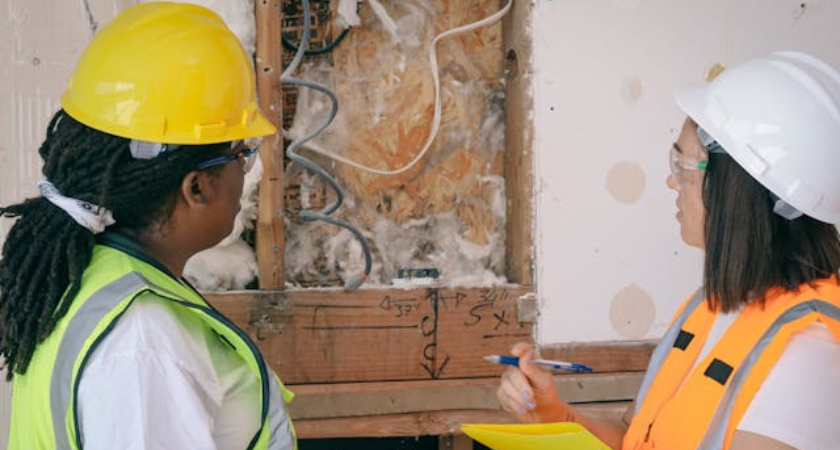
The construction labor shortage remains one of the industry’s most pressing challenges. An aging workforce and limited pipeline of younger workers are expected to drive demand for hundreds of thousands of additional skilled employees by 2026.
Wages are rising faster than inflation, and tighter immigration policies are further constraining labor supply. These factors are likely to push project costs higher, extend schedules and complicate staffing for complex builds such as data centers, manufacturing facilities and major infrastructure projects.
To mitigate these pressures, contractors are increasingly turning to digital solutions. Tools such as building information modeling, drones, data analytics and artificial intelligence can help control costs, improve productivity and reduce disputes while making better use of limited labor resources.
Spending is expected to soften in certain commercial and manufacturing segments, even as data centers, energy projects and infrastructure continue to expand. This uneven demand landscape will force contractors to rebalance portfolios, enter new markets and manage staffing levels carefully based on geography and specialization.
Megaprojects and data centers remain among the most attractive opportunities in 2026, but competition for both work and skilled labor is intensifying.
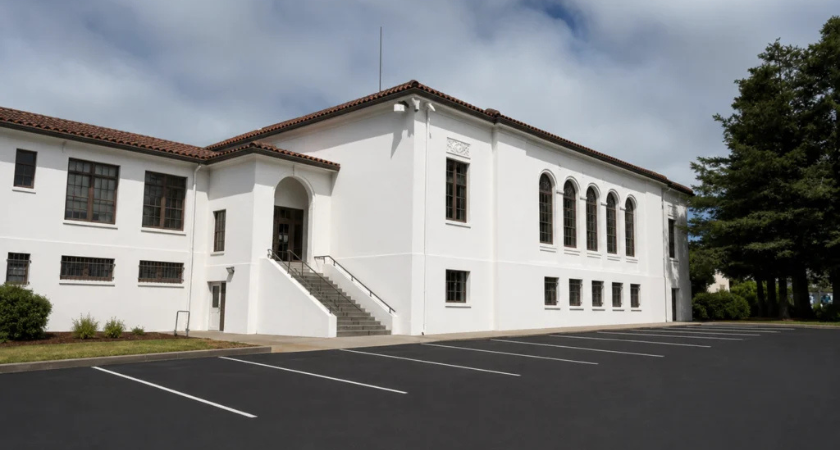
Meanwhile, adaptive reuse and reconstruction projects are gaining momentum as developers and municipalities search for ways to address persistent housing shortages. Federal initiatives such as the ROAD to Housing Act are encouraging local governments to convert underutilized commercial and office properties into residential space, creating new avenues for construction activity.
Contractors that enter 2026 with strong balance sheets, disciplined liquidity management and strategic bidding practices will have the flexibility needed to navigate uncertainty. Successfully managing material price volatility, labor constraints and regulatory risk will be essential to maintaining profitability.
Ultimately, firms that embrace technology, diversify their work and adapt quickly to shifting market conditions will have a competitive edge — even as the industry faces another demanding year.
Originally reported by Danielle Kaiser in Construction Dive.