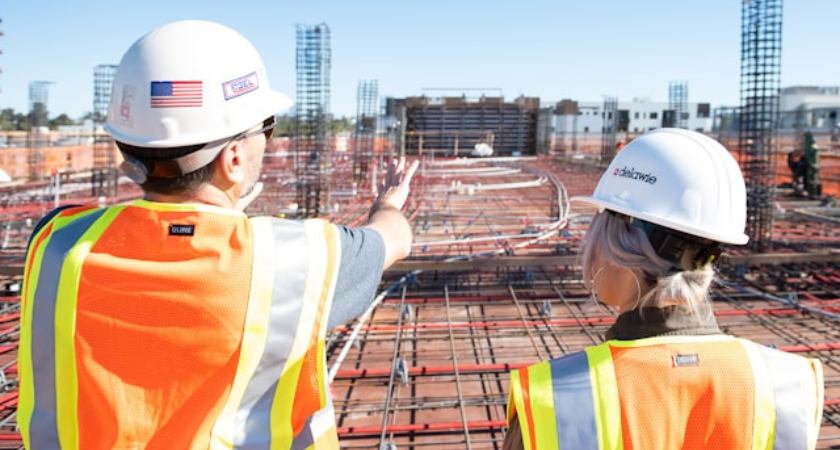
California continues to rely more heavily on immigrant labor in construction than any other state, with foreign-born workers making up 41.5% of its entire construction workforce, according to new data from Construction Coverage. As federal immigration enforcement intensifies, the report highlights growing concerns across an industry that depends on millions of foreign-born workers to meet steady demand for residential, commercial, and infrastructure projects.
Across the U.S., immigrants—both documented and undocumented—play a central role in keeping job sites running. They are not only a major share of frontline labor positions but are also critical in specialized trades that require experience, technical skills, and long-standing community networks. Construction Coverage notes that in many of the nation’s largest metros, immigrants now account for more than half of all construction workers.
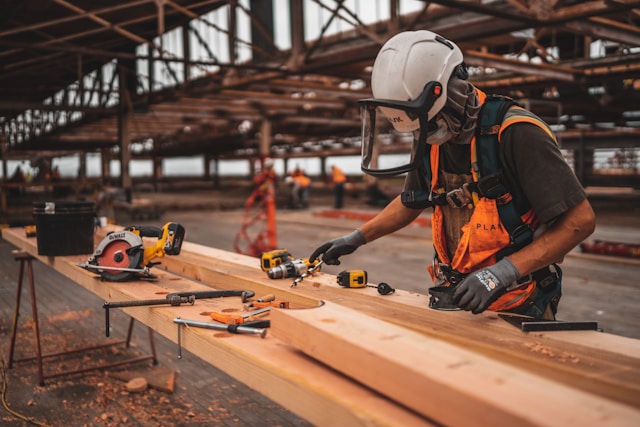
The share of foreign-born workers in U.S. construction has been rising for more than a decade. In 2009, immigrants made up 23.3% of construction employees. By 2023, that number climbed to 26%, representing an increase of more than 435,000 foreign-born workers since the Great Recession.
This growth is tied to several factors: the physical nature of construction work, a shrinking native-born labor pipeline, and dense urban markets that depend on seasoned immigrant tradespeople to meet project volume. The result is a workforce in which nearly 2.9 million construction workers nationwide are foreign-born.
Construction is a broad industry that spans everything from carpenters and plumbers to accountants and executive staff. But the data shows a sharp concentration of immigrant workers in the most physically demanding occupations.
By absolute numbers, the largest group of foreign-born workers are construction laborers—754,476 nationwide—followed by carpenters (364,941) and painters/paperhangers (250,940). These workers form the backbone of the U.S. construction economy and are often at the center of debates about workforce shortages and immigration policy.
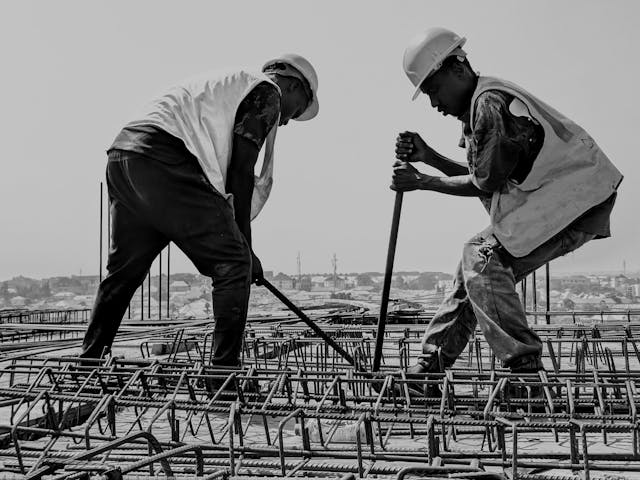
Nowhere is this reliance more pronounced than in California. The state employs 521,249 foreign-born construction workers, representing 41.5% of its entire construction labor force. This share is far above the national average of 26% and reflects long-standing immigration patterns, high construction demand, and labor shortages in key trades.
Other leading states include:
Together, these five states employ more than 1.6 million foreign-born construction workers—over half of the immigrant construction workforce in the country.
In sharp contrast, states like Montana, Maine, and Vermont rely on immigrant workers for less than 3.5% of their construction workforce. These disparities reflect demographic patterns, local labor availability, and the scale of urban construction activity.
At the metro level, the numbers are even more striking. In several major U.S. cities, immigrants make up the majority of construction workers:
These metros are hubs of dense development, large-scale commercial projects, and infrastructure investment. Their reliance on immigrant labor means that tightened federal enforcement or slowdowns in immigration flows could sharply affect project schedules, labor costs, and availability of skilled workers.
As debates over immigration intensify, the construction sector is signaling growing vulnerability. Any disruption to the availability of immigrant labor—through policy changes, visa backlogs, or enforcement surges—could ripple through an industry already struggling with shortages.
With billions of dollars in infrastructure, housing, and commercial development underway, states like California and Texas could face significant challenges if foreign-born labor becomes harder to access. For now, the data underscores a clear trend: immigrant workers are not only vital, they are deeply embedded in the foundation of America’s construction economy.
Originally reported by The Press.