The Metropolitan Transportation Authority committed a record $15.8 billion to capital projects in 2025, the largest single-year investment in transit infrastructure in the agency’s history, according to a Jan. 28 news release from New York Gov. Kathy Hochul’s office.
The investments included more than $5 billion made possible through Congestion Relief funding, according to the release. The record figure aligns with the start of the MTA’s fully funded 2025-2029 Capital Plan, which includes $2.75 billion for the Interborough Express and $3.4 billion for state-of-good repair projects.
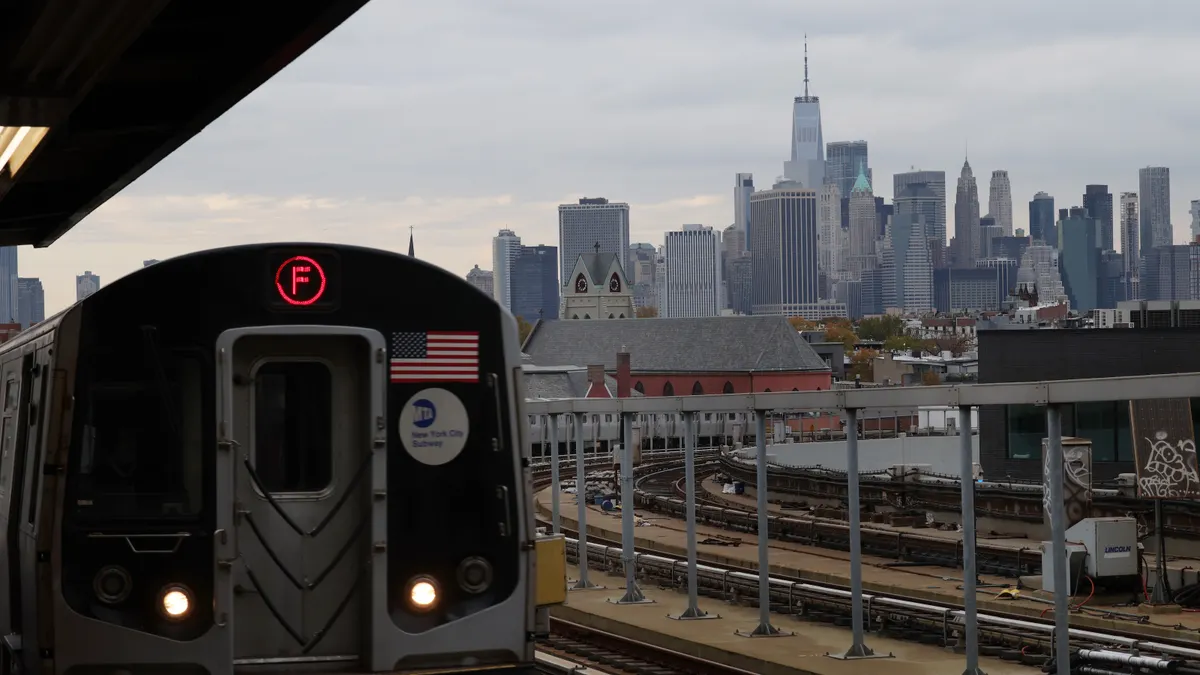
The scale of the commitment reflects years of preparation to stabilize the region’s aging transit network while expanding service to underserved communities. Congestion pricing revenues, which began flowing in 2025, have provided a dedicated funding stream that transit officials say is already accelerating long-delayed projects.
Transportation analysts note that the $15.8 billion commitment represents not only new construction but also major purchases of rolling stock, signal modernization and accessibility upgrades that will shape the system for decades. The agency has emphasized that the plan balances expansion with essential maintenance, a lesson learned from prior periods when growth outpaced upkeep.
The announcement arrives as the MTA plans to move a number of megaprojects from planning to the active construction phase, according to the release.
Major projects advancing include the second contract for tunneling on Phase 2 of the Second Avenue Subway expansion. Two additional contracts remain in procurement and design, according to the MTA.
In August 2025, the agency also awarded a $166 million contract for engineering and design of the Interborough Express to a joint venture of Omaha, Nebraska-based HDR and Dallas-based Jacobs.
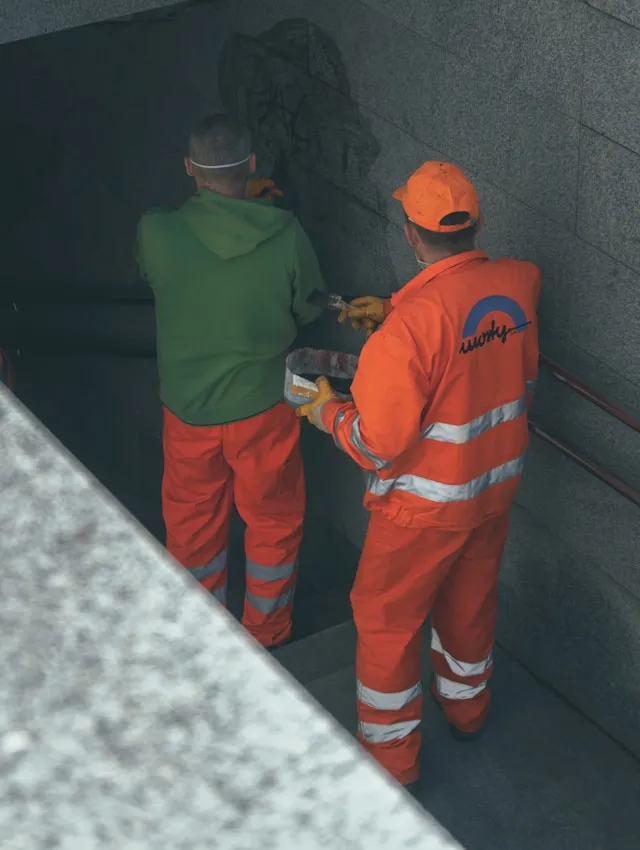
Other work includes signal modernization on the Fulton & Liberty AC lines in Brooklyn and Queens. The MTA expects the project to deliver 33% cheaper on a per-mile basis than prior signal modernization projects, according to the release. The agency also plans to improve accessibility at seven stations, including the Bryant Park Complex on the BDFM7 trains.
In total, here is the breakdown of the $15.8 billion commitment:
The record-breaking year beats the previous level set in 2022, when the MTA awarded $11.4 billion in contracts, according to the release. In addition to the commitment, the MTA completed $6.7 billion in projects in 2025, trailing only 2023’s $7.1 billion as the strongest year for capital project completions.
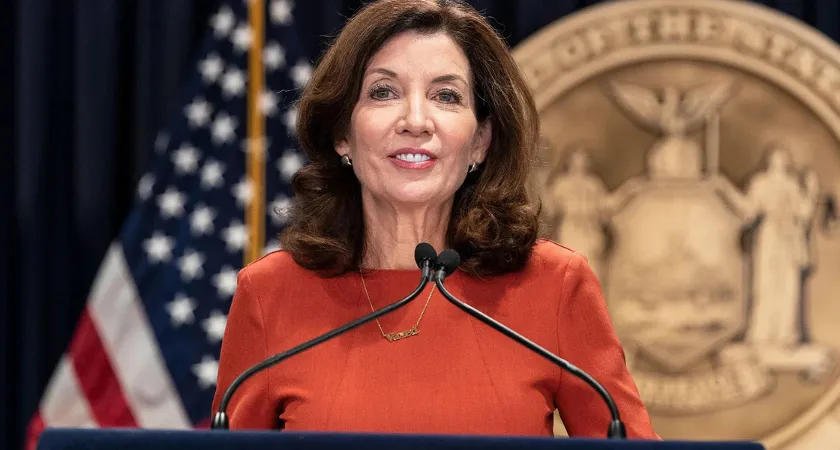
“New York is investing in transit like never before, with record levels of investment being made to upgrade our existing system and to bring better transit to more communities,” said Hochul in the release.
Transit advocates say the surge in investment comes at a critical moment as ridership continues to recover from pandemic lows and as extreme weather places new stress on century-old infrastructure. The Interborough Express alone is expected to connect more than a dozen subway lines, creating new travel options for Brooklyn and Queens residents without requiring trips through Manhattan.
The authority also faces pressure to deliver projects more efficiently after years of criticism over high construction costs. Officials have pointed to design-build contracting and standardized station components as strategies to stretch dollars further. If the 2025 pace continues, the current capital program could become the most transformative since the system’s post-1970s rebuilding era.
Originally reported by Sebastian Obando, Reporter in Construction Dive.
.png)


.png)