New York City’s latest climate resilience megaproject is officially moving forward after leaders finalized a major project labor agreement, clearing the way for construction to accelerate on the $1.7 billion Battery Park City coastal protection system.

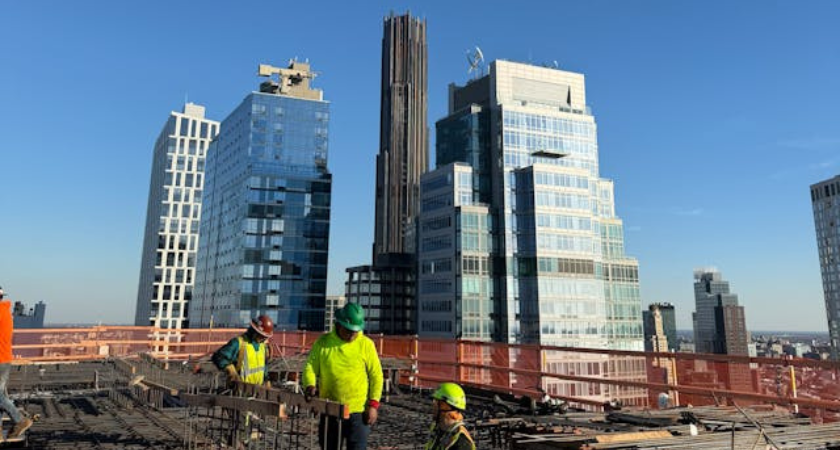
The initiative — one of the city’s most significant post–Superstorm Sandy infrastructure undertakings — is being delivered under a partnership between Turner Construction and SPC Construction, a subsidiary of FlatironDragados. According to officials, the arrangement employs a progressive design-build model, marking the first time New York City has utilized this delivery framework for a major public works project. Turner spokesperson Chris McFadden confirmed that work is already underway.
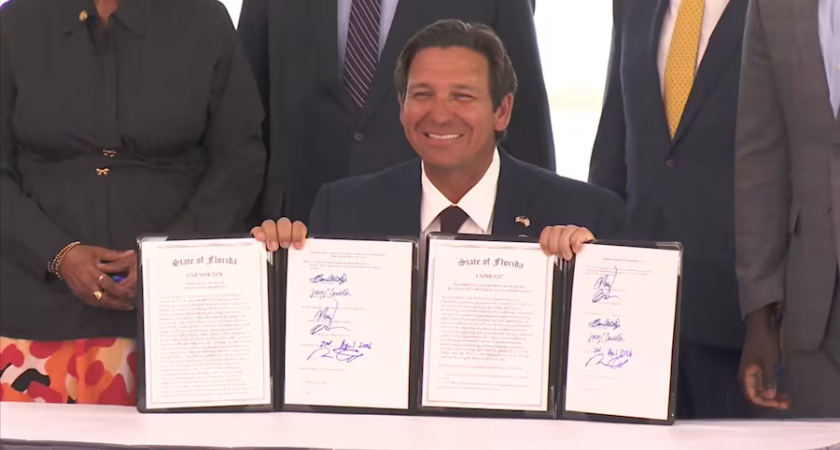
The newly signed PLA outlines wage floors, safety expectations, and expanded economic opportunities for Minority- and Women-Owned Business Enterprises and Service-Disabled Veteran-Owned Business Enterprises. City leaders say this structure will support thousands of union jobs while reinforcing New York’s long-term coastal resiliency strategy.
The agreement builds on the city’s broader push to tie major capital work to labor standards. According to a Nov. 24 announcement from Mayor Eric Adams’ office, more than $7 billion in upcoming New York City construction will fall under new PLAs — with Battery Park City among the featured projects. It also marks the third major resiliency project spearheaded by the Battery Park City Authority since Sandy devastated lower Manhattan.
Industry leaders say such commitments provide the structure needed for speed, safety, and fairness. “More than $7 billion in Project Labor Agreements is the kind of big, bold commitment New York needs right now,” said Carlo Scissura, president and CEO of the New York Building Congress. “This deal means faster projects, safer jobs and fairer wages for the union trades who build our city every day.”
Labor groups echoed that message, emphasizing the role of PLAs in expanding middle-class access within construction. “This is why PLAs, like the one signed today, are crucial,” said Gary LaBarbera, president of the Building and Construction Trades Council of Greater New York. “They guarantee fair and livable wages, safe work environments and more accessible pathways to the middle class for tradesmen and tradeswomen.”

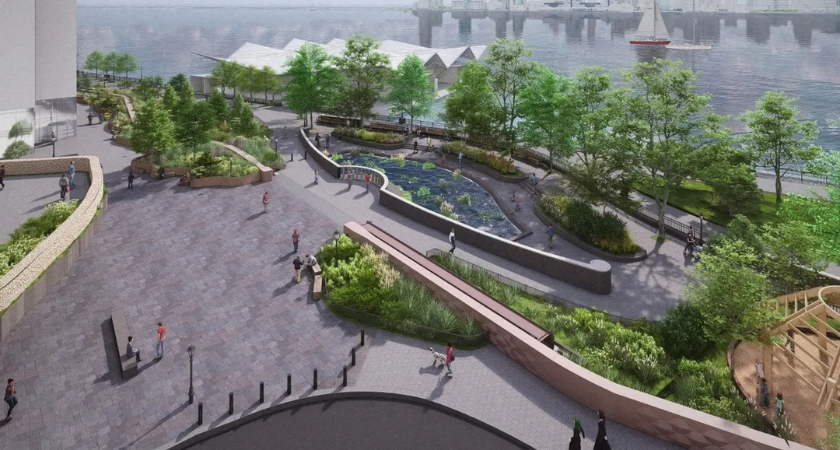
The project team — which includes Turner, SPC, Arcadis, Bjarke Ingels Group and Scape Landscape Architecture — has spent four years refining the design and engineering details. That preparation has shaped a comprehensive coastal protection system designed to confront multiple forms of climate risk.
According to the Turner release, the final plan features:
Once the system is fully completed, officials say Battery Park City will achieve a significant milestone: the neighborhood will be removed from the FEMA flood zone — meaning homeowners will no longer be required to purchase flood insurance.
The scale of the project and the progressive design-build approach provide a clear roadmap for how large, climate-related infrastructure projects may be delivered in New York moving forward. “The Battery Park City Project is a massive undertaking, and this agreement, coupled with our progressive-design build model, codifies that the work will be completed efficiently and to the highest standards,” said Raju Mann, president and CEO of the Battery Park City Authority.
With construction now advancing, the project stands to become one of the most consequential coastal defense systems in the nation, redefining how dense urban communities can build long-term resilience as climate threats intensify.
Originally reported by Sebastian Obando in Construction Dive.