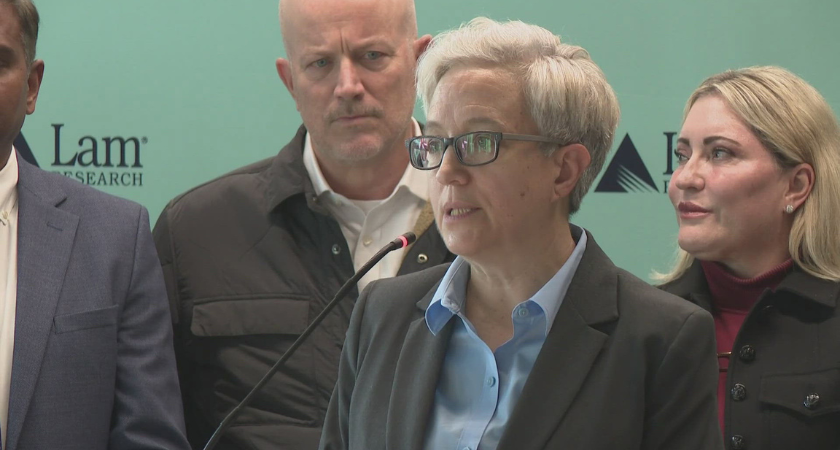
Oregon Gov. Tina Kotek says the state is steadily advancing toward long-term housing goals, reporting that since she took office in 2023, Oregon has helped build or “unlocked” a combined 54,000 new housing units. While most of those homes remain in the planning pipeline, state leaders say the progress signals early momentum in reversing years of housing underproduction.
.jpg)
Upon entering office, Kotek set an ambitious target of 36,000 new homes per year, a figure driven by Oregon’s severe housing shortage and projected population growth. The new data, compiled across four state agencies, shows that just under 14,000 units have been financed or constructed with state support, while incentives, land-use tools, and infrastructure investments have opened the door for an additional 40,000 future homes.
“When I came into office, I challenged Oregonians to do everything we can to increase housing supply,” Kotek said. “As state government, we have worked to fill in the gaps and lean into what works, namely better coordination across agencies, bipartisan new laws, and strategic investments that deliver results. These initial outcomes show the potential that together, we can work our way out of this crisis.”
State housing officials echoed the governor’s optimism, pointing to a renewed sense of alignment between local and state partners. “Every Oregonian should have the freedom to live in a home they can afford in a community they choose,” said Andrea Bell, executive director of Oregon Housing and Community Services. “These outcomes show what is possible when local and state partners move together with urgency and intention.”
Kotek’s early tenure focused heavily on housing and homelessness. In 2023, she declared a state of emergency, issued multiple executive orders, and passed a series of bills aimed at freeing up developable land, improving local planning processes, and accelerating affordable housing projects. The administration has since worked to untangle barriers in cities like Portland, where permitting backlogs and infrastructure constraints have slowed private and public development alike.
Since 2023, the governor’s office reports securing roughly $1.5 billion for both rental and homeownership projects. Oregon has also approved 21 housing production plans that collectively hold the “potential” to add about 205,000 units over the next 20 years. State officials say these long-range tools represent both near-term progress and a broader commitment to sustained construction.
“These numbers demonstrate both immediate progress and long-term commitment,” Kotek’s office said. “They capture the projects already in the development pipeline or under construction, the homes enabled by new land and infrastructure, and the long-range plans that ensure Oregon communities are building toward their future needs.”
However, meeting annual production goals remains unlikely in the near term. The state has revised its target to just under 30,000 units per year for the next decade—still significantly higher than current output. Complicating matters, Oregon lacks a full statewide reporting system; only cities with over 10,000 residents are required to submit housing data, making projections difficult to verify.
Political scrutiny is also growing. While Kotek has not yet announced whether she will run for reelection in 2026, Republican gubernatorial candidates have already criticized the pace of housing progress. State Sen. Christine Drazan and Marion County board chair Danielle Bethell have both argued that they could accelerate development more effectively.
To increase transparency, the governor has directed the Housing Accountability and Production Office and the Department of Land Conservation and Development to begin tracking expected housing outcomes using a public dashboard. The effort is intended to give Oregonians clearer insight into what projects are underway—and how far the state still has to go.
Originally reported by Jamie Parfitt in KGW8.