Steel demand from the automotive and construction sectors is likely to expand only gradually in the coming years, even as the broader US economy shows resilience. That was the central message delivered by Jeremy Leonard, managing director of global industry services at Oxford Economics, during the “Automotive and Construction Demand Outlook” panel at Fastmarkets’ Circular Steel Summit 2026 in Houston.
Leonard emphasized that strong headline economic indicators mask significant structural challenges within the key industries that consume steel. Growth, he said, is being driven by a narrow set of activities such as artificial intelligence infrastructure rather than broad-based industrial momentum.
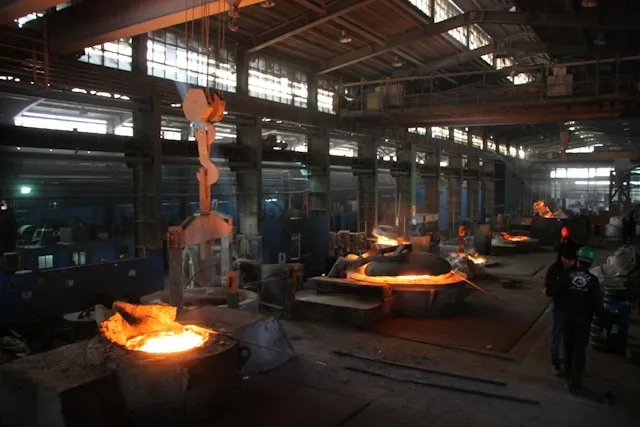
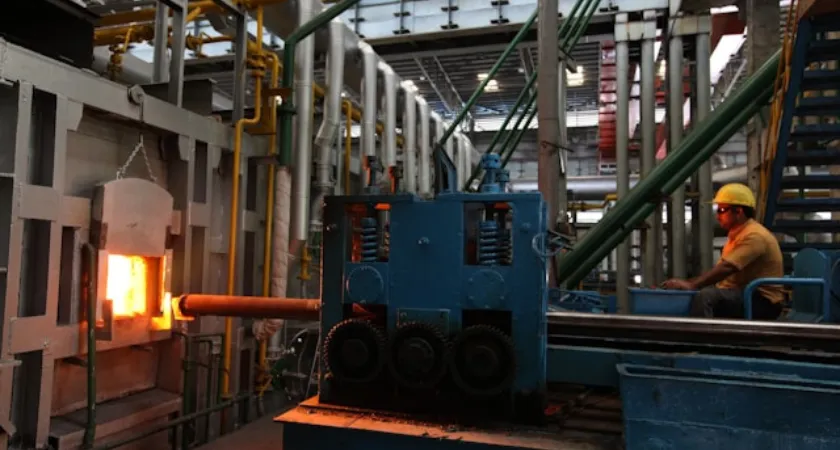
US steel output strengthened through 2025, supported in part by Section 232 tariffs, despite relatively weak demand from end markets. According to Leonard, this improvement came largely at the expense of production in other developed regions, particularly Europe.
Future gains are expected to be limited. Oxford Economics anticipates that US steel production will remain positive but subdued as sluggish automotive sales and uneven construction activity curb consumption.
Prices have moved higher following recent tariff actions, yet the increases have been far more moderate than those seen after the original 2018 measures. Leonard noted that today’s environment is fundamentally different from earlier cycles.
“Compared with previous cycles, the demand environment today is fundamentally different,” Leonard said, adding that steel prices are expected to edge higher, but without sharp upside.
The overall US economy is forecast to outperform many other developed nations, but Leonard cautioned that the strength is concentrated in limited areas. Data centers and AI-related investment are expanding rapidly, while traditional consumer-driven demand remains softer.
In the automotive sector, fears that tariffs would severely damage vehicle sales have not yet been realized. Much of the added cost has been absorbed by manufacturers and suppliers rather than passed on to buyers.
Oxford Economics calculates that around $20 billion in tariff-related costs have been taken on within the supply chain, helping to sustain short-term demand. Leonard warned, however, that this cannot continue indefinitely and could eventually lead to higher vehicle prices.
Vehicle affordability remains a major obstacle. Financing costs have stayed elevated despite a pause in Federal Reserve rate hikes, and the expiration of electric-vehicle tax credits has further weakened purchasing power.
As a result, the firm expects US automotive production to remain essentially flat through 2027, with total growth of only about 1%. Any expansion will be led by hybrid and electric models.
Leonard pointed out an important nuance for steelmakers: although EVs use a lower proportion of steel, they are heavier overall because of battery systems.
“EVs, while lighter in steel share, actually contain more steel per unit on a weight basis due to heavier battery systems,” Leonard said, highlighting a limited but positive tailwind for steel demand.
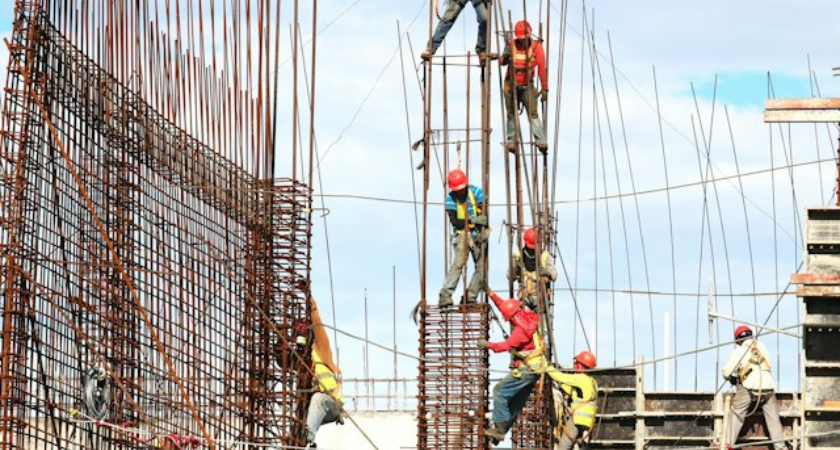
Construction accounts for roughly half of US steel consumption, making it the most critical market for producers. Yet Leonard described the outlook as “mixed and uneven,” with stark differences between segments.
Material costs remain high due to ongoing tariffs on steel and lumber, particularly imports from Canada. Combined with chronic labor shortages, these pressures continue to undermine project economics.

Demographic trends and stricter immigration enforcement have tightened the construction workforce further, pushing wages and timelines higher.
Residential building is expected to recover slowly as long-term interest rates ease, but growth is focused on single-family homes, which use less steel than high-rise developments. Leonard said the latter segment is unlikely to see meaningful improvement.
Non-residential construction is more complex. Manufacturing facilities benefited from government incentives such as the CHIPS and Science Act, creating a surge in demand in recent years. Traditional office construction, however, remains depressed.
The major exception is data centers. These projects are categorized as office construction but have very different structural requirements and represent one of the few robust sources of steel demand.
The rapid expansion of data centers is also driving investment in power generation and grid upgrades, creating indirect demand for structural steel, transmission towers and related products. Oxford Economics expects significant spending on generation capacity later in the decade, though permitting bottlenecks will slow the pace.
Government-backed transportation infrastructure programs are providing another pillar of support. Regionally, Leonard highlighted Pennsylvania, Nebraska and Louisiana as likely hotspots for non-residential construction, with additional pockets of activity across the western United States.
Analysts at the summit noted that the interplay between trade policy and industrial strategy will remain the defining factor for the US steel market. While tariffs have protected domestic mills, they have also raised input costs for manufacturers, complicating the outlook for downstream sectors.
Market participants expect volatility to persist as automakers adapt to the transition toward electrification and as construction grapples with financing constraints. For steel distributors, the challenge will be aligning inventories with highly uneven regional and segment-specific demand.
Originally reported by Euro Metal.