As artificial intelligence reshapes white-collar employment and the U.S. unemployment rate climbs to a four-year high, plumbers and other skilled tradesworkers are benefiting from steady demand and long-term job security—especially in Wyoming.

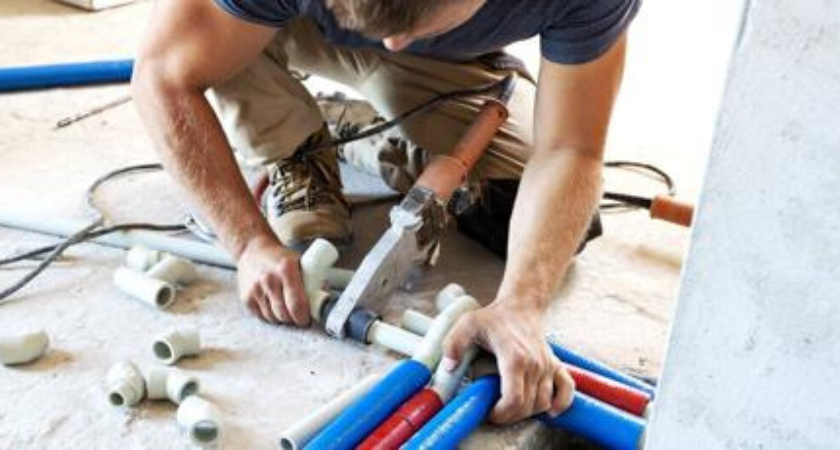
While many office-based professions face slowing growth or automation risks, plumbing remains a foundational trade tied to essential infrastructure. Plumbers are needed for new construction, renovations, maintenance, and emergency repairs, making the occupation less vulnerable to economic swings and technological disruption.
According to new analysis using data from the U.S. Bureau of Labor Statistics (BLS) and the Bureau of Economic Analysis (BEA), plumbing jobs are expected to grow about 50% faster than the overall U.S. labor market over the next decade. National employment for plumbers is projected to increase by 4.5% between 2024 and 2034, compared with 3.1% growth across all occupations.
Although this growth rate trails the broader construction sector, which is projected to expand by 5.2%, plumbing’s steadier pace reflects consistent demand rather than boom-and-bust cycles tied to specific industries. Unlike electricians, whose growth is being driven by data centers, electric vehicle infrastructure, and renewable energy projects, plumbers are relied upon across nearly every type of building and community.
Wages also remain a major draw. Nationwide, plumbers earn a median annual wage of $62,970, or roughly $30.27 per hour. That figure is about 8% higher than the median wage for all construction workers and nearly 27% above the median wage for all U.S. workers.
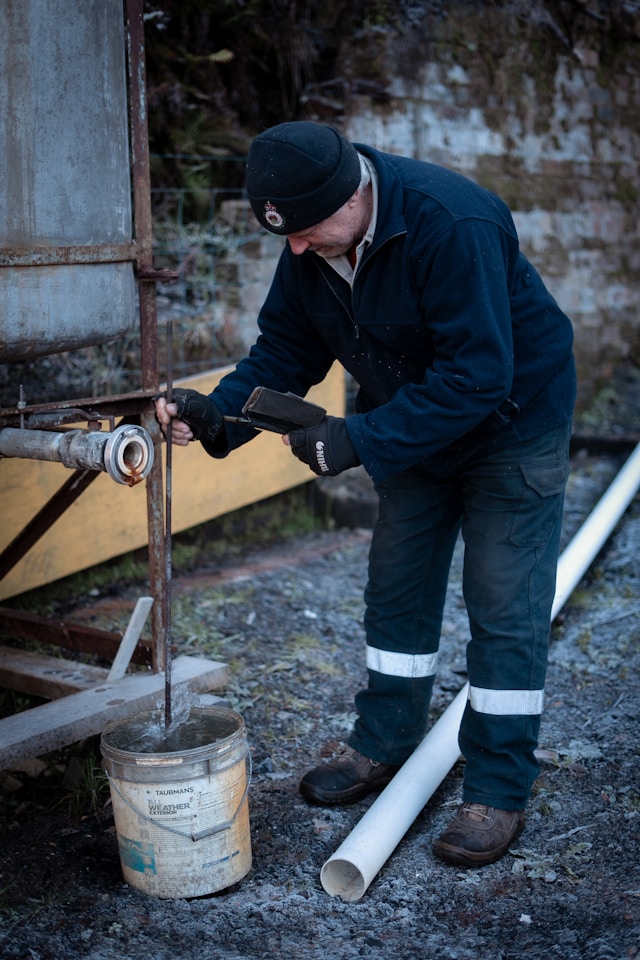
In Wyoming, plumbers perform even better after accounting for cost of living. The state’s adjusted median annual wage for plumbers stands at $67,673, compared with an actual median wage of $61,480. Wyoming’s relatively low cost of living—about 9.2% below the national average—helps boost real earnings, while the state’s plumber workforce is 39% more concentrated than the national average.
Compared with other skilled trades, plumbers also rank near the top in pay. They earn slightly more than electricians and significantly more than carpenters, roofers, and painters. Importantly, plumbing offers a pathway to strong earnings without the need for a four-year college degree. Many plumbers enter the field through trade schools or apprenticeship programs that combine paid, hands-on training with classroom instruction.
Regional wage differences remain pronounced nationwide. After adjusting for cost of living, Illinois ranks as the highest-paying state for plumbers at $97,314 annually, while Florida ranks last at $48,854. Midwestern and Western states tend to offer higher real wages, often due to stronger union representation, labor shortages, and moderate living costs. Southern states, by contrast, generally report lower adjusted wages but may still offer consistent employment opportunities due to population growth and construction activity.
At the metro level, plumbers in cities such as Rochester, Minnesota; Madison, Wisconsin; and Kennewick-Richland, Washington, earn more than $100,000 annually after adjusting for cost of living—highlighting how location can dramatically impact real income.
Overall, the data underscores plumbing’s role as a stable, well-paying career at a time when many industries are facing uncertainty. For Wyoming workers seeking dependable employment without student debt, plumbing continues to stand out as one of the most resilient options in the skilled trades.
Originally reported by Wyoming News Now.