Disagreements over changes in project scope remain the primary driver of construction disputes across the Americas, but the region continues to outperform global peers when it comes to controlling costs and schedules, according to HKA’s 8th Annual CRUX Insight report.
The London-based construction risk mitigation consultancy found that while scope-related disputes persist, projects in North America and Latin America are generally staying closer to original timelines and budgets than projects elsewhere in the world. At the same time, the report highlights a growing concern around workmanship-related claims, which now account for a larger share of disputes in the Americas than the global average.
According to the CRUX data, change-in-scope issues impacted 25.7% of disputed projects in the Americas, significantly lower than the 38.8% reported globally. Design errors also occurred less frequently in the region, affecting 18.3% of disputes compared with 21.7% worldwide. Despite those improvements, scope changes still represent the single most common source of conflict, affecting more than one in four distressed projects completed since 2020.
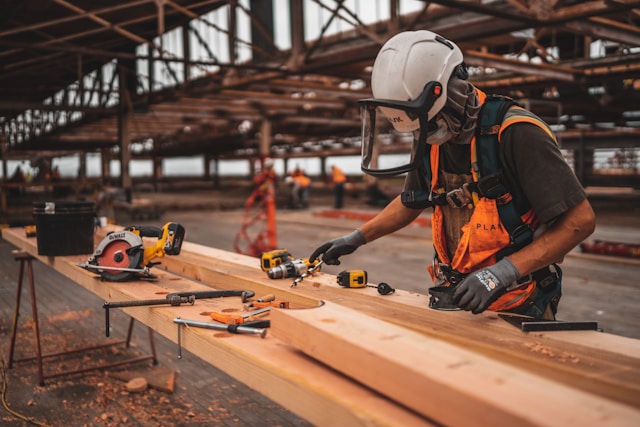
HKA also found that workmanship deficiencies are emerging as a more pronounced challenge. Across the Americas, 20.5% of disputes stemmed from workmanship issues, compared to 16.1% globally. The problem was slightly more pronounced in the U.S. and Canada, where workmanship-related disputes affected 20.6% and 21.4% of projects, respectively.
Still, the broader trend points to evolving risk dynamics rather than a simple deterioration in project performance. Kimberly Reome, a quantum and forensic accounting expert at HKA, said the data reflects deeper shifts in how disputes are developing across the industry.
“We’re seeing a clear shift,” Reome said. “Disputes of certain types have been trending down since 2020. Traditional triggers like scope and design issues are less frequent, but financial pressures are gaining ground.”
Those financial pressures are becoming increasingly visible. While the Americas posted stronger outcomes than global averages, payment and cash-flow disputes are rising across projects of all sizes, driven in part by inflation, tighter credit conditions and lingering supply chain constraints.
“We’re seeing payment disputes rise fast,” Reome said. “Those financial pressures can trigger delays and cost overruns that ultimately lead to disputes.”

Despite these challenges, projects in the Americas continue to show better cost and schedule performance than the global norm. The average extension-of-time claim in the region reached 57.5% of the original schedule, compared with 69.6% globally. Cost overruns averaged 31.1% of original budgets, below the global figure of 34.7%.
The report analyzed disputes from 2,204 projects across 114 countries, including 703 projects in 20 countries throughout the Americas. The average capital expenditure for those regional projects was $639 million, offering insight into dispute trends across large, complex builds.
Notably, outcomes improved on projects scheduled to complete in 2020 or later. Claimed schedule extensions dropped from 60.2% on pre-2020 projects to 44.2%, while claimed cost overruns remained relatively modest at 26.8%. HKA cautioned, however, that some newer projects are still underway and disputes may emerge later in the project lifecycle.
The report also points to external forces that could reshape dispute trends moving forward. Although the CRUX data predates the most recent U.S. tariff developments, Reome said recent history provides a clear warning.
“External shocks are dispute accelerators,” she said. “COVID, geopolitical conflict and commodity price spikes all hit projects hard. Tariffs and trade policies can have similar effects if contracts aren’t structured to deal with volatility.”
Looking ahead, Reome identified several emerging risk areas that could influence future disputes, including technology adoption, labor shortages and regulatory changes.
“AI is a game changer, but it has risks,” she said. “Collaborative contracting models require real cultural change. Skill shortages may become more acute. And emerging regulations, whether environmental standards or payment laws, are going to put pressure on projects.”
Ultimately, Reome said the industry’s ability to adapt early will determine whether dispute volumes continue to decline.
“That’s the best path to reducing disputes going forward,” she said.
Originally reported by Keith Loria in Construction Dive.