SALT LAKE CITY (KUTV) — Utah lawmakers have introduced new legislation aimed at increasing the construction of starter homes, as the state continues to face mounting housing demand and affordability pressures.

House Bill 184, formally titled Local Land Use Revisions, would allow residential homes to be built on smaller lots than many local zoning codes currently permit. Supporters say the measure is designed to give builders more flexibility while helping cities accommodate growth without expanding into new land.
In addition to adjusting minimum lot-size standards, the bill revises the process cities must follow when developers request permission to build homes on smaller parcels. Under House Bill 184, once a request is submitted, local governments would have 30 days to respond. If no action is taken within that window, the request would be considered automatically approved.
Backers of the bill argue that the timeline is intended to reduce delays and uncertainty in the development process, particularly for projects focused on entry-level housing.
State officials estimate Utah will need to build approximately 250,000 new starter homes by 2030 in order to keep pace with population growth and housing demand. Lawmakers say House Bill 184 is one part of a broader effort to create more opportunities for affordable homeownership, especially for first-time buyers who have been priced out of traditional single-family housing.
Starter homes typically include smaller single-family houses, townhomes, cottages, and other compact housing types designed to reduce overall land and construction costs.
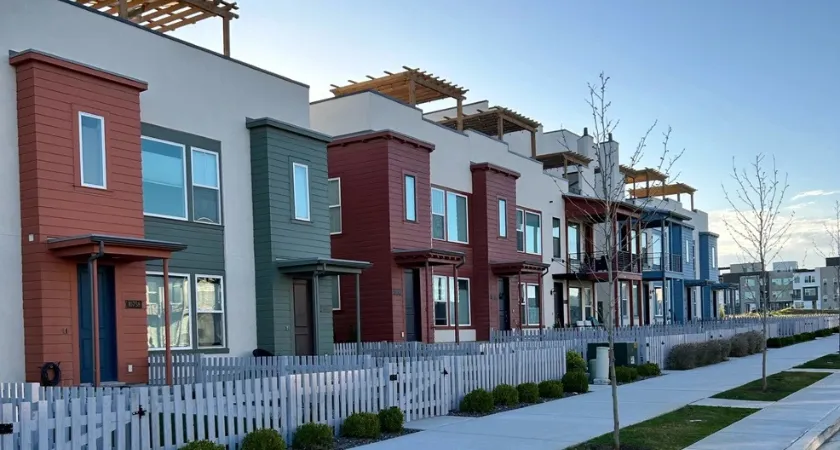
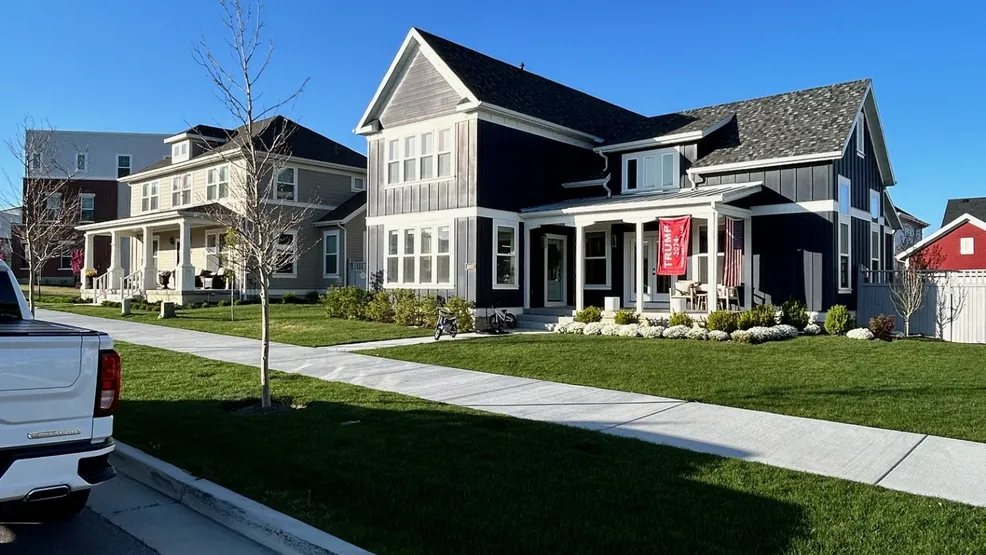
Recent visits by local officials to mixed-density developments, including neighborhoods that combine single-family homes, townhomes, paired homes, and condominiums within the same block, have highlighted how smaller-lot housing can fit into existing communities while preserving neighborhood character.
House Bill 184 was introduced last week, and lawmakers are now waiting to see which legislative committee will be assigned to review the proposal. If approved, the bill could reshape how Utah cities approach zoning and land-use decisions tied to entry-level housing.
As the measure moves forward, it is expected to draw attention from developers, local governments, and residents alike, as Utah continues to balance growth, affordability, and local control in its housing policies.
Originally reported by Kristen McPeek, KUTV in KUTV.