CLAYTON, Mo. — Washington University in St. Louis is pressing ahead with plans to build two new student dormitories on its South 40 campus in Clayton, a project that would add housing for roughly 600 undergraduate students despite broader changes in the construction environment.

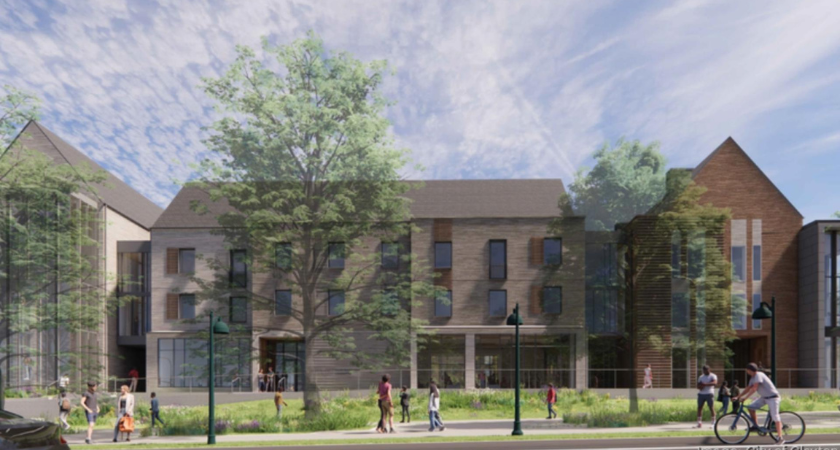
According to zoning requests filed with the city of Clayton, the university intends to construct two residential buildings at 6500 Forsyth Blvd. Each structure would accommodate approximately 300 students and is designed primarily as four-story buildings, with some portions rising to five stories.
The new housing would be dedicated to freshmen and sophomores, with apartment-style units included for resident assistants. The expansion reflects Washington University’s ongoing effort to modernize and expand on-campus housing as it manages enrollment and evolving student needs.
.jpg)
Washington University enrolls about 16,000 students and controls approximately 169 acres across two campuses in Clayton and the city of St. Louis, in addition to its 164-acre Medical Campus in the Central West End. The South 40 Campus, named for its 40-acre footprint, already includes 10 residential dormitories and serves as the primary housing hub for underclassmen.
The proposed dormitory project comes at a time when universities nationwide are reassessing construction timelines and costs amid labor shortages, inflation and material price volatility. Despite those challenges, the filing indicates Washington University is maintaining its long-term housing strategy to support student life and campus density.
If approved, the project would add a significant residential presence along the Forsyth Boulevard corridor and reinforce Clayton’s role as a key part of the university’s footprint. City officials will review the zoning requests as part of the local approval process before construction can proceed.
The dormitory expansion underscores Washington University’s continued investment in student housing infrastructure, even as higher education institutions nationwide balance growth, affordability and campus development priorities.
Originally reported by Gloria Lloyd (St. Louis Business Journal) in KSDK.