Construction infrastructure played an important role in Canada's Second World War mobilization, supporting military training, aircraft maintenance, healthcare and overseas operations. The London & District Construction Association is recognizing the contributions of builders, skilled tradespeople and military engineers whose work helped sustain the wartime effort, highlighting the connection between the construction industry and Southwestern Ontario's military history.
The remembrance includes facilities developed around London and Aylmer, as well as the contributions of construction professionals and military engineers who served overseas.
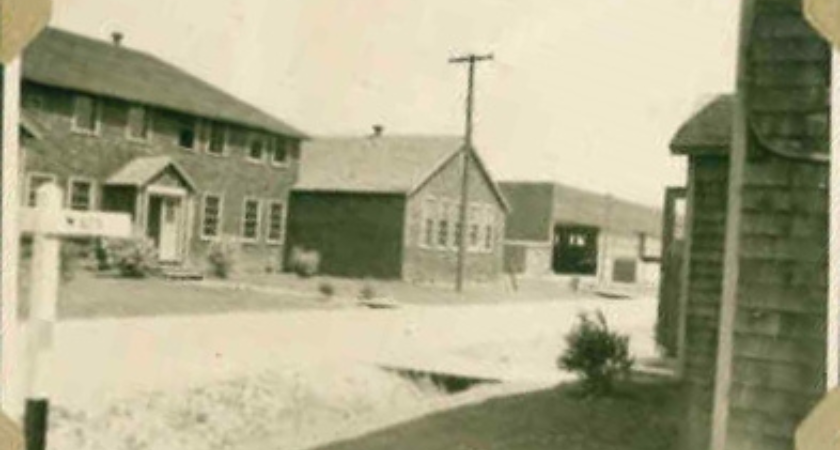
Construction at the present London Airport site began in November 1939 with the development of RCAF Station Crumlin. The facility became part of the British Commonwealth Air Training Plan, supporting the preparation of Allied aircrew during the war.
The site also supported aircraft overhaul and maintenance operations. The London aircraft plant was established to overhaul Royal Air Force aircraft, with the Central Aircraft complex incorporating a main plant, test-flight and tear-down hangars, maintenance facilities and a powerhouse.
Further construction took place at Aylmer, where the federal government acquired 500 acres in late 1940 for No. 14 Service Flying Training School. Its infrastructure included approximately 50 buildings, five double hangars and three double runways.
Operations began in July 1941, and the school graduated 4,144 pilots by the end of the war.
Healthcare infrastructure also expanded to support wartime requirements. Victoria Hospital opened a north-side addition in May 1941, while Westminster Hospital expanded its facilities to accommodate sick and injured personnel from nearby military training camps.
The wartime construction effort also involved families and professionals from the London building industry. The Hayman family, associated with the construction business John Hayman and Sons, provides one example.
H. Robert "Bob" Hayman's family relocated from London to New Brunswick during the war, where his father supervised military construction projects. Bob later joined the family business and eventually became its president.
Overseas, members of the Royal Canadian Engineers undertook construction and engineering operations that supported Allied military movements. Their responsibilities included building river crossings, clearing obstacles and establishing routes for advancing troops.
During Operation BERLIN on September 25-26, 1944, Canadian and British engineers used small boats to evacuate approximately 2,500 Allied airborne troops following the fighting at Arnhem in the Netherlands.
The Canadian 23rd Field Company conducted approximately 150 stormboat crossings under difficult conditions involving darkness, poor weather and enemy fire. Seven members of the company were killed and 14 were wounded.
Among those involved was Lieutenant John Bruce Cronyn, who commanded No. 1 Platoon in the 23rd Field Company during the evacuation. Cronyn later became a business and community leader in London, including serving as president of the London Chamber of Commerce.
Another member of the unit, London-born Lieutenant William Harold Baird, was killed on January 13, 1945, during a minefield-breaching operation in the Netherlands while attached to a British Royal Engineers unit.
The LDCA's Remembrance Day recognition highlights the contribution of construction workers and military engineers alongside the broader history of Canadians who served during the Second World War.
The wartime facilities in London and Aylmer demonstrate how construction supported military training, aircraft servicing and healthcare operations. Overseas, engineering work helped troops cross rivers, navigate obstacles and move through dangerous areas.
For Southwestern Ontario's construction industry, these historical contributions form part of the region's industrial and community heritage. The remembrance also recognizes the sacrifices of military personnel, the families affected by the war and the skilled workers whose efforts supported Canada's wartime infrastructure.
Source: LDCA.