Bridge construction projects involving extensive marine work require precise positioning, durable materials and coordinated equipment operations. The use of automated systems and advanced reinforcement materials on North Carolina's Alligator River Bridge project demonstrates how these technologies can support large-scale transportation infrastructure delivery.
Skanska is incorporating GPS-guided pile placement, autonomous rebar tying and corrosion-resistant reinforcement into the project, which is being delivered as part of the North Carolina Department of Transportation's (NCDOT) $450 million bridge replacement program.
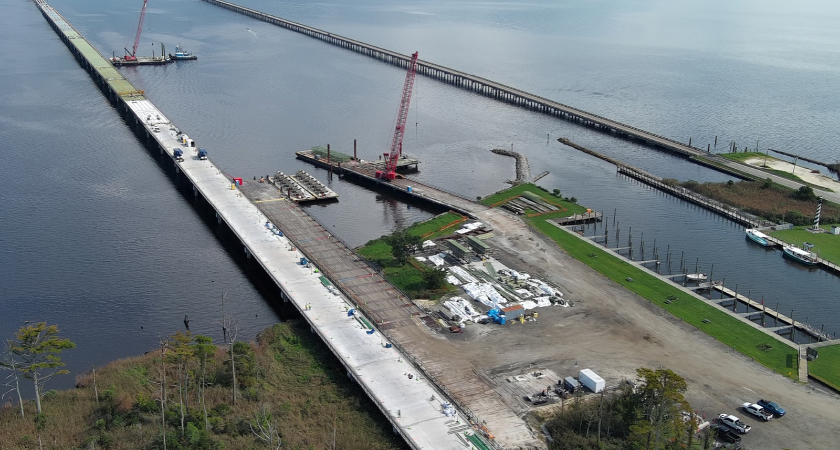
The new structure will replace the existing US 64 crossing, which connects mainland North Carolina with the Outer Banks. Construction was reported to be more than halfway complete as of Nov. 11, 2026.
The bridge extends more than three miles across the Alligator River, requiring construction crews to perform extensive foundation work from marine barges.
Skanska is using GPS machine-control positioning technology from Leica Geosystems to guide pile installation. The system provides real-time positioning information through tablets mounted on construction rigs, allowing operators to align barges and position piles at the required locations and angles.
The technology also enables project teams to track pile positions without relying on repeated surveyor trips between barges and other work locations.
The approach contributed to completing the pile-driving operation in 12 months, nine months earlier than the originally planned 21-month schedule.
The bridge deck construction incorporates glass fiber-reinforced polymer (GFRP) rebar, a corrosion-resistant alternative to conventional steel reinforcement.
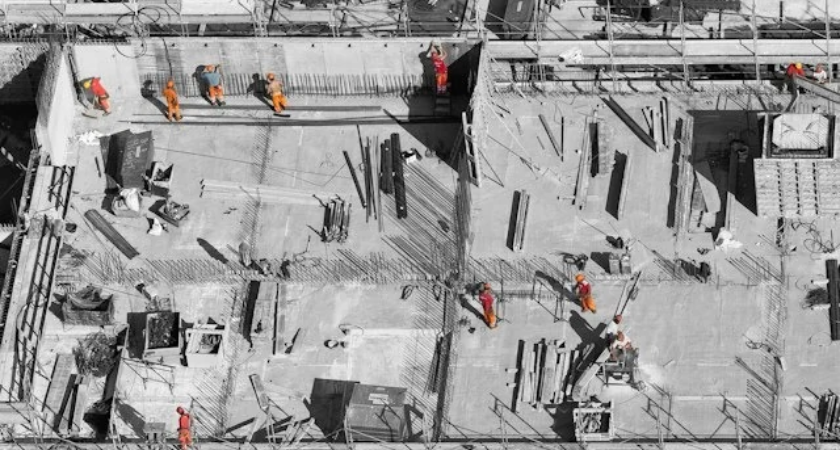
Skanska is also deploying TyBOT, an autonomous rebar-tying robot designed to handle repetitive reinforcement connections. The equipment can complete up to 1,100 ties per hour, reducing the amount of manual tying required from ironworkers.
The system allows craft workers to concentrate on more complex reinforcement activities while limiting repetitive bending and kneeling tasks associated with conventional rebar installation.
Combining GFRP reinforcement with automated tying introduces both material and equipment innovations into the bridge's construction process. The technologies address different aspects of the work, including reinforcement durability, labor efficiency and worker safety.
The Alligator River Bridge project illustrates how digital positioning systems, robotic equipment and alternative reinforcement materials can be incorporated into complex transportation infrastructure work.
For bridge owners and contractors, GPS-guided installation offers a way to improve positioning accuracy during marine foundation operations. Automated rebar tying can also reduce repetitive manual tasks on large deck installations.
The project's experience provides construction teams with practical information about applying these technologies across major infrastructure projects, particularly where marine access, extensive reinforcement work and demanding construction schedules create operational challenges.
Source: Skanska.