
The construction industry talks frequently about sustainability. Green building certifications, LEED standards, and carbon reduction targets fill industry conferences and marketing materials. Yet the events where construction professionals gather to discuss these topics often generate substantial waste themselves. Acumatica Summit 2026 in Seattle is taking a different approach.
The cloud ERP provider has earned MeetGreen’s “Visionary” rating for three consecutive years, the highest tier awarded by the sustainable event management agency. At Summit 2026, running January 25-28 at the Seattle Convention Center, Acumatica aims to divert 98% of event waste from landfills. For an event expecting more than 3,000 attendees, this commitment goes beyond environmental marketing. It’s an operational framework that construction companies can apply to their own projects and practices.
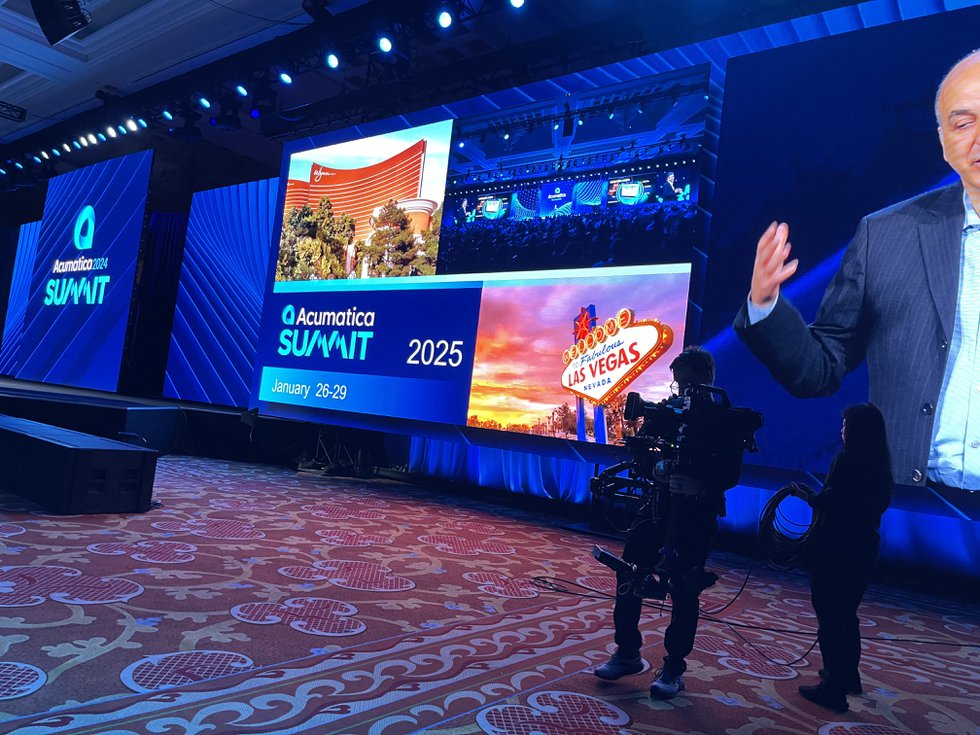
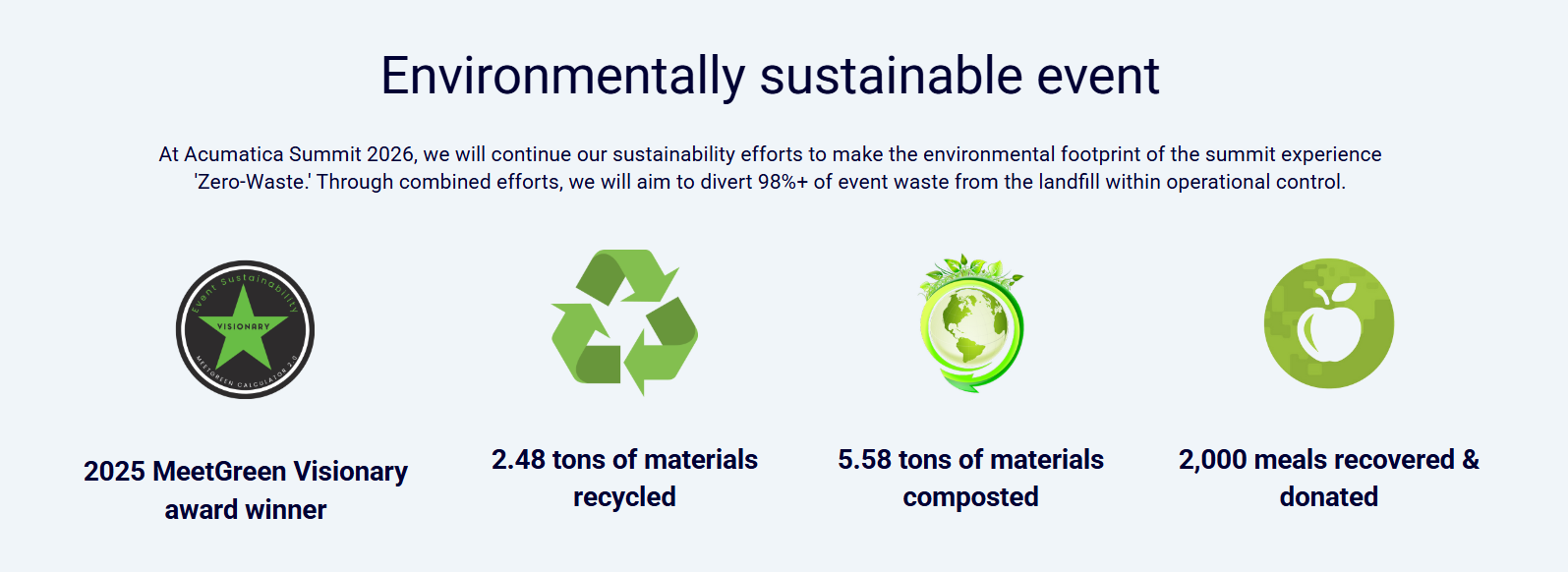
Acumatica Summit 2025 in Las Vegas generated measurable environmental impact through a systematic waste management program. The event diverted 2.48 tons of materials to recycling and 5.58 tons to composting. Food recovery programs rescued 2,000 meals for donation to local organizations. Since 2021, the conference has eliminated 88,596 plastic water bottles. Laid end to end, that’s enough bottles to stretch more than 10 miles.
The results reflect deliberate design choices rather than incidental benefits. Water stations throughout the venue eliminated single-use plastic bottles, preventing an estimated 15,438 bottles from waste in 2024 alone. Reusable serviceware at all core meals prevented over 2,880 kilograms of waste and 55.8 metric tons of carbon dioxide equivalent. These numbers add up quickly at scale. Since 2021, reusable serviceware has kept more than 15,470 kilograms of waste from landfills, equivalent to the weight of a metro bus.
Carmen Douglass, managing director at MeetGreen, noted that Acumatica continues to improve its event sustainability practices, meeting the highest standards for sustainable event management. The “Visionary” designation goes to organizations that prioritize environmental measurement, develop innovative sustainability initiatives, and use their purchasing power to drive positive change with vendors and venues.
Construction industry events face unique sustainability challenges. Trade shows feature heavy equipment demonstrations, material samples, and booth construction, which generate significant waste. Annual conferences bring thousands of attendees who expect printed materials, branded giveaways, and catered meals. The logistics of moving people and materials to a central location create substantial carbon footprints.
Acumatica’s approach offers a template for all construction related events. The company owns, rents, and stores for reuse 100% of Summit assets, furniture, and decor. This eliminates waste from building temporary booth structures that are discarded after each event. At Summit 2025, 99% of build and asset materials were rented or reused, while 80% of signage was either recycled or saved for future events.
For construction companies hosting client events, project milestones, or safety training sessions, similar principles apply. Instead of disposable materials for each event, invest in durable items that serve multiple purposes. Digital signage replaces printed banners, which become obsolete after a single use. Reusable name badges with replaceable inserts eliminate the need for disposable credentials at recurring events.
The financial case strengthens over time. While initial investment in reusable materials costs more than disposable alternatives, the cost per use decreases with each event. A construction firm hosting quarterly safety meetings can amortize the cost of reusable materials across multiple years, ultimately spending less than the cumulative cost of disposable items while generating less waste.
The connection between event sustainability and construction operations runs deeper than a simple analogy. Construction accounts for approximately 40% of global carbon dioxide emissions from energy and industry. In California alone, nearly 60% of the state’s waste comes from commercial buildings during construction.
Construction companies increasingly face regulatory pressure to reduce environmental impact. New York City’s Local Law 97, Boston’s BERDO 2.0, and Washington D.C.'s Building Energy Performance Standards set baseline emissions caps with escalating penalty schedules. These regulations move sustainability from a voluntary initiative to a business requirement.
The parallels to event management are clear. Just as Acumatica measures and reduces waste at Summit, construction firms need systems to track material use, waste generation, and project environmental impact. The operational discipline required to achieve zero-waste status at a 3,000-person conference directly translates into the disciplines needed for sustainable construction operations.
Acumatica’s sustainability success reflects the same digital systems the company provides to customers. Cloud-based ERP systems have a lower environmental footprint than legacy on-premises solutions. In 2024, Acumatica transitioned thousands of customers to cloud solutions, with each migration reducing energy consumption and eliminating hardware waste.
For construction companies, similar technology transformations drive sustainability. Digital project management eliminates paper-based processes. Cloud-based collaboration tools reduce travel requirements. Real-time data visibility helps identify waste before it occurs. A project manager who can instantly see material quantities delivered versus quantities used can spot discrepancies that indicate waste or theft, addressing issues while they’re still correctable.
The construction technology stack increasingly includes sustainability measurement tools. Building Information Modeling (BIM) software helps calculate embodied carbon in materials before purchase decisions are finalized. Material tracking systems provide chain-of-custody documentation for recycled content verification. Energy modeling tools predict operational performance before construction begins, allowing design modifications that improve efficiency.
Acumatica’s Summit demonstrates how technology organizations put the principles they promote into practice. The company’s Climate Label certification recognizes organizations that actively measure and reduce greenhouse gas emissions across operations and events. This certification requires ongoing measurement and verification, not just aspirational goals.
Achieving zero-waste status requires systematic planning across multiple operational areas. Acumatica’s approach breaks down into actionable components that construction companies can adapt.
Material Management: The company accounts for general contractor move-in and move-out waste disposal, ensuring waste generated by setup and teardown gets measured and minimized. Construction projects can apply the same principle by tracking waste generated during mobilization and demobilization phases, not just active construction.
Specialized Recycling: Acumatica uses TerraCycle Zero Waste boxes to collect hard-to-recycle event materials, such as badges and lanyards. Construction sites face similar challenges with specialized waste streams. Personal protective equipment, packaging materials, and construction consumables often can’t go into standard recycling bins and instead require dedicated recycling programs.
Local Labor and Services: Summit prioritizes local labor for move-in and move-out activities, reducing transportation-related emissions. Construction companies can make similar choices by sourcing materials locally when possible and using regional subcontractors, simultaneously supporting local economies while reducing carbon footprints.
Digital Documentation: Digital wayfinding and informational signs replace printed materials. Any necessary signage is printed locally to reduce transportation costs. Construction projects generate substantial documentation requirements for permits, inspections, and closeout. Digital systems for these processes eliminate printing while improving access and searchability.
Food Recovery: Donating unused event food prevents waste while supporting communities. Construction companies hosting client events or providing meals for workers can partner with local food banks for similar programs. Many organizations will collect prepared food that meets basic safety standards, converting potential waste into community benefit.
Acumatica purchases verified carbon offset credits for 100% of attendee travel. At Summit 2025, the company achieved a 16% reduction in emissions per person per day compared to the previous year, driven by reduced beef consumption, continued booth and asset reuse, and significant cuts in non-recyclable signage. The plastic-free hydration initiative prevented approximately 20,000 bottles at Summit 2025 alone, saving about 7,400 kilograms of carbon dioxide equivalent.
Carbon offsets remain controversial in sustainability circles. Critics argue they allow organizations to continue carbon-intensive activities without making fundamental changes. Supporters note that offsets fund renewable energy, reforestation, and emission reduction projects that wouldn’t otherwise receive investment.
For construction companies, the carbon offset debate reflects broader questions about sustainability strategy. Is it better to invest in operational changes that reduce emissions directly, or to offset unavoidable emissions through external projects? The answer likely involves both approaches. Direct emission reductions should take priority, with offsets covering emissions that can’t be eliminated with current technology or reasonable cost.
Construction projects increasingly face carbon accounting requirements. Owners request embodied carbon calculations. Lenders require climate risk assessments. Regulators mandate emissions reporting. The measurement and verification systems needed for carbon offsetting develop the same capabilities required for regulatory compliance and client reporting.
Acumatica’s sustainability commitment extends beyond Summit. The company holds EcoVadis Silver Medal recognition for 2022, 2023, and 2024, placing it in the top 15% of industry competitors for sustainability performance. This consistent recognition reflects year-round practices, not just event-specific initiatives.
Todd Wells, Acumatica’s CMO, connected the sustainability work to broader operational excellence: Operational excellence includes environmental responsibility. For construction companies, this framing matters. Sustainability isn’t separate from core business operations. It’s integrated into how companies plan projects, procure materials, manage waste, and measure performance.
The construction industry faces significant sustainability pressures and opportunities in 2026. Many experts describe this year as the time when the industry enters the “proof phase,” where success gets measured by results rather than intent. Organizations that can document measurable reductions in operational and embodied carbon will be better positioned with lenders, tenants, and regulators.
This shift from aspiration to accountability mirrors Acumatica’s approach to Summit sustainability. The company doesn’t simply claim environmental responsibility. It measures waste diversion rates, tracks carbon emissions, and reports results through third-party verification. Construction companies need similar systems to demonstrate sustainability performance to stakeholders.

Summit 2026’s move to Seattle provides opportunities to enhance environmental performance. The Seattle Convention Center features sustainability infrastructure, including natural lighting that reduces energy consumption and waste management systems that facilitate recycling and composting. The facility’s design incorporates environmental considerations from the ground up.
Seattle’s position as a technology hub and environmental leader creates a supportive ecosystem for sustainable events. The city’s infrastructure includes robust public transportation, extensive recycling programs, and strong local support for environmental initiatives. These factors reduce the environmental impact of bringing 3,000 attendees to a central location.
For construction companies, location matters for sustainability performance. Building in jurisdictions with established green building programs, robust recycling infrastructure, and environmental requirements often proves easier than working in areas where such systems don’t exist. Site selection decisions affect environmental outcomes just as venue selection affects event sustainability.
The principles driving Acumatica’s zero-waste ambitions apply directly to construction operations. Every project generates waste through material packaging, construction processes, and demolition activities. The construction industry has made progress on waste reduction, but significant opportunities remain.
Standard building practices use and waste millions of tons of materials annually. Green building approaches use fewer resources and minimize waste. LEED projects have diverted more than 80 million tons of waste from landfills, with expectations to reach 540 million tons by 2030. These numbers demonstrate both the scale of the problem and the potential for improvement.
The key lies in measurement and accountability. Acumatica tracks waste generated at Summit down to specific categories—materials recycled, materials composted, meals recovered. Construction companies need similar granularity. Tracking waste by type, source, and destination reveals opportunities for improvement. A project generating excessive packaging waste might benefit from working with suppliers who use returnable containers. One that produces significant wood waste might identify opportunities for prefabrication that reduces on-site cutting.
Digital tools enable this tracking without adding administrative burden. Cloud-based waste management platforms let project teams photograph and categorize waste in real time, building data sets that inform future projects. Just as Acumatica uses each Summit to improve the next one, construction companies can use project data to refine processes and reduce waste over time.
Sustainability initiatives carry costs, but they also generate savings. Acumatica’s investment in reusable materials reduces per-event costs over time. The company’s cloud infrastructure reduces operational expenses while improving environmental performance. These financial benefits matter as much as environmental ones for business sustainability.
Construction companies experience similar economics. Building green typically costs between 1% and 12% more than conventional construction, but these costs decrease as the industry gains experience. Nearly half of dedicated green builders report that added costs are 10% or less. The long-term savings from reduced operating costs, lower maintenance requirements, and increased property values often exceed the initial premium.
Financing increasingly aligns with sustainability expectations, and investor benchmarks are being redesigned to reward documented performance. Companies that demonstrate measurable environmental improvements gain advantages in capital markets, client relationships, and regulatory compliance.
For construction owners and operators, these dynamics create business imperatives for sustainability. A company that can document waste reduction, emission reductions, and resource-efficiency gains gains a competitive advantage in bidding, financing, and client relationships. The measurement and verification systems needed to achieve these benefits mirror those Acumatica uses for Summit.
Acumatica Summit 2026 demonstrates that large-scale events can achieve ambitious sustainability goals through systematic planning and consistent execution. The construction industry faces similar challenges at different scales. Every project site is essentially a temporary event that generates waste, consumes resources, and impacts the environment.
The transition from current practices to zero-waste operations won’t happen overnight. It requires investment in new systems, team training, and leadership commitment. But the path is clear. Measure current performance. Identify improvement opportunities. Implement changes systematically. Verify results. Repeat.
Construction companies attending Summit 2026 will experience zero-waste event operations firsthand. They’ll see water stations instead of plastic bottles, reusable serviceware instead of disposables, and digital signage instead of printed materials. These aren’t novel concepts, but seeing them implemented successfully at scale provides proof of concept.
The question for construction leaders isn’t whether sustainability matters—regulatory requirements and market demands make that clear. The question is how quickly companies can develop the operational capabilities needed to measure, report, and improve environmental performance. Acumatica’s Summit provides a working example of those capabilities in action.
As Todd Wells noted, operational excellence and environmental responsibility go together. Construction companies that embrace this connection will be better positioned for the business environment ahead. The industry’s sustainability transformation is underway. Events like Summit 2026 demonstrate what’s possible when organizations commit to measurement, transparency, and continuous improvement in environmental performance.
Register for Acumatica Summit 2026 at summit.acumatica.com to see zero-waste event operations in action and learn how digital systems enable sustainable business practices.