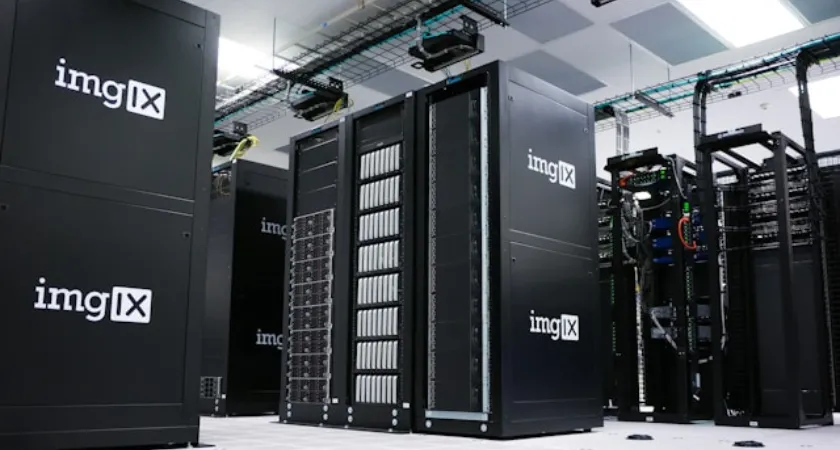
Schneider Electric is experiencing strong growth as rising demand from the rapidly expanding data center sector continues to fuel its business performance. The global energy management and automation company reported solid financial results for 2025, supported by strong orders tied to artificial intelligence infrastructure, electrification trends, and increased demand for efficient building technologies.
.webp)
According to the company’s full-year financial results, Schneider Electric recorded 8.9% organic revenue growth in 2025, with North America emerging as its strongest market, growing 15% year-over-year.
A major contributor to Schneider Electric’s performance is the surge in global demand for data centers, particularly those supporting artificial intelligence and high-performance computing. The company’s data center and network infrastructure segment now represents about 30% of Schneider’s total end-market exposure, making it the single largest growth driver across the organization.
“We are advancing energy [technology] to the next level with our unique portfolio in electrification, automation and digital, driving energy and industrial intelligence in all our markets,” CEO Olivier Blum said in a statement. “We enter this cycle confident in sustained growth.”
Schneider Electric expects the data center and networks sector to expand by more than 10% annually through 2030, fueled by growing computing demand, next-generation infrastructure requirements and an industry-wide push for energy efficiency.
The company provides a wide range of services throughout the data center lifecycle, including electrical infrastructure, cooling systems and digital management tools that help operators improve performance and reliability.
Another emerging trend benefiting the company is the industry’s shift toward 800-volt direct-current electrical architectures, which allow data centers to deliver higher power loads while improving efficiency.
Beyond data centers, Schneider Electric also reported strong results from its Energy Management division, which includes technologies used in commercial buildings and IT systems. The segment recorded 10% organic revenue growth in 2025, significantly outperforming the company’s industrial automation business.
Schneider Electric expects its building technology segment to grow 4% to 5% annually through 2030, supported by increasing demand for energy-efficient buildings and smart facility management systems.
One of the company’s key solutions is EcoStruxure, a software-driven platform that helps building owners optimize energy use, reduce emissions and improve operational performance. The company says its EcoStruxure Building Activate platform uses artificial intelligence to help small and midsize buildings reduce energy consumption while improving comfort and operational efficiency.
Schneider Electric’s data center orders accelerated toward the end of 2025, and executives expect the trend to continue through 2026 as new projects begin construction.
To support growing demand, Schneider Electric is also expanding its manufacturing footprint in North America. The company is building a new facility in Tennessee that will produce custom power distribution equipment designed for advanced energy infrastructure projects, including data centers.
Additionally, Schneider recently acquired a controlling stake in Motivair, a company specializing in high-performance cooling technologies used in high-density computing environments. The acquisition strengthens Schneider’s ability to deliver complete cooling solutions for next-generation data centers.
.webp)
Sustainability remains central to Schneider Electric’s long-term growth strategy. The company recently announced a new five-year sustainability initiative aimed at improving both its own operations and those of its customers.
As part of the plan, Schneider Electric aims to electrify or help save 1,500 terawatt-hours of energy use between 2026 and 2030. The company also intends to help customers avoid 1.5 billion tons of carbon dioxide emissions between 2018 and 2030.
These initiatives reflect the growing demand for technologies that reduce environmental impact while improving energy efficiency across industries.
With continued expansion in data centers, electrification technologies and digital energy management systems, Schneider Electric appears well positioned to benefit from long-term global infrastructure and sustainability trends.
Originally reported by Brian Martucci in Construction Dive.