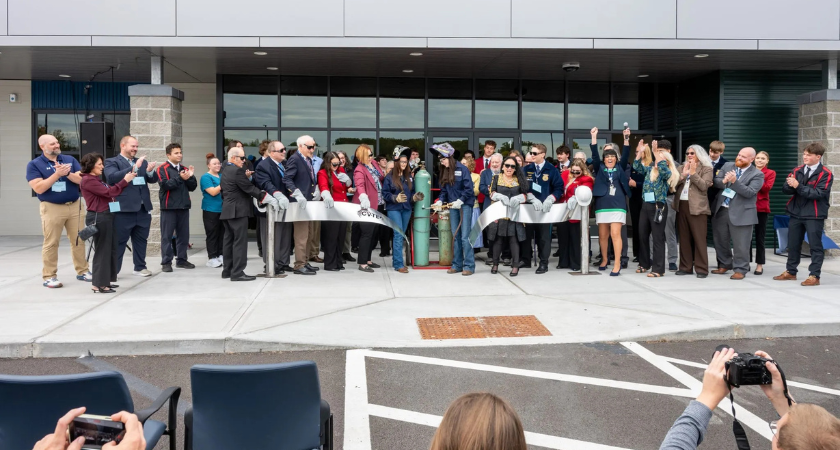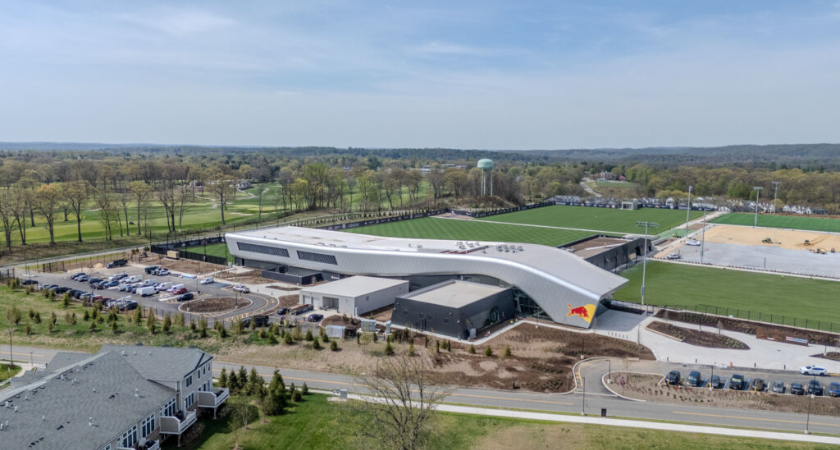
A newly completed sports and training campus in New Jersey is drawing attention ahead of the 2026 FIFA World Cup after Brazil selected the Red Bull New York facility as its official training base during the tournament.
The 80-acre complex in Morristown represents a high-profile example of how construction firms are managing accelerated schedules and complex coordination demands tied to global sporting events. For developers and contractors, the project highlights the increasing importance of preconstruction planning, supply-chain management and integrated project delivery in sports infrastructure development.
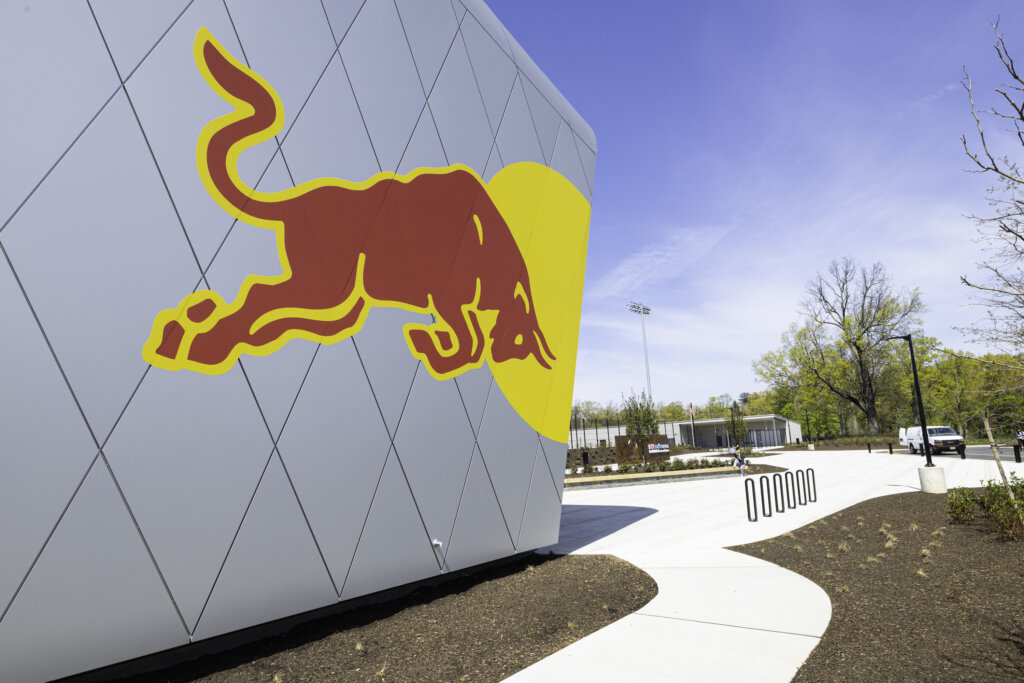
March Construction, which acted as the project’s general contractor, worked alongside architecture firm Gensler and project stakeholders to deliver the facility before international teams arrived for tournament preparation activities. The campus includes professional-grade training fields, recovery and conditioning areas, athlete support spaces and associated infrastructure designed to meet elite competition standards.
Project teams reportedly used overlapping construction sequencing to keep the development on schedule. Field systems, site infrastructure and building construction progressed simultaneously, allowing crews to compress timelines while maintaining operational quality requirements.
The delivery strategy also emphasized early procurement of long-lead materials, an approach that has become increasingly common as contractors continue navigating volatile material pricing and global supply-chain uncertainty. Construction leaders involved in the project identified procurement planning as a critical factor in protecting both schedule and budget targets.
The facility incorporates energy-efficient systems, including a variable refrigerant flow HVAC system intended to improve operational efficiency and provide zone-based climate control throughout the campus buildings. Sustainable mechanical systems and advanced building technologies are becoming more common in modern sports facilities as owners seek long-term operating savings alongside athlete performance optimization.
For construction owners and developers, the project demonstrates how sports infrastructure is increasingly being evaluated not only on design quality, but also on delivery certainty. High-profile international events leave little room for schedule delays, placing additional pressure on construction managers to coordinate trades, maintain procurement visibility and minimize disruptions during execution.
The project also underscores growing demand for specialized athletic and performance facilities across North America as the United States, Canada and Mexico prepare to host the 2026 FIFA World Cup. Training centers, transportation upgrades, hospitality developments and entertainment districts tied to the tournament are expected to generate significant construction activity leading up to the event.
Contractors working in the sports and entertainment sector are increasingly relying on collaborative delivery models that bring owners, designers and trade partners into the planning process earlier. Industry analysts note that early-stage coordination can help reduce change orders, manage escalation risks and improve delivery timelines for projects with fixed operational deadlines.
The Red Bull New York training campus reflects a broader trend in which sports organizations and municipalities are investing in multi-use athletic infrastructure that can support professional competition while also creating long-term community and economic development value.
Large-scale sports projects tied to international events are intensifying demand for contractors capable of managing compressed schedules, early procurement strategies and multidisciplinary coordination. Owners pursuing similar developments may increasingly prioritize construction partners with strong preconstruction capabilities, subcontractor relationships and experience delivering high-visibility projects under strict operational deadlines.
Source: March Associates.