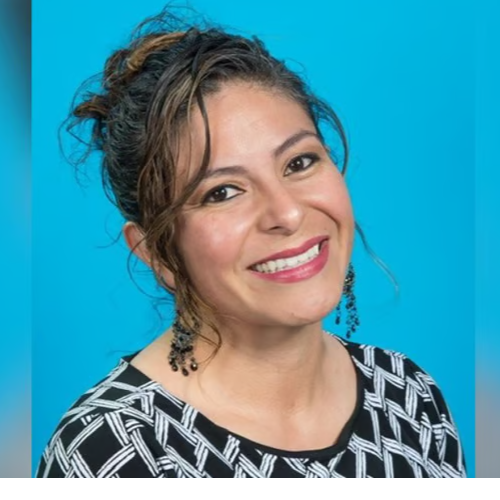
Sandra Ramos still remembers the moment her career direction became clear. Taking on one of New York’s largest privately funded mega projects in 2015 sparked what she calls “love at first bind,” a realization that working in construction insurance offered both technical depth and visible impact. Today, as SVP West Region leader for construction and infrastructure at NFP, she channels that early excitement into leadership, mentorship, and industry-wide transformation.

Ramos said the early experience “grounded her in the tangible impact of construction insurance,” strengthening her desire to challenge expectations and bring more representation into senior roles. As she worked her way up, Ramos became increasingly aware of the gaps in leadership diversity. “I noticed that there weren't many Latina women in senior executive roles. That fuelled me. My passion, not just for work, but for representation and breaking down barriers,” she said.
Ramos’ path wasn’t deterred by overt discrimination, but the challenges were unmistakable. Most boardrooms lacked women of her background, pushing her to learn faster and take on more responsibilities. “I had to learn the business and the professional side of construction,” she recalled. “It’s more of a passion to break that barrier versus a setback for me.”
Supportive employers, strong mentors, and women across the construction sector helped her advance. But in insurance specifically, senior female leadership remains sparse, motivating her to keep advocating for change.
Ramos now navigates an increasingly complex risk environment shaped by labor shortages, escalating materials costs, aging infrastructure, and ongoing modernization efforts across the West. For brokers, these pressures intersect with internal challenges: talent shortages, rapidly evolving technology, and a competitive insurance landscape.
She sees AI and automation as essential tools but acknowledges their disruption. “They require upskilling and culture shifts,” she explained. Once fully embraced, she believes tech will “absolutely help bridge gaps.”
Market conditions show signs of softening, yet volatility remains in high-hazard sectors like electrical and roofing. States such as California and New York continue to experience elevated rate increases and limited capacity for certain coverages. Social inflation and nuclear verdicts contribute heavily, but Ramos warned that another trend is raising claim severity: third-party litigation funding. “It’s fueling longer and costlier claims,” she noted, prompting carriers to increase reserves and retentions.
Climate-related risks are reshaping underwriting—from wildfire exclusions to stricter oversight on water, wind, and fire exposures. But Ramos sees opportunity in the rising adoption of jobsite technology. Sensor-based water detection systems and predictive platforms are helping contractors demonstrate strong risk control, making them more favorable to carriers.
Parametric insurance products are also beginning to gain traction, offering payouts based on objective triggers like snow loads and severe storm thresholds. “It’s being introduced,” Ramos said, emphasizing the cautious but growing interest in faster, data-driven coverage solutions.
Sustainability is increasingly influencing project financing and bid requirements. “Compliance is the biggest word,” she said. Lenders are demanding more, and contractors must align with evolving ESG standards.

Builders’ risk coverage remains stable overall, supported by improved underwriting tools for large projects. Controlled insurance programs are expanding as owners seek streamlined risk transfer. Meanwhile, subcontractor default insurance is gaining interest—but remains highly selective.
Professional liability has experienced one of the most dramatic shifts. Once a formality, it’s now a central business need. Ramos explained how NFP’s team, led by Rich Hartman, reviews client growth to ensure policies keep pace. “We look at their growth since they first bought their one million dollar policy. Now you've doubled in size, we need to look at a three million dollar policy.”
Modern building approaches—off-site manufacturing, modular production, and 3D printing—introduce new efficiencies but also new liabilities. Cyber risk, intellectual property exposure, and evolving standards are areas under intense carrier scrutiny.
For Ramos, her work now blends deep technical expertise with daily collaboration across NFP and its clients. “My role is something I enjoy very much. The day is full of conversations with different leaders,” she said.
Looking forward, Ramos believes the industry’s ability to thrive depends on its willingness to adopt new technologies, navigate legal complexities, and cultivate diverse leadership voices. The firms that succeed, she
Originally reported by Susan Essex in Insurancebusinessmag.