Wyoming lawmakers continued budget deliberations on Wednesday with testimony highlighting aging water infrastructure, rising construction and equipment costs, and growing pressure on water management agencies.
During day 13 of the Wyoming Legislature’s Joint Appropriations Committee (JAC) hearings on Jan. 7, multiple agencies outlined challenges tied to maintaining critical water systems amid higher construction costs and increasing legal and administrative demands.
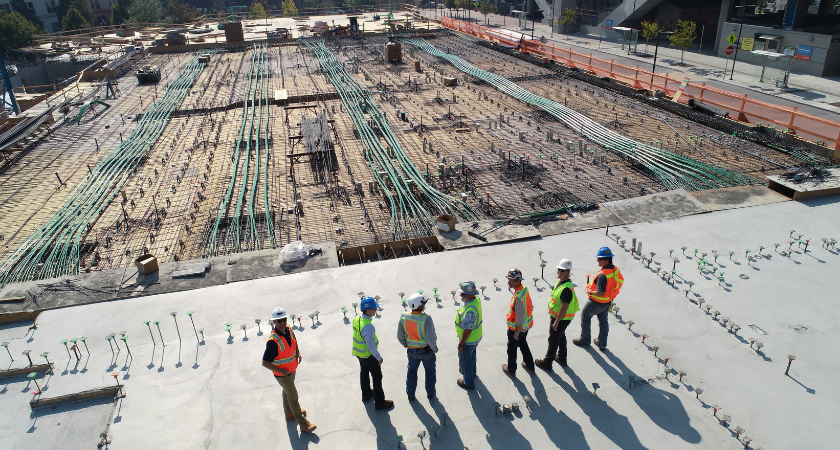
The Wyoming Water Development Office pointed to recent infrastructure failures — including last year’s LaPrele Dam breach and the collapse of the Fort Laramie Canal tunnel — as signs of the state’s aging irrigation and water delivery systems. In its budget materials, the office emphasized that the cost of construction projects has increased significantly, placing added strain on both state and local governments.
According to the agency, local governments are increasingly concerned about their ability to meet future water demand and water quality standards as systems continue to age. The office also noted ongoing challenges related to employee retention, which complicates long-term planning and project oversight.
Despite those pressures, the Water Development Office is not requesting additional funding, known as “exception requests,” for the 2027–2028 budget cycle.
Lawmakers also heard from the state engineer’s office, which said staff members are spending more time addressing Wyoming’s water rights compacts and related legal matters. The agency’s budget book noted that Wyoming is facing legal pressure from states in the lower Colorado River Basin, as well as from the federal government, to negotiate and comply with water-sharing agreements.
Beyond Colorado River concerns, the office warned that ongoing disputes could ripple into other river systems. Its budget book stated, “Current litigation between Nebraska and Colorado on the South Platte River” is expected to “increase strain on the North Platte River.”
To help manage the workload tied to Colorado River negotiations, the state engineer’s office is requesting nearly $500,000 from the interim JAC to fund two new full-time positions.
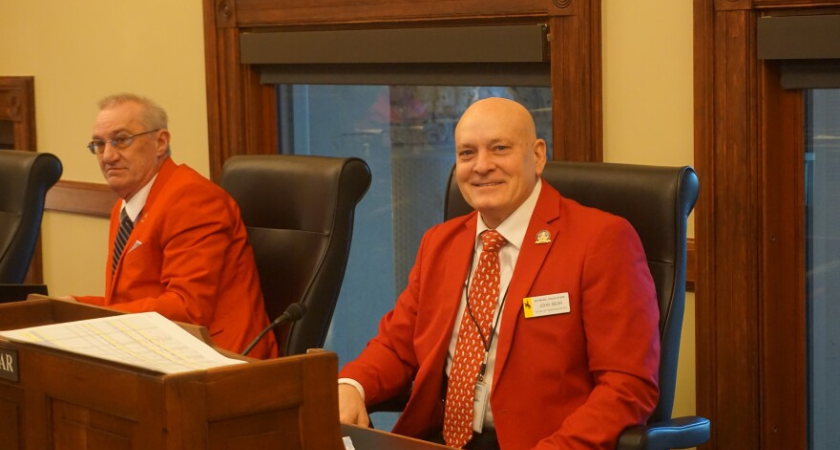
Earlier budget discussions this week also touched on tensions between lawmakers and the judiciary. According to a WyoFile report published Jan. 8, members of the JAC met behind closed doors on Jan. 6 to discuss a “possible action … toward the judiciary in the budget,” Rep. John Bear (R-Gillette) said at the time.
Following that meeting, the committee considered a proposal to reduce the number of Wyoming Supreme Court justices from five to three, WyoFile reported. The discussion came in response to a recent state Supreme Court ruling that protected access to procedural and medication abortion in Wyoming. Lawmakers ultimately took no formal action on the proposal.
Judicial oversight has been a recurring topic for legislators. Last summer, members of the interim Joint Judiciary Committee narrowly rejected a draft bill that would have required Senate confirmation for Supreme Court justices. While the House side voted 6–3 in favor of the proposal, the Senate side voted 3–2 against it, preventing the measure from advancing to the 2026 legislative budget session.
The ongoing budget hearings underscore how infrastructure needs, rising construction costs, and legal obligations related to water management are increasingly shaping Wyoming’s fiscal priorities as lawmakers prepare for the next biennium.
Originally reported by Chris Clements in Wyoming Public Radio.