California’s expanding building electrification strategy is beginning to reshape the retrofit and multifamily construction market as state agencies increase investment in energy-efficient housing upgrades across underserved communities.
The California Energy Commission recently marked the completion of the first Southern California project under the state’s Equitable Building Decarbonization Program, a publicly funded initiative designed to modernize residential buildings with electric technologies and efficiency improvements.
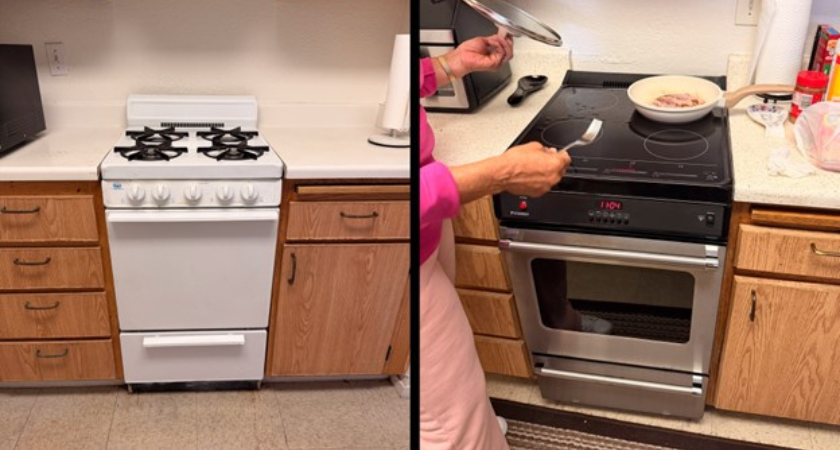
The completed project involved upgrades at a low-income senior housing community in San Diego, where older appliances and systems were replaced with newer electric equipment intended to improve indoor air quality, energy performance and resident safety. Improvements included the installation of induction cooktops and heat pump water heaters.
The program is funded through California’s Cap-and-Invest Program and administered in Southern California by Los Angeles County. State officials said the initiative focuses on replacing outdated appliances and reducing pollution exposure in communities facing economic and environmental challenges.
The broader initiative spans single-family homes, manufactured housing and multifamily residential properties, creating long-term demand for contractors specializing in retrofits, electrical upgrades, HVAC modernization and energy-efficiency construction.
For construction firms, the program reflects the increasing role of public funding in accelerating building electrification projects. Contractors working in affordable housing, public infrastructure and residential rehabilitation may see additional opportunities as states expand climate-related building policies and energy transition programs.
The effort also signals continued momentum behind electrification mandates and stricter building performance standards across California. The state has increasingly tied climate policy to housing modernization, particularly in lower-income communities where aging infrastructure and inefficient appliances remain common.
Industry analysts have noted that retrofit construction is becoming one of the fastest-growing segments of the building market as governments push to reduce emissions from existing structures. Unlike new construction, retrofit programs often require specialized coordination involving electricians, mechanical contractors, energy consultants and public agencies.
California officials said the Equitable Building Decarbonization Program is expanding into additional regions statewide. Central California projects are being administered through the Center for Sustainable Energy, while Northern California projects are overseen by the Association for Energy Affordability.
Eligibility for the program is based on factors including household income, building age, appliance fuel type and property location. Priority is being given to communities with elevated pollution levels and increased climate vulnerability across Southern California counties including Los Angeles, Riverside, San Bernardino, Orange, San Diego and Imperial.
The state continues to position energy efficiency as a core component of its long-term construction and climate strategy. California’s updated 2025 Building Code is projected to generate billions of dollars in energy savings over the coming decades while encouraging broader adoption of efficient building technologies.
For construction owners and developers, California’s expanding electrification programs signal a growing shift toward retrofit-driven project pipelines and stricter energy-performance expectations for existing buildings.
Owners of multifamily housing, senior living communities and affordable housing properties may face increasing pressure to modernize aging systems while also pursuing funding opportunities tied to decarbonization initiatives. Contractors with expertise in electrification, HVAC replacement, electrical infrastructure upgrades and occupied-building retrofits could see rising demand as similar programs expand nationwide.
The initiative also underscores the importance of workforce readiness. As building codes evolve and electrification standards tighten, owners may need to secure trade partners experienced in heat pump technology, electric appliance installation and energy-efficiency compliance to remain competitive in future public and private sector projects.
Source: California Energy Commission.