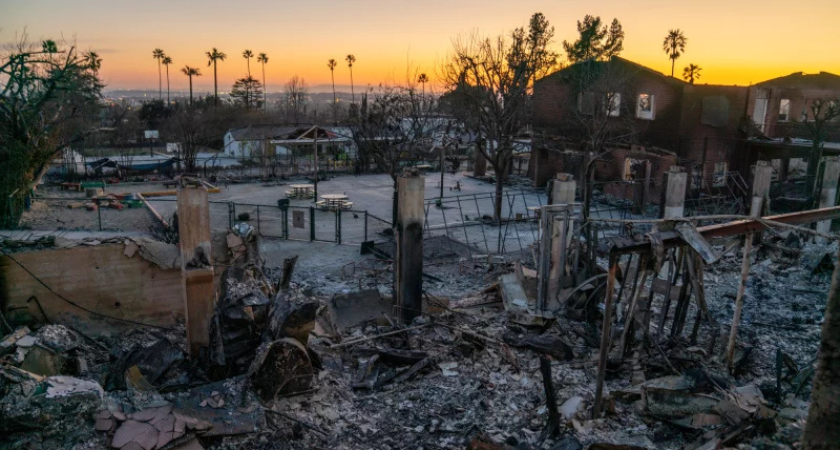
Nine months after a wildfire destroyed Mark Johnson's Southern California home, he was still waiting for State Farm to process his claim. Desperate to rebuild, Johnson asked the insurer in October to negotiate a settlement.
.webp)
"I was on the verge of leaving money on the table," Johnson recalls, "just to get some kind of assurance of what we could move forward with."
Shortly before Thanksgiving, a State Farm representative told him the money was finally on its way. "Needless to say, it was a huge relief," Johnson says, fighting back tears.
Johnson’s experience reflects a broader struggle across Los Angeles and other wildfire-affected communities. Many homeowners faced long delays in receiving payments, exacerbated by complaints to county regulators about underpaid or denied claims.
"Around February or March, I realized that whether a family was recovering or not depended largely on which insurance company they were with, which was shocking," said Joy Chen, executive director of the Eaton Fire Survivors Network. "These are all people who have been paying [their] insurance premiums faithfully for 20 or 30 years, but only some of them were getting the benefits."
The Eaton and Palisades fires destroyed over 16,000 structures in Los Angeles, resulting in $40 billion in insured losses—the most expensive fires ever globally, according to the Swiss Re Institute. For survivors, the process of rebuilding has been complicated by disputes over coverage, especially when homes were contaminated with lead or other toxins from the fires.
"With total loss, it's a very clear-cut, 'OK, we either rebuild or we sell,'" said Krista Copelan, whose Altadena home suffered smoke damage and lead contamination. "And we do not have any paths to take. It's 100% trying to figure it out, fighting every step of the way, having no clear-cut answers."
Andrew Wessels faced similar challenges. Until about Thanksgiving, State Farm resisted replacing his family’s personal belongings contaminated by lead, insisting the items could be cleaned instead. "We're here almost a year later, and we haven't taken one step forward," Wessels said.
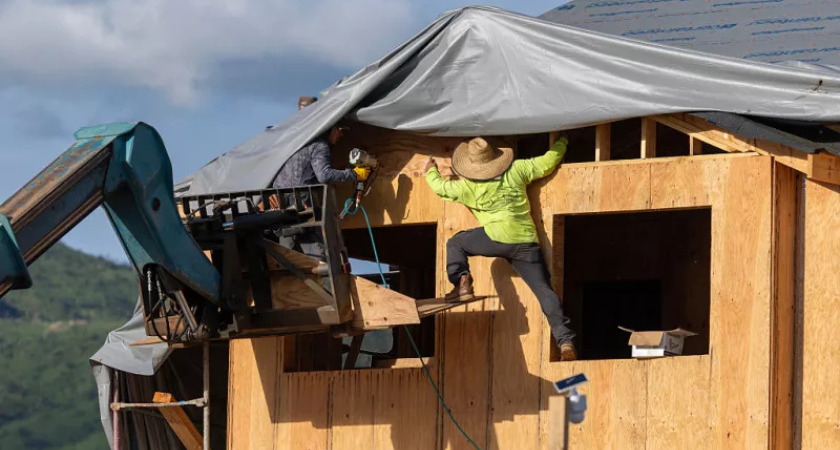
Many survivors have faced repeated moves, accumulating debt while navigating insurance disputes. In Altadena, 65% of residents are still in temporary housing, while in Pacific Palisades, nearly three-quarters remain displaced.
"I think everyone has been overwhelmed and drained for, literally, the past 11 months," Copelan said in December.
The challenges in Los Angeles are part of a national pattern. In Oklahoma, State Farm faces allegations of underpaying policyholders for storm-related roof damage. In Texas, Rep. Mihaela Plesa reported routine denial of claims for homeowners struggling with premiums.
"That's not insurance, that's extraction," Plesa said. "That's a system designed to pull maximum dollars out of Texas pockets while providing minimum protection when disaster strikes."
Rising disaster costs, fueled in part by climate change, have forced insurers to increase premiums and limit coverage in high-risk areas. Robert Gordon, senior vice president at the American Property Casualty Insurance Association, notes that inflation and increased disaster intensity are driving higher costs.
"Florida and other states have also faced cases of alleged insurance 'fraud' for storm damage, which has contributed to rising costs," Gordon said.
California regulators are drafting rules to limit or clear vegetation within five feet of homes to reduce fire risk. At the federal level, lawmakers are examining ways to balance consumer protection with the realities of rising disaster claims and insurance costs.
Mark Johnson hopes to move back into his Altadena home by fall, but remains wary. "They're just trying to push you away," he said. "They're trying to make it difficult for you so that you won't ask for much, so you'll be happy with whatever you get."
Originally reported by Michael Copley in NPR.