Union construction workers have begun picketing Port KC, alleging that wage loopholes and weak labor standards on tax-incentivized developments are undercutting local tradespeople.
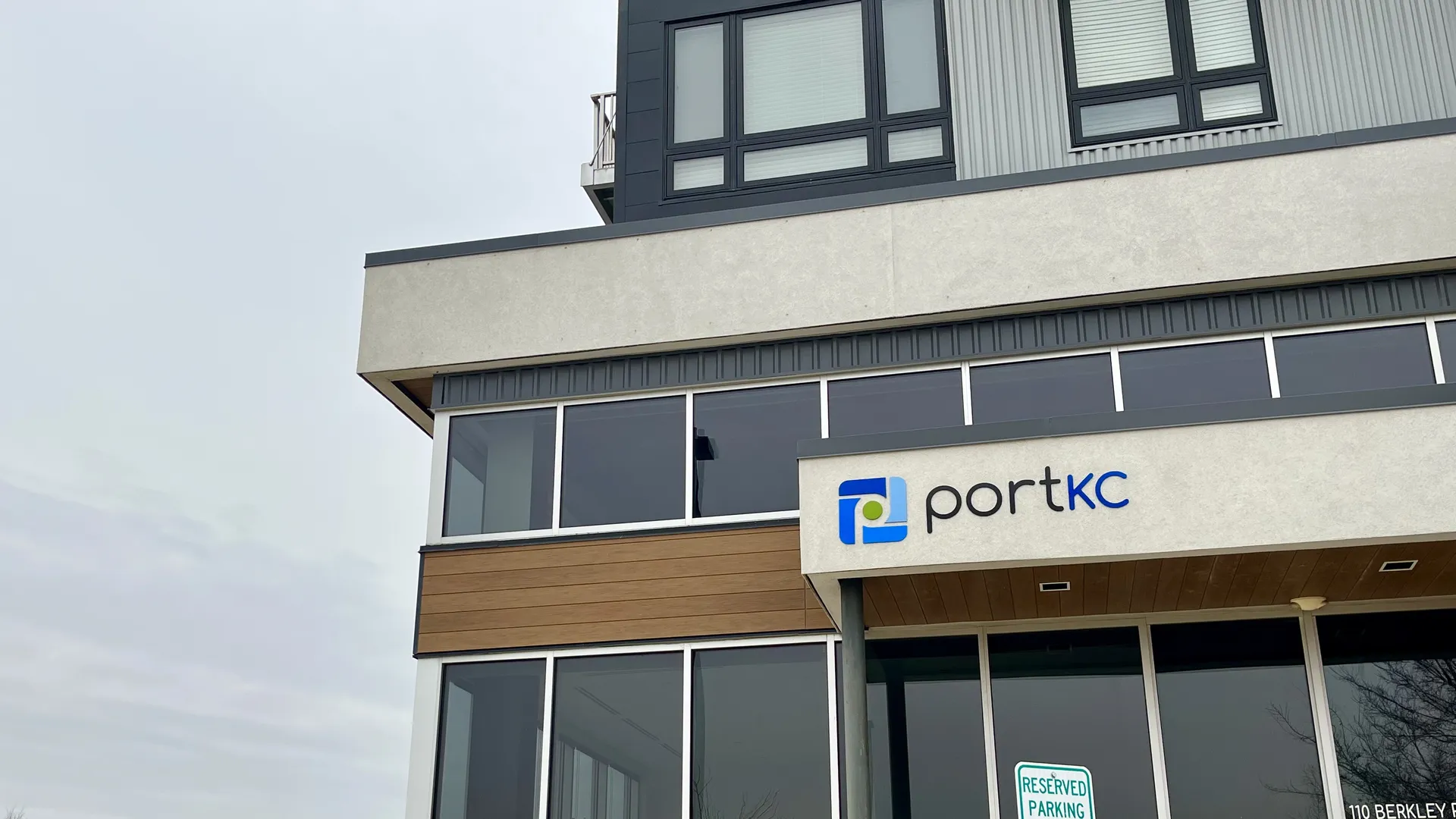
Members of the Greater KC Building & Construction Trades started demonstrating Feb. 11 outside Port KC’s offices and at active construction sites, including The Refinery at 18th and Main. Union leaders argue that certain development structures allow companies to bypass prevailing wage expectations and apprenticeship standards.
The labor dispute highlights Port KC’s central role in shaping some of Kansas City’s most significant projects, including large-scale riverfront developments, logistics hubs and billion-dollar data centers.
Union leaders contend that developers receiving Port KC tax incentives are paying lower wages and hiring out-of-town labor instead of utilizing local, union-trained workers enrolled in certified apprenticeship programs.
According to union officials, projects that are sold to Port KC, financed through bonds and then repaid via leases may avoid certain state regulatory requirements that typically apply to public works projects.
Port KC staff recently recommended phasing in wage requirements for industrial, logistics and data projects exceeding $25 million. However, union leaders argue the proposal does not go far enough.
Mike Talboy, political director for the union coalition, says the recommendation excludes multifamily, mixed-use and hotel developments — sectors where unions say labor standards are equally critical.
Behind the scenes, union leaders say they began discussing a campaign last August but paused after Port KC officials signaled they would pursue a prevailing wage resolution and apprenticeship standards.
A September resolution directed staff to draft new labor policies, according to Port KC spokesperson Patrick Pierce. Yet five months later, commissioners have not formally adopted updated rules.
Port KC President and CEO Jon Stephens told local media the agency supports the proposed standards but has not yet advanced them for approval.
Meanwhile, several construction companies have submitted letters opposing new wage or apprenticeship requirements. They argue such rules could raise construction costs by as much as 20% and slow economic development at a time when Kansas City is competing for large-scale investment.
Mike Amash, the union’s attorney, told Axios that discussions have led to some progress but warned that if momentum stalls again, “there is the ability to escalate into other types of pressure campaigns” at job sites throughout the city.
Port KC is working to schedule a meeting with union leaders ahead of its March 24 board meeting.
The dispute underscores a larger debate unfolding in cities nationwide: how to balance aggressive economic development incentives with workforce protections and local hiring priorities.
.webp)
Port KC plays a pivotal role in structuring development deals, particularly those involving tax abatements and bond financing. Changes to its wage and apprenticeship policies could influence how future projects are negotiated — and determine whether union labor standards become a condition of public support.
For organized labor, the issue is not just about wages but also about long-term workforce sustainability. Union leaders argue that apprenticeship pipelines ensure safety, quality construction and career mobility for local residents.
For developers, the concern centers on financial feasibility. In a competitive market for industrial and data center investment, even marginal cost increases can affect site selection decisions.
As negotiations continue, the outcome may shape not only current riverfront and industrial projects but also the broader framework governing how Kansas City ties public incentives to labor standards moving forward.
Originally reported by Abbey Higginbotham,Travis Meier in Axios.
.png)


.png)