SACRAMENTO — California’s updated Energy Code officially took effect on Jan. 1, 2026, marking a significant step in the state’s push to build cleaner, healthier, and more energy-efficient homes and commercial buildings.
The 2025 update to the California Energy Code applies to new construction as well as major additions and renovations for single-family homes, multifamily housing, and nonresidential buildings. State officials say the changes will significantly lower long-term energy costs for consumers while reducing greenhouse gas emissions and improving indoor air quality.

According to the California Energy Commission (CEC), the updated standards are expected to save Californians an estimated $4.8 billion in energy costs over the next 30 years and reduce greenhouse gas emissions by roughly 4 million metric tons, an amount equivalent to the annual energy use of more than half a million homes.
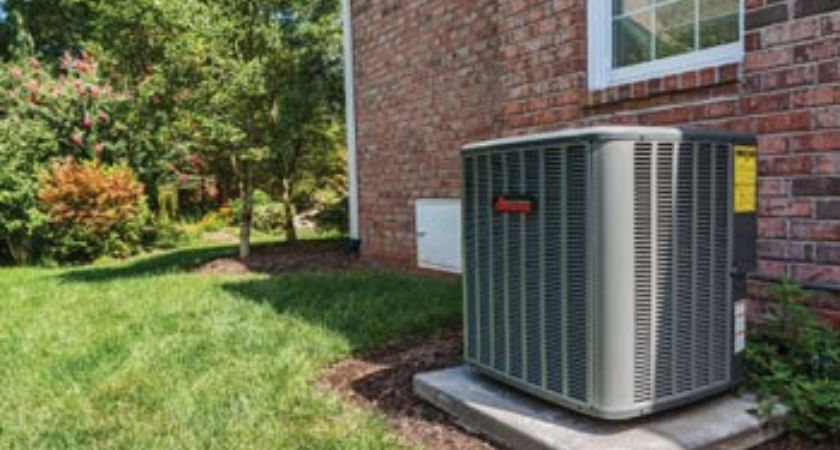
A central feature of the 2025 Energy Code is its emphasis on high-efficiency heat pumps for space heating, cooling, and water heating. Rather than mandating specific technologies, the code establishes energy-use “budgets” that encourage builders to adopt cleaner and more efficient systems.
The update also promotes strategies that shift energy use away from peak demand periods, helping ease strain on California’s electrical grid. These measures are especially important as buildings currently account for about 25% of the state’s total greenhouse gas emissions.
“Energy efficiency is the quiet workhorse of the clean energy transition. Efficiency reduces Californians’ bills, improves their health and comfort, and reduces strain on the electricity grid,” said CEC Commissioner Andrew McAllister. “When we build and upgrade homes to use less energy, California families save money, and communities get cleaner air and a more reliable electricity system.”
For single-family homes, the updated code encourages:
For multifamily buildings, the code:
For businesses and nonresidential buildings, the 2025 code:
State officials note that buildings constructed under California’s Energy Code are among the most efficient in the nation, with homeowners saving nearly half on energy bills compared with homes built to national standards.
Projects involving the repair or replacement of residential structures substantially damaged by the 2025 Los Angeles-area wildfires are temporarily exempt from certain solar and battery storage requirements under Executive Order N-29-25. These projects must still be solar-ready, according to the state.
“We are gratified that builders in California will be designing to the 2025 California Energy Code,” said CEC Building Standards Branch Manager Gypsy Achong. “Compliance with this update is the most affordable way to build a resilient and comfortable building for the future. This update does not mandate specific technologies or fuel types. We continued our long-standing tradition of figuring out what energy budget is pragmatically possible and then asking designers to meet that budget. We are delighted that this approach continues to affordably advance our state’s transition to 100% clean energy in buildings.”
Builders can also choose to exceed baseline requirements through CALGreen, the state’s voluntary green building code, which was updated alongside the 2025 Energy Code.
California continues to lead the nation in energy efficiency policy. In March 2025, the state ranked first nationwide in the American Council for an Energy-Efficient Economy’s State Energy Efficiency Scorecard—its seventh top ranking in 16 years.
Over the past five decades, California’s energy efficiency standards have saved residents more than $200 billion in energy costs, with total savings expected to reach $300 billion by 2030, according to the CEC.
State officials say the 2025 Energy Code builds on that legacy, ensuring homes and businesses are better prepared for climate change while delivering long-term economic and health benefits.
Originally reported by Gold Rush Cam.