ST. GEORGE, Utah — As Utah lawmakers look for ways to ease the state’s rising cost of living, one proposal gaining traction focuses on strengthening high-quality construction jobs — an industry already central to southern Utah’s economy.
Construction plays an outsized role in St. George, where hard hats and safety vests are a common sight. According to the U.S. Bureau of Labor Statistics, 13.6% of all local jobs in the metro area are tied to construction, the highest share among U.S. metro areas with populations under 350,000.
.webp)
For industry leaders like Todd Houghton, vice president and southwest director at Westland Construction, the focus on construction is personal as well as practical.
"I had a grandpa that was from the industry. I grew up working many of those trades and understanding it. I think one of the reasons I love and I'm more passionate about construction, really, is just the ability to be able to help people," said Todd Houghton, VP, Southwest Director, Westland Construction.
Houghton represents a third generation of contractors in the region, where construction remains one of the most dependable sources of employment. Research from Construction Coverage shows most workers in the St. George metro area are employed as general laborers, followed by carpenters and supervisors, with annual wages ranging from $47,000 to $62,000.
Boosting construction pay is emerging as one element of lawmakers’ broader cost-of-living strategy. Several bills introduced this session aim to support higher-quality jobs, including House Bill 245, which would establish a minimum wage contractors must pay their employees.
Supporters say the measure could lift incomes across the construction sector, but industry leaders warn implementation could be complex.
"When my grandpa and dad worked construction, it was raw and dirty—but smart," explained Houghton. "Now we infuse technology, business management, and organizational skills. We need qualified carpenters and qualified managers that actually understand it."
.webp)
One challenge, he said, is that construction budgets are often locked in years before projects begin.
"In construction, we oftentimes put together the finances on a project years in advance," he explained. "It turns out that all of a sudden, everybody needs to be making $5 or $10 more, which I think would be a really good thing.
"Can those budgets that guys like me put together for those owners, can we hold to the numbers that we put? Short answer is probably not."
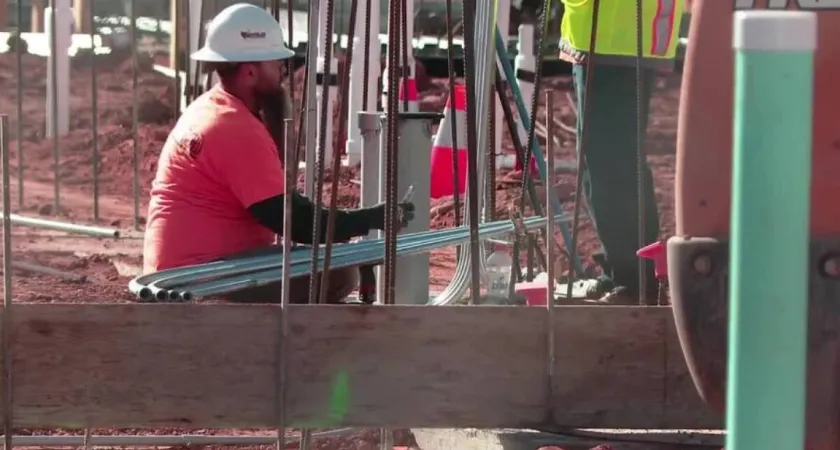
For workers like Josue Iglesias, a second-year apprentice with Southland Electrical, demand for skilled labor shows no signs of slowing.
"People think it's just screwing in a light bulb, but no, we're out here digging holes. We're out here laying pipe, you know, there's a lot more to it than that," Iglesias said.
With construction already dominating the local job market, lawmakers are betting that better pay, training, and long-term career paths could help families keep up with housing and living costs — while ensuring Utah has the skilled workforce needed for continued growth.
Originally reported by Chris Reed in Fox 13 News Now.