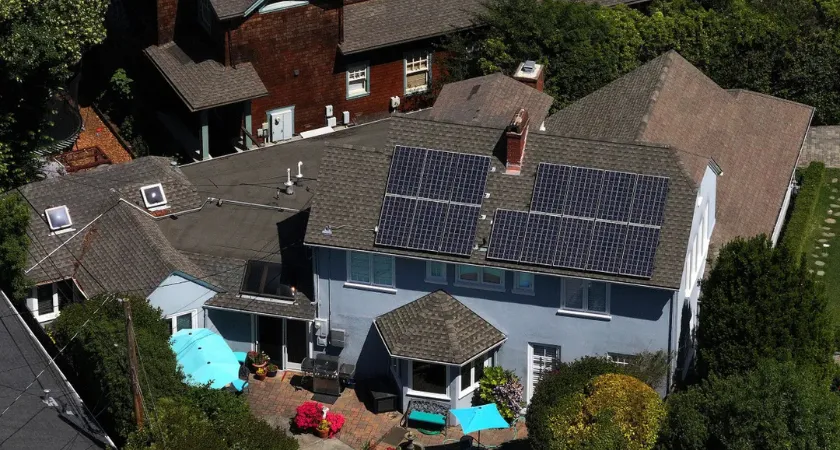
Cities across the United States could significantly reduce the cost of rooftop solar installations by simplifying permitting processes and modernizing local regulations, according to a new report released April 2.
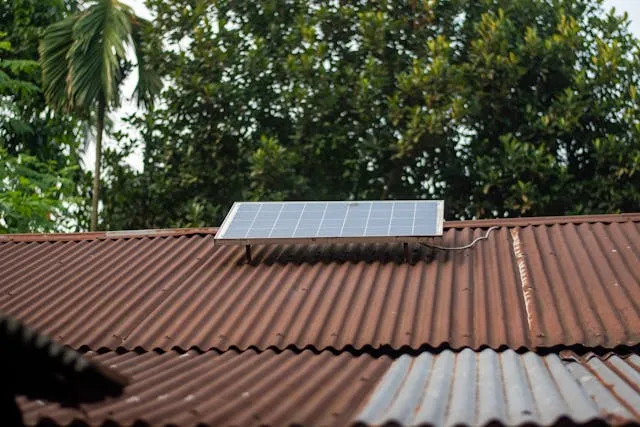
The study, conducted by the Environment America Research & Policy Center and Frontier Group, found that complex permitting, inconsistent inspections and local utility requirements can add up to $7,000 to the cost of installing residential solar systems. These barriers are limiting adoption, even as solar technology becomes more efficient and affordable.
Though residential solar systems can reduce electricity bills by more than 80%, high administrative costs continue to keep the technology out of reach for many homeowners.
“the savings of rooftop solar are out of reach for many because of costly red tape,” Nick Josefowitz, founder and chief executive of nonprofit advocacy group Permit Power, said in a statement.
The report highlights that city-level decisions play a critical role in determining whether rooftop solar projects move forward quickly or face costly delays. In many jurisdictions, installers encounter lengthy approval timelines, multiple inspections and unclear requirements.
As a result, solar companies are increasingly avoiding areas with slow or unpredictable permitting processes, according to survey data from the National Renewable Energy Laboratory.
Local governments control several of the key friction points, including permit review complexity, inspection scheduling and interconnection rules with utilities. These factors directly influence project timelines and overall costs.
To address these challenges, the report outlines several strategies cities can adopt to streamline solar adoption. These include allowing automated or instant permitting for standard systems, reducing projects to a single inspection or enabling remote inspections, and standardizing building codes to align with state guidelines.
Additional recommendations include lowering or eliminating permitting fees, removing homeowners association restrictions from project reviews and expanding access through third-party ownership models.
The Solar Permitting Scorecard included in the report graded states based on how effectively their policies support rooftop solar deployment. California and Texas received Bs, while New Jersey and Colorado earned Cs. All other states received Ds or Fs, indicating significant room for improvement.
Some states have already begun implementing reforms. California and New Jersey have passed legislation requiring local governments to offer instant permits for certain residential solar and battery systems, helping to reduce both time and cost burdens.

“This report makes it clear: cutting solar permitting red tape is a low-cost way to help families lower their electricity bills,” New Jersey Sen. John McKeon and State Assemblyman Robert Karabinchak said in a joint statement. “Through unanimous bipartisan legislative action, New Jersey passed practical reforms that save time and money for homeowners, installers, and local governments. This is one of the most immediate, low-cost steps states can take to deliver real ratepayer relief while strengthening the grid.”
California lawmakers also emphasized the importance of continuing to modernize permitting systems to keep pace with demand.
“This scorecard highlights that too many states are still stuck in slow, outdated processes that raise costs for families,” California State Sen. Scott Wiener said in a statement. “California is leading on implementation, and we should continue to expand modern permitting and inspection practices so homeowners can cut their bills and strengthen reliability.”
As cities look to meet climate goals and improve energy resilience, the report suggests that simplifying local processes may be one of the fastest and most cost-effective ways to expand solar adoption nationwide.
Originally reported by Robyn Griggs Lawrence, Editor in Smartcities Dive.