DENVER — Colorado Governor Jared Polis and state lawmakers unveiled three bills on Wednesday aimed at accelerating the construction of affordable housing across the state, continuing years of efforts to address the growing housing deficit. The proposals build on past legislation and introduce new financial incentives to help local governments and developers expand housing options.
The bills reflect a broader push by Democratic lawmakers and housing advocacy groups to reform land-use policies, especially along the Front Range, to make it easier to build housing and control rising costs. Traditionally, local governments have overseen zoning and housing decisions, but growing housing shortages prompted state lawmakers to take a more active role, sometimes facing resistance in the courts.
.webp)
Rep. Andy Boesenecker, a Fort Collins Democrat, highlighted the urgency of the measures.
“The state demographer estimated that Colorado’s housing shortfall is over 100,000 units. To put it in perspective, that means we have to build 34,000 homes every year just to prevent the shortfall from increasing,” he said. “We know we’ve done so much, and we know we have so much more to do.”
House Bill 1066 proposes to exempt vacant land earmarked for subsidized rental units from property taxes, following a similar law enacted two years ago for land intended for home construction.
House Bill 1001 would allow nonprofits, school districts, and housing authorities to construct housing on their property without requiring approval from local governments, reviving a concept previously considered but not passed.
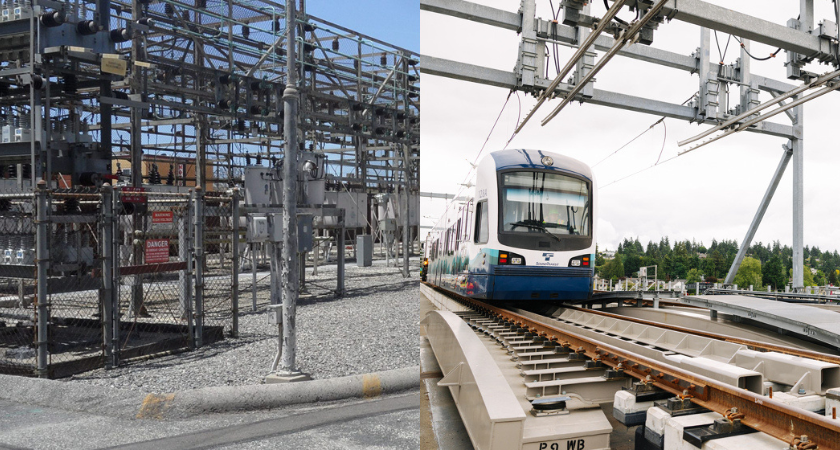
The third measure, House Bill 1065, establishes two funding programs to support local projects near transit stops. One program leverages local sales tax revenue to improve infrastructure and transportation access, while the second provides $350 million in tax credits over six years, starting in 2027, to support affordable housing near transit hubs.
.webp)
These incentives align with broader land-use reforms passed in 2024 under House Bill 1313, which required Front Range cities to allow denser development near transit-rich areas. Advocates argue that housing near transit can also reduce greenhouse gas emissions by creating more walkable, less car-dependent communities.
“I want to emphasize that it’s really refreshing to be working hand-in-hand with local governments,” said Rep. Steven Woodrow, sponsor of the incentives bill. “It’s not a mandate, it’s not top-down. This is actually a bill … that provides resources to local governments, which is a refreshing change for all sides.”
However, not all local leaders are supportive. Kevin Bommer, executive director of the Colorado Municipal League, said the organization is reviewing the bills. While the group supports efforts to increase housing, it opposes HB-1001, arguing that it undermines long-standing local authority over growth and zoning.
“Municipal leaders across Colorado are actively working to increase affordable and attainable housing opportunities,” Bommer said. “One-size-fits-all policies from the state Capitol ignore the unique needs of each community. House Bill 26-1001 would strip away local authority that has been the foundation of responsible growth and balanced planning in Colorado for decades.”
Supporters stress that the new legislation provides a balance between state leadership and local input, offering funding and tax incentives rather than mandates. By encouraging construction near transit hubs, policymakers hope to address both housing shortages and environmental concerns.
“This is actually a bill … that provides resources to local governments, which is a refreshing change for all sides,” Woodrow reiterated.
The new bills are expected to pass the legislature with strong Democratic support, though discussions with local communities will continue to ensure projects reflect regional needs and priorities.
Originally reported by Seth Klamann in The Denver Post.