After nearly three years of relative calm, construction material prices are once again trending upward, driven primarily by sharp increases in copper and electrical components, according to recent analysis from construction cost tracking firm Gordian.
During a year-end webinar, Gordian analysts said construction input prices rose in the second half of 2025, marking a notable shift from the post-pandemic period of stabilization that followed the historic cost spikes of 2020 through 2022. While labor costs increased in nominal terms, they lagged broader inflation, making materials the primary source of renewed price pressure heading into 2026.
.webp)
Nonresidential construction input prices have increased 44.5% since the onset of the pandemic, based on Producer Price Index data. However, most of those gains occurred early in the recovery. Recent months suggest that the industry may be entering a new inflationary phase rather than continuing the plateau seen over the past several years.
“This material cost rally to back out 2025 was very real, and it was strong enough to pull the inflation adjusted historical cost index out of a multiyear decline,” Sam Giffin, principal product manager at Gordian, said during the webinar. “That’s unfortunate for many in the industry. Now, we’re again pushing our way back up.”
Copper and electrical components emerged as the strongest drivers of late-year cost increases, a trend with outsized implications for energy-intensive projects such as data centers. While broader construction activity has softened, demand tied to electrification and digital infrastructure continues to accelerate.
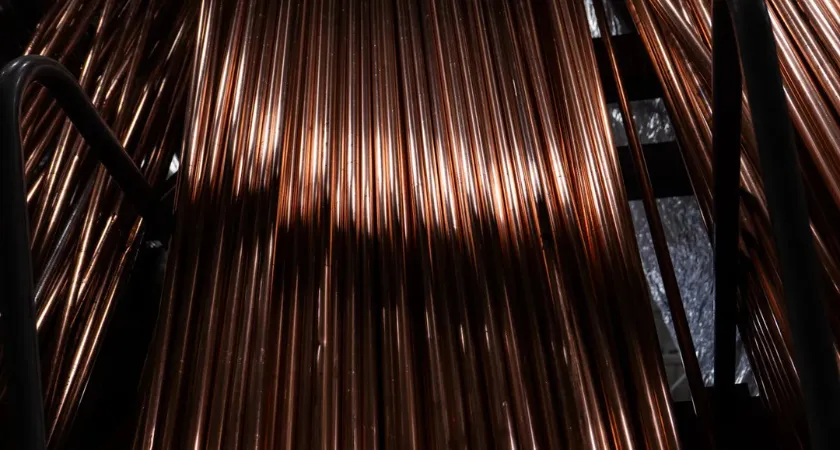
“Copper is one of the few benchmark materials in which the cost borne by stakeholders in the construction industry are typically shaped by demand factors outside of it,” Giffin said. “We have continued electrification of equipment and facilities across the country, plus a huge surge in the growth of data centers and all the surrounding electrical grids. It’s bringing up a massive demand spike for copper.”
Analysts expect elevated copper prices to persist as supply-side challenges collide with sustained global demand. China alone accounts for roughly half of global copper consumption, according to Gordian, and mining output has struggled to keep pace.
“Remember that it takes an average of 17 years for a new copper mine to go from discovery to active production,” Giffin said. “So, if that external demand doesn’t diminish and our productivity and supplies aren’t increasing any faster, copper prices are likely to continue climbing even higher than they are.”
.webp)
Beyond raw materials, rising copper prices are spilling into manufactured components. Items such as copper wire, transformers and chillers — all critical to power-heavy facilities — are facing long lead times and mounting cost pressure.
“There are other categories starting to show this pressure,” Giffin said. “They’re bucking the trend of previous years by increasing in price in the first quarter.”
These increases are complicating procurement timelines and budgeting for contractors working on complex mechanical and electrical systems, particularly as owners push to accelerate schedules in competitive markets.
Steel pricing has followed a different trajectory. While prices have fluctuated, analysts describe the market as relatively stable due to what Giffin called “supply side discipline.”
“With reduced demand and reduced import volumes, the market is stable,” Giffin said. “The lack of expansion might signal some stagnation on the horizon.”
Concrete and masonry inputs, however, present a more nuanced picture. While demand is constrained, prices remain elevated compared to pre-pandemic levels, particularly for ready-mix concrete and concrete block.
“In categories like ready-mix concrete and concrete block, our prices are elevated relative to previous years,” Giffin said. “Given the trends in the market that are limiting demand for concrete cement, it seems likely that prices for these material categories are going to remain constrained for the better part of 2026.”
With material-driven inflation resurfacing, contractors are bracing for tighter margins and renewed pricing volatility in 2026. While the market has not returned to pandemic-era extremes, analysts warn that sustained demand for electrification and digital infrastructure could keep upward pressure on key inputs well into the year.
Originally reported by Sebastian Obando, Reporter in Construction Dive.
.png)


.png)