Nonresidential construction planning lost momentum to begin 2026, with activity falling sharply across most commercial and institutional categories, according to new figures from the Dodge Momentum Index.
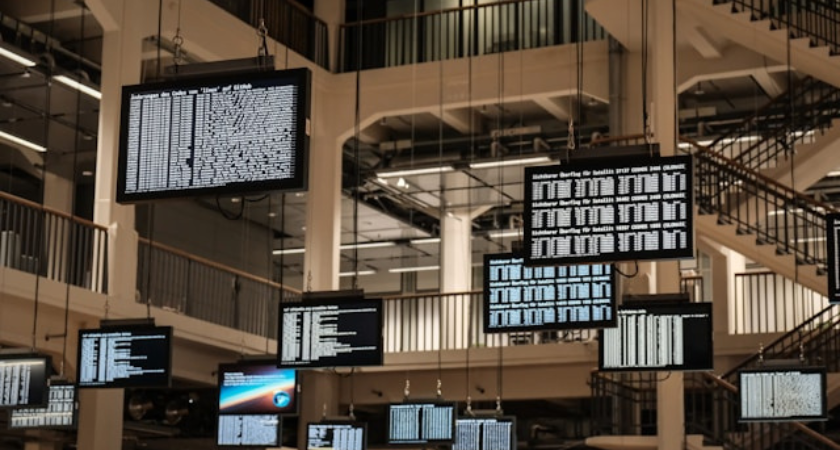
Planning slipped 6.3% month to month in January, reversing gains made at the end of 2025. The downturn was driven by weaker commercial and institutional pipelines, particularly in office, warehouse and healthcare segments. The lone bright spot remained the booming data center market, which continued to dominate large-project planning.
.webp)
Despite the broader pullback, digital infrastructure projects are still setting the pace for nonresidential construction.
“Planning momentum cooled in January across most commercial and institutional sectors,” said Sarah Martin, associate director of forecasting at Dodge Construction Network. “Data center projects continue to lead the way, but after elevated activity in late 2025, most nonresidential sectors are now easing into a more sustainable growth pattern.”
Planning indicators, which typically lead actual construction spending by about a year, showed a 7.2% drop in commercial activity and a 4.4% decline in institutional projects compared with December levels.
Even with January’s slowdown, the broader picture remains positive. Commercial planning is still 26% higher than a year ago, while institutional planning is up 34% from January 2025. The overall index shows a 29% year-over-year gain and remains close to the record high reached in July 2025.
Outside of data centers, most project types struggled to gain traction to start the year.
Planning activity slowed across nearly every commercial segment, including office, warehouse and hotel developments. Retail was one of the few areas to post an improvement, according to Dodge.
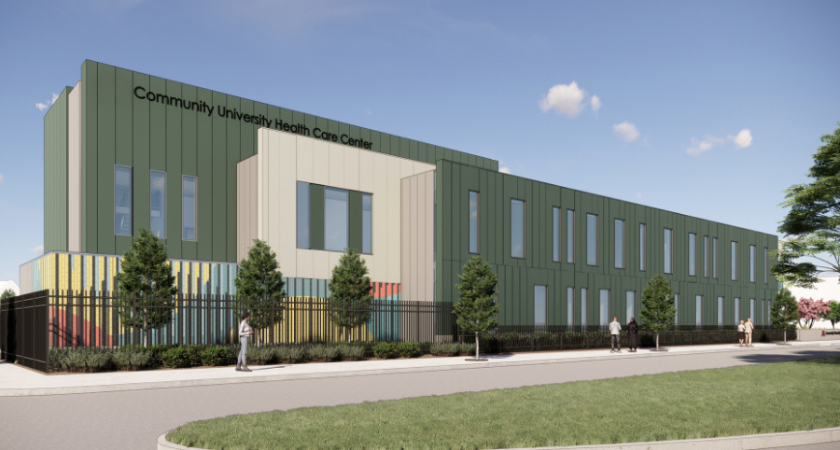
Institutional sectors also weakened, with declines in education, healthcare and public building proposals. Recreational and religious facilities were among the rare categories to expand.
A total of 35 projects valued at $100 million or more entered planning in January. The three largest commercial proposals were all data centers:
The biggest institutional projects included:
Industry analysts say the January dip reflects a period of recalibration rather than a fundamental reversal. Elevated interest rates, tighter lending standards and uncertainty around federal spending priorities are causing developers to move more cautiously on traditional commercial real estate.
At the same time, the surge in artificial intelligence and cloud computing demand continues to fuel unprecedented investment in data centers, which accounted for the majority of large projects entering planning last year. Experts expect that divide—between tech-driven infrastructure and conventional building types—to shape the market throughout 2026.
While the index has softened from its 2025 peak, Dodge economists note that the level of activity remains historically strong, suggesting that contractors will still see a healthy backlog heading into 2027.
Originally reported by Sebastian Obando, Reporter in Construction Dive.