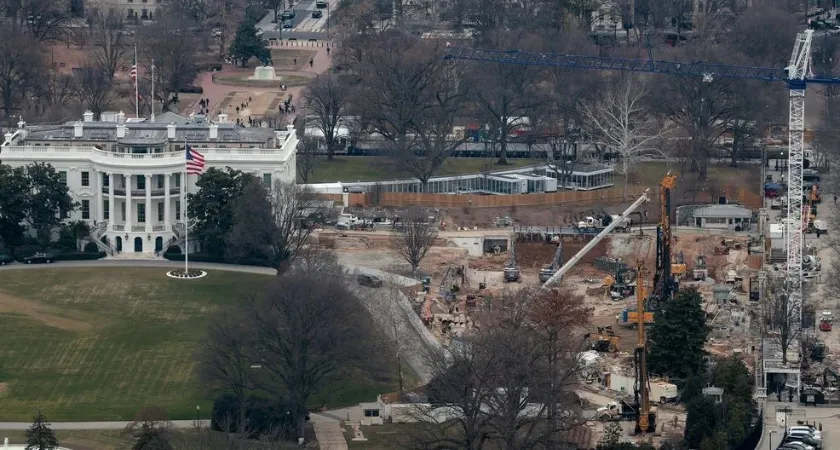
HUNT VALLEY, Md. (TNND) — A federal court may rule in the coming weeks on whether President Donald Trump can continue building a ballroom on the grounds of the White House’s demolished east wing.
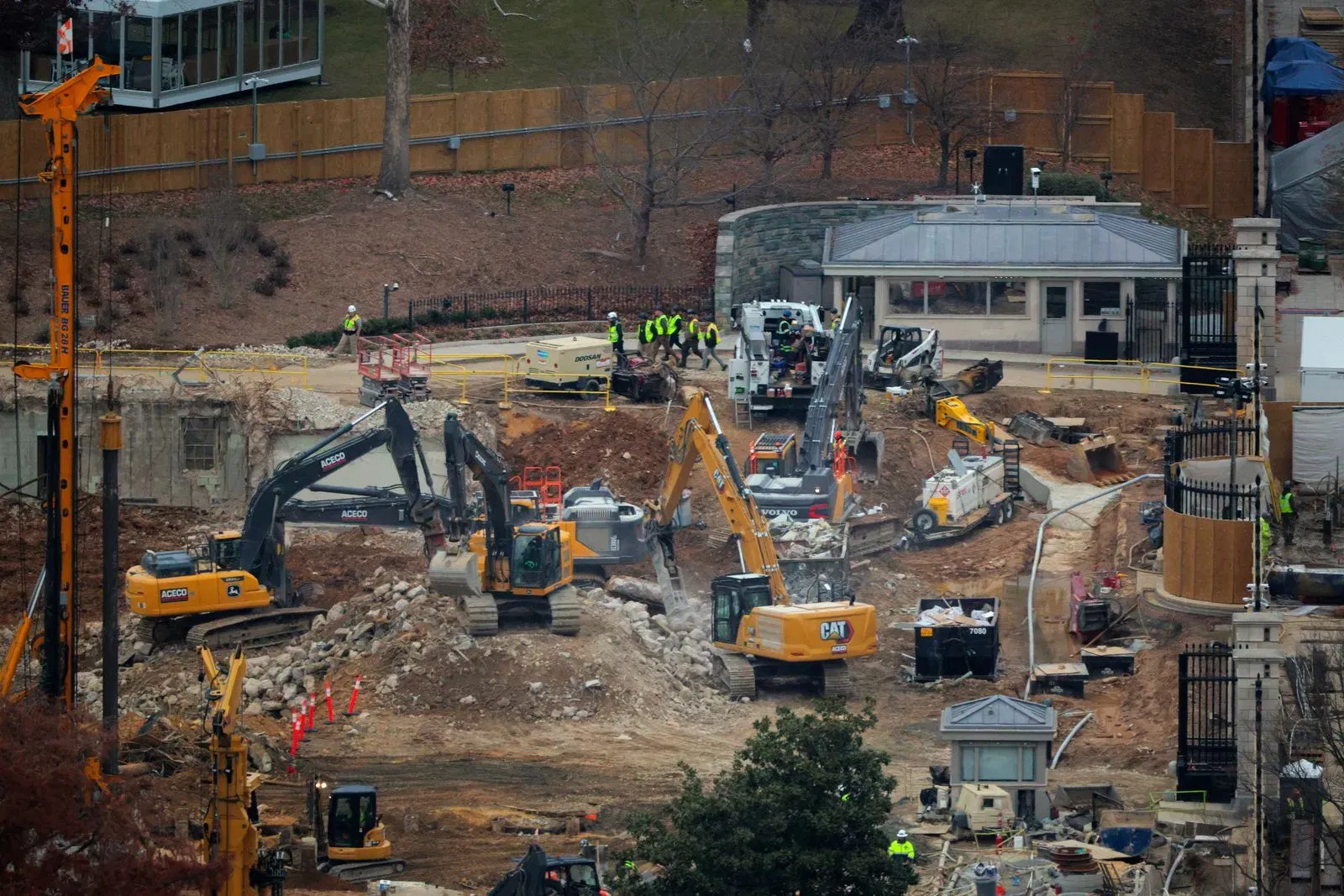
Senior Judge Richard Leon of Washington’s district court said last month he expects to decide in February whether to issue a preliminary injunction against the Trump administration, which has knocked down the century-old wing to erect a 90,000-square-foot ballroom.
The National Trust for Historic Preservation, a nonprofit dedicated to preserving historic places, sued Trump and several members of his administration in December. The organization asked Leon to halt the ballroom’s construction until federal agencies have approved the plans, an environmental study has been conducted and Congress has authorized the building. The Trump administration's alleged failure to follow multiple laws governing White House construction necessitate it, according to the nonprofit.
“They did so without seeking approval from Congress; without requesting review and approval from the federal commissions charged with oversight of development in the nation’s capital; without conducting the required environmental studies; and without allowing the public any opportunity for input,” the organization said in its complaint. “Within days, the East Wing and its colonnade—a version of which was first built on the site during the presidency of Thomas Jefferson—were completely destroyed.”
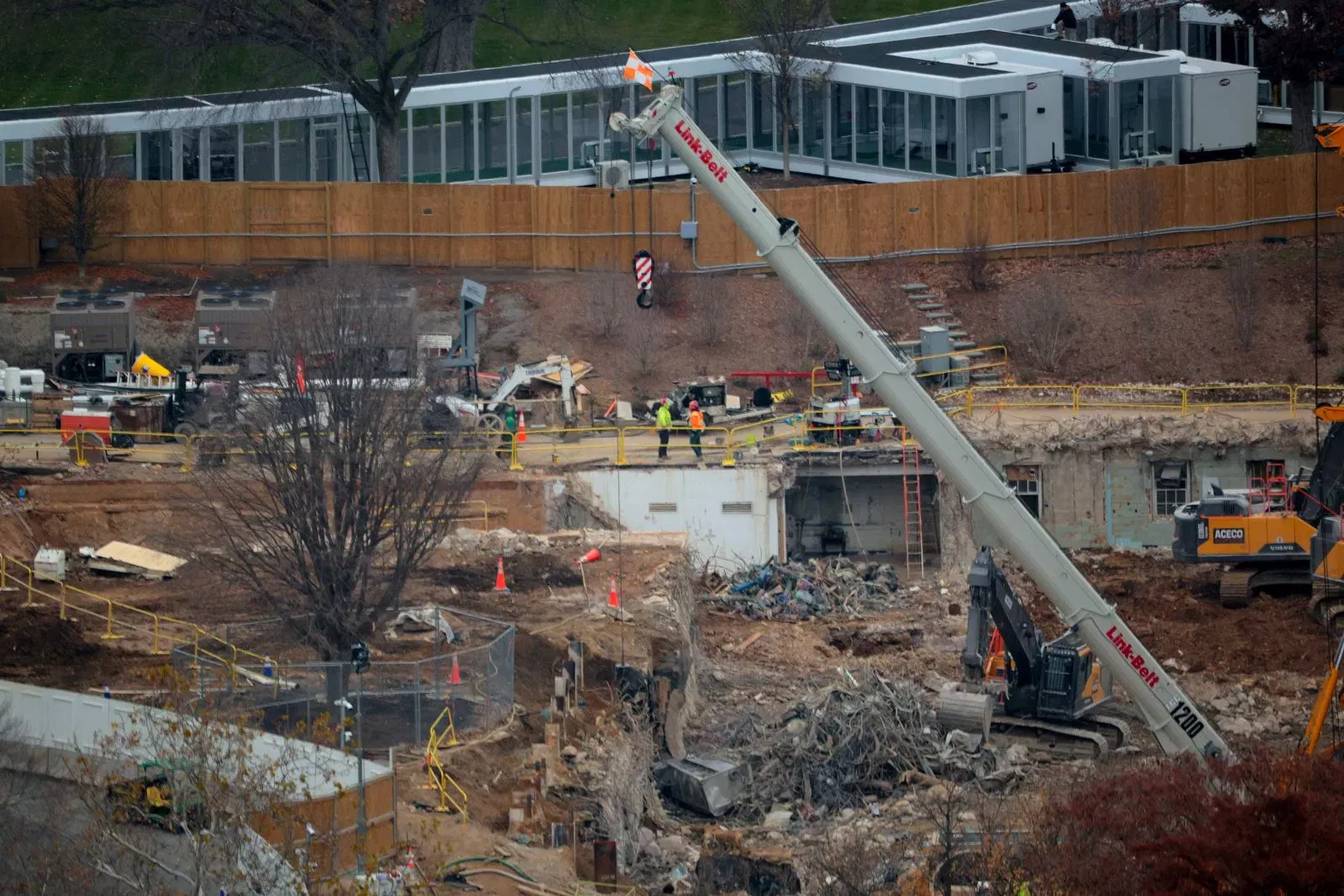
The lawsuit has become one of the most closely watched disputes over presidential authority and historic preservation in decades. Advocates argue that the East Wing and Jacqueline Kennedy Garden represented irreplaceable pieces of American heritage, while administration officials maintain the project is a necessary modernization funded entirely by private donors. The case could clarify how far a president may go in altering the White House complex without congressional approval.
The Trump administration has rejected the plaintiff's argument. It said in a filing in December that there isn’t any basis for halting construction since the court is incapable of deciding on it.
“Plaintiff’s claims concerning demolition of the East Wing are moot because the demolition has already occurred and cannot be undone,” the administration wrote. “As for future construction, Plaintiff’s claims are unripe because plans are not final.”
Leon reportedly expressed skepticism last month that the project is legal, referring to its fundraising as a “Rube Goldberg” machine – a complicated method for performing a simple task – meant to avoid congressional oversight. Private donors are funding the ballroom, but their efforts have been opaque.
Last week, the Trump administration said it will immediately appeal a ruling against it and asked Leon to stay any order halting construction.
“The D.C. Circuit should have the opportunity to weigh in on these significant and novel issues of first impression before the President is ordered to stop work in the middle of a high-priority construction project that implicates national security, particularly at the behest of a third party with no legally cognizable interest in the White House grounds and no applicable cause of action to intrude into this novel matter of inter-branch relations,” the administration wrote.
If Judge Leon grants the injunction, work on the site would stop almost immediately while federal reviews are completed. Legal analysts say that could trigger months of environmental assessments, design revisions and potential congressional hearings. A denial, however, would allow construction to proceed while the broader lawsuit continues, setting up a likely appeal to the U.S. Court of Appeals for the D.C. Circuit.
President Trump announced plans for the ballroom shortly after beginning his second term, describing it as a venue for state dinners, diplomatic receptions and large public ceremonies that the current White House complex cannot easily accommodate. The proposed structure would span roughly 90,000 square feet—larger than many convention halls—and is estimated to cost about $300 million.
Administration officials have said the project will be paid for entirely through private donations, a funding model critics say was designed to bypass congressional appropriations and public scrutiny. Preservation groups counter that any major alteration to the White House grounds, regardless of funding source, must comply with federal preservation and environmental laws.
The National Trust for Historic Preservation argues that the demolition of the East Wing erased more than a century of architectural history. The wing, originally expanded during the Theodore Roosevelt administration and later renovated under Jacqueline Kennedy, had become a symbol of the modern presidency.
Experts in historic architecture have warned that rebuilding the area as a large event space could permanently alter the character of the White House campus. Several former members of the Commission of Fine Arts and the National Capital Planning Commission have submitted statements supporting the lawsuit.
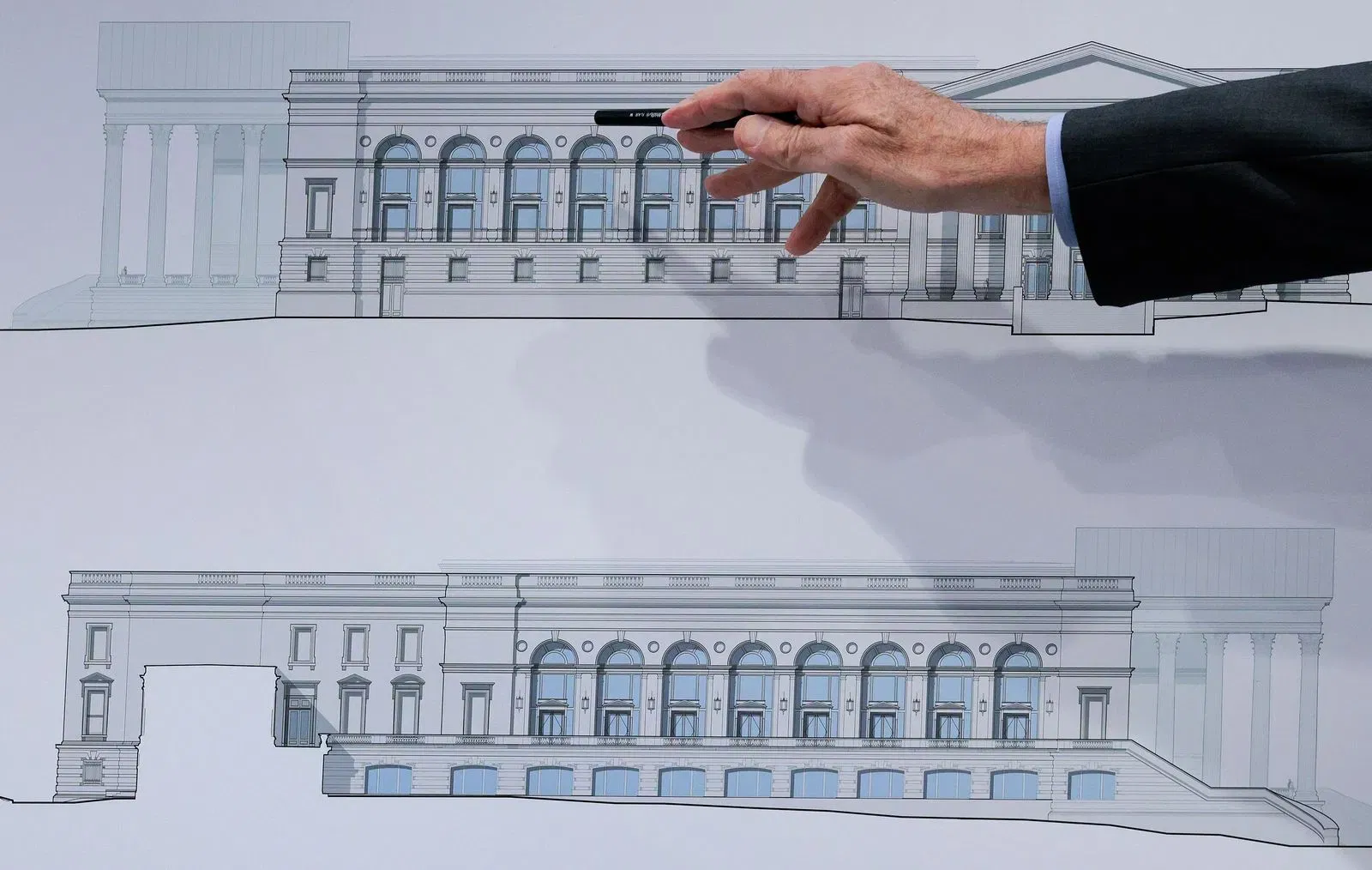
The White House has maintained that the president holds broad authority over the executive mansion and its grounds. Lawyers for the administration contend that courts have little role in second-guessing security and functional decisions related to the residence of a sitting president.
Supporters of the project say the ballroom will enhance America’s ability to host international events and showcase U.S. culture. They also argue that private fundraising spares taxpayers from footing the bill.
Legal scholars say the outcome could set a precedent for future presidents seeking to reshape federal landmarks. The case touches on separation of powers, the reach of environmental law, and the question of who ultimately controls one of the nation’s most recognizable buildings.
A decision from Judge Leon is expected before the end of the month.
Originally reported by RAY LEWIS in The National Desk.