The U.S. Department of the Interior (DOI) has announced an immediate pause on all large-scale offshore wind projects currently under construction across the United States, citing classified national security concerns related to radar interference and defense readiness.
The decision, made public on December 22, 2025, follows classified assessments from the Department of War that identified potential risks posed by offshore wind infrastructure to U.S. national defense systems. According to the DOI, the pause is necessary to allow federal agencies time to fully evaluate and address those risks before construction activity resumes.
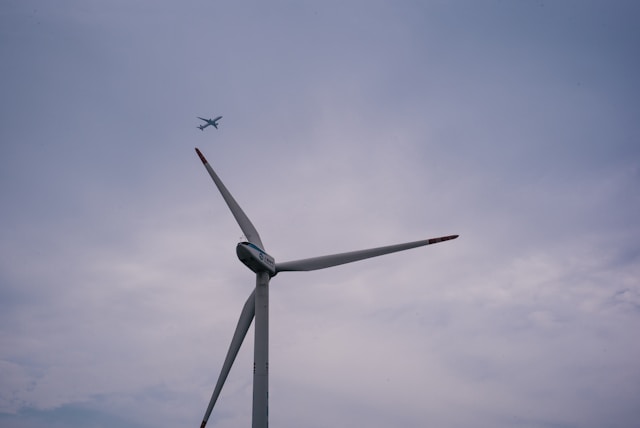
In a press release titled “The Trump Administration Protects U.S. National Security by Pausing Offshore Wind Leases,” the DOI said offshore wind turbines may interfere with radar systems critical to homeland defense, particularly near densely populated areas along the East Coast.
Secretary of the Interior Doug Burgum underscored the importance of placing national security considerations ahead of energy development timelines as threats and technologies evolve.
“Protecting our national defense capabilities is paramount,” Burgum stated. “As adversary technologies advance, we must ensure that critical infrastructure projects do not inadvertently compromise our security.”
According to the department, the pause affects several high-profile offshore wind developments that are either under construction or preparing for major construction phases. During this period, the DOI will coordinate closely with the Department of War and other federal agencies to evaluate mitigation options that could reduce or eliminate the identified risks.
The Department of the Interior confirmed that the following offshore wind projects are included in the pause:
These projects represent some of the most significant offshore wind investments along the U.S. East Coast and have been viewed as central to federal renewable energy goals.
At the heart of the national security concerns are findings that offshore wind turbines can generate radar “clutter,” which may obscure or create false targets on defense radar systems. According to the DOI, this interference could compromise the ability to accurately detect and track real threats, particularly in proximity to major population centers and strategic military assets.
A 2024 Department of Energy report previously highlighted the complexity of the issue, noting that efforts to adjust radar detection thresholds to minimize clutter could inadvertently increase the risk of missing genuine targets. These findings have intensified concerns about balancing renewable energy expansion with the operational needs of national defense.
The DOI emphasized that the decision to pause construction is distinct from earlier funding-related actions affecting offshore wind. In September 2025, the U.S. Department of Transportation (DOT) and the Maritime Administration (MARAD) withdrew or terminated $679 million in funding tied to 12 offshore wind projects, labeling them “wasteful wind projects.” That decision redirected federal resources toward traditional energy systems, freight corridors, port improvements, and maritime infrastructure.
Federal officials said the current pause will provide time for a comprehensive interagency review aimed at identifying feasible mitigation strategies that would allow offshore wind development to proceed without undermining national defense capabilities.
The action follows broader federal scrutiny of offshore wind leasing. In January 2025, the White House temporarily withdrew all Outer Continental Shelf areas from offshore wind leasing, launching a wide-ranging review of federal permitting practices. That review focused on energy reliability, environmental impacts, escalating project costs, and effects on the fishing industry.
The Department of the Interior said it remains committed to ensuring that future renewable energy projects are compatible with both environmental objectives and national security requirements.
Originally reported by Dino Ciliberti, Patch Staff in Patch.