Investments in residential energy efficiency could help data centers reduce their impact on already strained power grids while delivering economic benefits to surrounding communities, according to a new report from energy policy group AnnDyl.
The analysis suggests that a hypothetical 200-megawatt data center could offset roughly 10% of its peak electricity demand by investing about $50 million in targeted, low-cost home efficiency upgrades. The findings highlight how residential improvements could serve as a practical complement to traditional grid infrastructure investments as data center development accelerates nationwide.

AnnDyl modeled the impact of such investments in Ohio, a fast-growing data center market within the capacity-constrained PJM Interconnection region. The report builds on earlier research showing that electrification and efficiency measures in nearby homes can play a meaningful role in balancing new large-scale power demands.
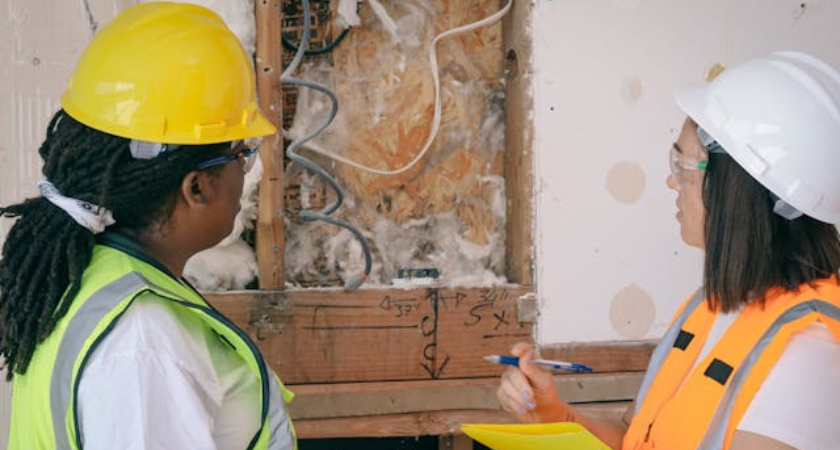
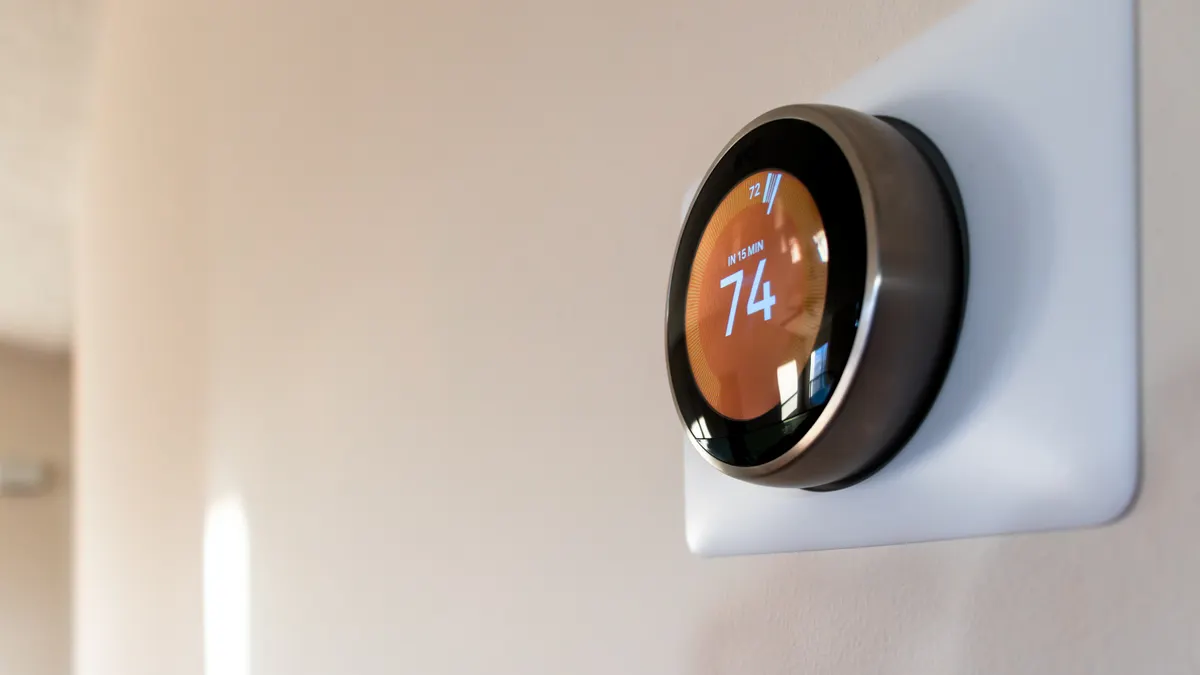
Among the most effective strategies identified were insulation improvements, air and duct sealing, and the installation of smart thermostats enrolled in demand response programs. According to the analysis, this combination would not only reduce grid pressure but also generate approximately $3 million in annual customer savings and support the creation of more than 200 jobs.
Other scenarios examined by the researchers included standalone smart thermostat deployments, cold-climate heat pumps paired with smart thermostats, and grid-interactive heat pump water heaters. While these approaches showed promise, they were less effective on their own. In some cases, the report noted that deploying heat pumps without sufficient insulation could even increase grid stress during peak periods.
The authors emphasized that residential efficiency investments are not a silver bullet. A $50 million program, they said, would be insufficient to offset the full load of a large data center but could provide meaningful partial relief when combined with other grid solutions.
The report aligns with broader findings from Rewiring America, whose “Homegrown Energy” study concluded that major technology companies could offset a significant portion of their future power needs through residential electrification investments. That research suggested tech firms could cover about one-third of projected capacity needs over five years and potentially exceed total planned capacity requirements by supporting rooftop solar and battery storage installations in suitable homes.
Rewiring America estimates that such large-scale investments could result in the installation of millions of clean energy systems nationwide and create up to 5.5 million new jobs by 2030.
Industry interest in these approaches appears to be growing.
“We’ve been in active discussions with multiple hyperscalers since releasing the Homegrown Energy report,” Wael Kanj, research manager at Rewiring America, said in an email. “[W]hat we’ve heard consistently is that hyperscalers are excited by solutions that don’t just meet their load requirements but also deliver visible benefits to the communities hosting them.”
Kanj added that those conversations “are still exploratory” but said hyperscalers were intrigued by investments that could build public trust among data center neighbors.
Such community engagement may prove increasingly important as data center developers face organized resistance over concerns related to energy use, environmental impacts, and rising utility bills. Residential efficiency programs, advocates argue, offer a way to align corporate growth with local economic and social benefits.
As utilities and policymakers grapple with surging electricity demand driven by artificial intelligence, cloud computing, and digital infrastructure, the AnnDyl report underscores the potential for efficiency upgrades to serve as a cost-effective, community-centered strategy for managing grid reliability while expanding clean energy employment opportunities.
Originally reported by Brian Martucci in Utility Dive.