Chicago-based contractor Clayco could soon help deliver what would become the first fully integrated nuclear-powered data center campus in the United States, according to a Feb. 12 company announcement.
.webp)
A multidisciplinary consortium led by Swiss-American energy developer Deep Atomic has submitted proposals to the U.S. Department of Energy (DOE) to co-locate advanced nuclear energy generation with hyperscale data center construction. One proposal calls for developing a campus at Idaho National Laboratory, with Clayco advising on construction phasing and sequencing.
If approved, the project would represent a landmark shift in how artificial intelligence infrastructure is powered — pairing next-generation nuclear technology with energy-intensive digital facilities.
Pending DOE approval, Clayco would execute the project in stages. The firm would initially construct the data center campus powered by a mix of grid electricity, geothermal and solar sources.
After vertical construction is complete, Deep Atomic would deploy its MK60 Small Modular Reactor (SMR) to provide dedicated, on-site nuclear power generation. The approach is designed to demonstrate how nuclear-powered AI campuses could be rolled out nationally.
“We believe this project could serve as a blueprint for providing data centers with the clean, scalable power that increased AI use requires,” said the Clayco statement. “The implementation of these types of SMRs will see increased adoption going forward.”
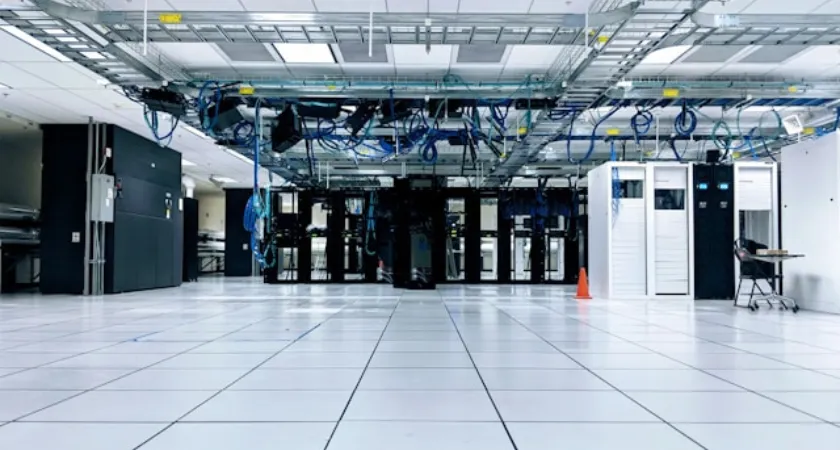
Clayco would also advise on integrating energy infrastructure with high-density AI computing requirements. That includes aligning structural systems, cooling infrastructure and power distribution networks with the heavy loads demanded by hyperscale artificial intelligence workloads.
The proposal reflects mounting pressure on the U.S. power grid as artificial intelligence and cloud computing drive rapid electricity consumption growth. According to Clayco, AI-related infrastructure could fuel a 15% increase in electricity demand by 2030.
“This growing need necessitates the utilization of alternative power sources to maintain grid stability,” according to the Clayco statement. “It also presents a pivotal moment for U.S. power infrastructure to enhance its reliance on clean energy sources including nuclear, enabling greater sustainability in this critical sector of American development.”
Nuclear power — particularly SMRs — has gained renewed interest among data center developers seeking reliable, carbon-free baseload energy. Unlike intermittent renewables, nuclear reactors can deliver continuous output, a key advantage for mission-critical digital infrastructure.
Clayco currently has 57 active data center projects underway across the U.S., giving the contractor substantial experience in hyperscale builds. The firm said that experience positions it to help translate advanced energy concepts into deliverable, constructible facilities.
“Successful DOE submissions require more than innovative energy concepts — they require confidence that projects can be delivered safely, efficiently, and at scale,” said Bob Clark, executive chairman and founder of Clayco, in the release.
If approved, the Idaho campus could establish a replicable development model for future AI-focused infrastructure hubs. Co-locating generation and consumption reduces transmission constraints, enhances grid resilience and potentially shortens project timelines tied to utility interconnection queues.
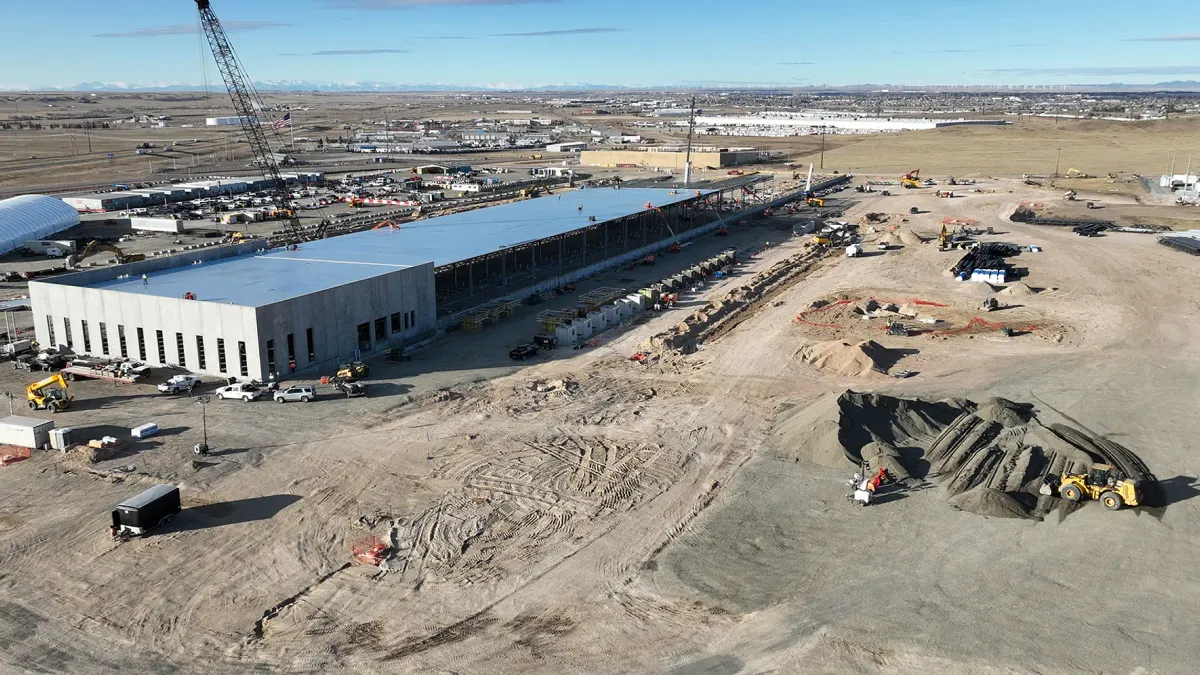
For the construction sector, nuclear-powered data campuses would introduce new complexities in regulatory coordination, safety compliance and specialized facility design. Integrating SMRs within or adjacent to commercial developments requires close collaboration between federal agencies, utilities, reactor developers and contractors.
At the same time, the model may unlock new project pipelines as developers seek energy-secure sites capable of supporting gigawatt-scale AI deployments.
While DOE approval remains pending, the proposal underscores how rapidly evolving AI demands are reshaping both energy strategy and construction delivery models — pushing contractors like Clayco into the center of next-generation infrastructure planning.
Originally reported by Sebastian Obando, Reporter in Construction Dive.