Environmental advocates across the U.S. are escalating their warnings about the rapid expansion of data centers, urging Congress to enact an immediate nationwide pause on new construction. In a letter signed by more than 200 environmental groups, organizations said accelerating data center development is straining local utilities, driving up household electricity costs, and putting additional pressure on water supplies—impacts that many communities are now openly resisting.
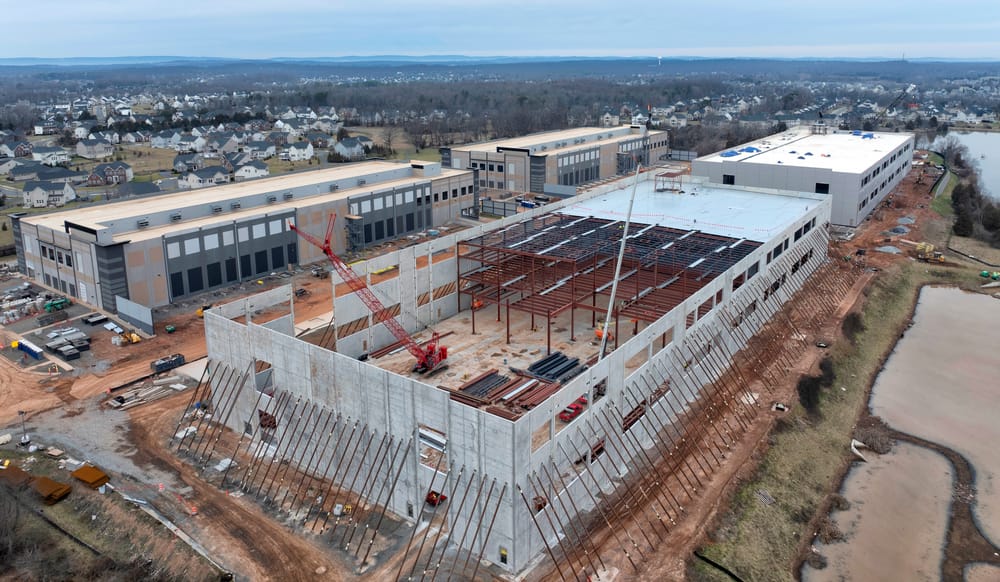
The letter argues that, without stronger regulations, continued expansion could intensify climate risks and saddle residents with long-term financial and environmental burdens. Data centers—which power everything from cloud storage to artificial intelligence—consume massive volumes of electricity and, in many cases, substantial amounts of water for cooling. Many utilities say they will need significant grid upgrades to support the new load, potentially pushing consumer rates higher.
Across the country, local opposition has become increasingly common. Communities from New York to Alabama have fought proposed facilities, voicing fears about noise, diesel emissions from backup generators, regional water stress, and escalating utility bills. According to the environmental groups’ letter, new construction should be halted until “adequate regulations can be enacted to fully protect our communities.”
In a statement supporting the moratorium, Eric Weltman, senior New York organizer at Food & Water Watch, said: “It’s prudent that we press the pause button on Big Data’s voracious and expanding appetite for energy and water before it’s too late to prevent massive harm.”
Opponents of uncontrolled data center growth also point to limited transparency about energy consumption and environmental impact. A November study in Nature Sustainability found that depending on growth rates, the AI sector alone could emit as much carbon annually as 10 million passenger vehicles.
At the same time, industry supporters highlight the economic benefits tied to data centers, including new tax revenue streams and construction jobs. In October, Dan Diorio, vice president of state policy at the Data Center Coalition, told NPR that companies are working to minimize water use and ensure they pay “the full cost of service for electricity.”
States like New York continue to court data center developers, with Gov. Kathy Hochul emphasizing that she wants to “let the tech industry know this is the place you want to be.” Still, several upstate communities—particularly near the Finger Lakes—remain deeply concerned about proposed projects.
.jpg)
Local leaders and advocacy groups argue that the promised economic impact often fails to materialize. Yvonne Taylor, vice president of Seneca Lake Guardian, said companies frequently overpromise while delivering few long-term jobs, noting: “These slick corporations come into unsuspecting communities with the promise of job creation and tax revenues. The fact of the matter is that all of these machines … they’re all fully automated, and it doesn’t require a lot of people, so there aren’t a lot of jobs that are created, but the community is left with the consequences, including increased energy bills.”
Opposition is rising even in states where regulators typically embrace data center growth. In Bessemer, Alabama, a rezoning decision to allow a new facility has divided residents who worry about water consumption, energy strain, and air pollution from backup generators.
Experts warn that the increased load from large data centers is forcing regional grid operators—particularly in Virginia—to consider costly transmission system upgrades. These improvements, which strengthen the grid’s backbone, are typically subsidized by ratepayers. A 2024 report by Virginia’s legislative watchdog projected that households could see monthly bill increases of $14 to $37 by 2040 due to data center-driven grid upgrades.
Rising peak demand forecasts also threaten to push household rates even higher. Yet, according to energy policy expert Eric Gimon, solutions exist if states and regulators push for them. “For all these things, there are solutions,” he said. “It’s just a question of demanding the solutions get implemented.”
As pressure mounts on Congress, the battle over data center expansion is shaping up to be one of the most closely watched environmental debates of the coming year—pitting the promise of economic growth and technological advancement against community concerns and the growing urgency of climate action.
Originally reported by Lauren Dalban - Inside Climate News in Michigan Advance.