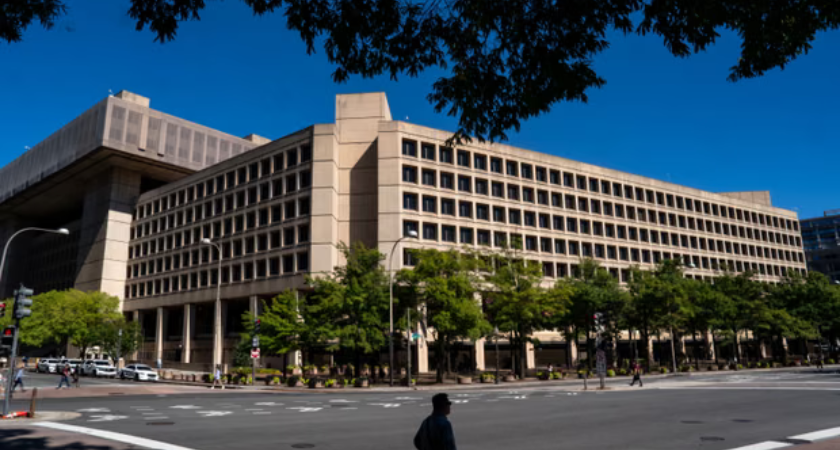
The Federal Bureau of Investigation will permanently vacate its long-criticized J Edgar Hoover headquarters in Washington DC, marking the end of an era for one of the capital’s most recognizable — and controversial — government buildings.
.jpg)
FBI director Kash Patel confirmed that the agency will shut down the ageing brutalist structure and relocate its workforce to other existing federal facilities across the city. Some employees will move into the Ronald Reagan Building and International Trade Center, occupying offices previously used by the US Agency for International Development before it was dismantled earlier this year by the Trump administration.
Announcing the decision, Patel said the move followed years of unsuccessful attempts to address the building’s deteriorating condition.
“After more than 20 years of failed attempts, we finalized a plan to permanently close the FBI’s Hoover headquarters and move the workforce into a safe, modern facility,” Patel posted to social media site X. “The Hoover Building will be shut down permanently.”
Patel framed the decision as both a cost-saving measure and an operational reset for the agency, arguing that continued investment in the structure no longer made sense.
“This decision puts resources where they belong: defending the homeland, crushing violent crime, and protecting national security. It delivers better tools for today’s FBI workforce at a fraction of the cost.”
The Hoover building, which opened in the mid-1970s, has long been plagued by maintenance issues and criticism over its design. Conceived and built in the 1960s, the massive concrete complex broke sharply from the neoclassical architecture that dominates much of Washington’s federal landscape. Its stark appearance and functional layout made it a lightning rod for architectural debate almost from the moment it opened.

Even J Edgar Hoover himself, the FBI’s first director and the building’s namesake, was reportedly unimpressed. He once described it as “the greatest monstrosity ever constructed in the history of Washington”.
The closure comes amid lingering political fallout from a previously proposed relocation plan. In November, leaders in Maryland filed a lawsuit against the Trump administration after it abandoned plans to move the FBI headquarters to the state, despite Congress having already appropriated funds for that purpose. The suit argued that the sudden reversal left years of planning and investment unresolved.
While Patel did not outline a long-term replacement headquarters, officials indicated the agency will continue operating from existing buildings for the foreseeable future. The move reflects a broader shift toward consolidating federal office space rather than pursuing large-scale new construction projects.
The fate of the Hoover building itself remains uncertain. Its location near Pennsylvania Avenue places it on some of Washington’s most valuable real estate, but its size, design and structural challenges could complicate redevelopment or demolition plans.
For now, the FBI’s departure signals the definitive end of a building that has symbolized federal law enforcement for decades — and one that has stood as a stark reminder of a controversial chapter in American architectural history.
Originally reported by The Guardian.