Highlights
A custom luxury residence taking shape in Palm Beach Gardens, Florida, is highlighting how 3D construction printing is moving beyond experimental projects and into high-end residential development.
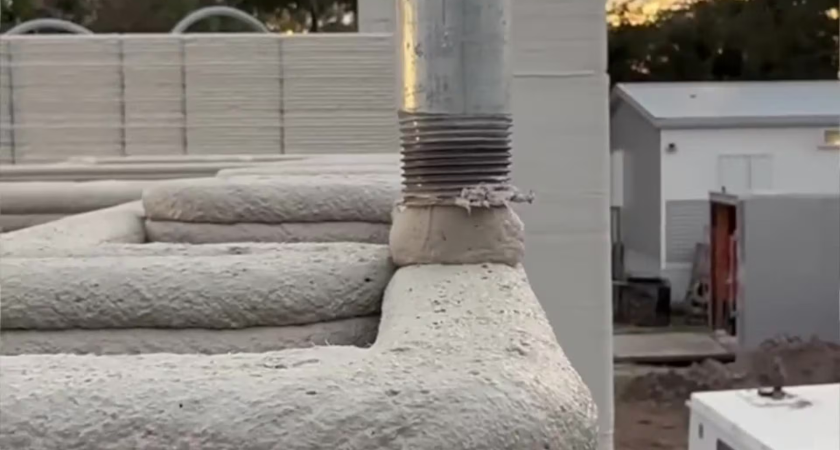
The home, currently under construction, is being built with advanced 3D printing technology that automates portions of the structural construction process. The project reflects a broader trend toward digital construction methods that aim to improve efficiency, accuracy, and building performance while supporting sophisticated architectural designs.
Although the residence is being developed and managed by an independent construction team, the project serves as a real-world example of how 3D construction printing systems can be incorporated into luxury homebuilding.
Video Coverage: WPTV News
3D construction printing uses automated equipment and digital design files to create structural building components with a high degree of precision. By translating architectural plans directly into printed construction elements, the technology can help reduce variability and streamline portions of the building process.
Industry advocates say the approach offers several advantages over conventional construction methods, including:
These capabilities are attracting attention in the luxury housing sector, where customization, craftsmanship, and performance are often top priorities.
Supporters of construction-scale 3D printing also point to potential performance benefits. Printed wall systems can be engineered for enhanced strength and durability while supporting improved insulation and energy efficiency.
Depending on the design and materials used, 3D-printed construction systems may offer increased resistance to environmental threats such as hurricanes, moisture intrusion, termites, and fire. Builders are also exploring how the technology can help lower long-term maintenance requirements and improve sustainability by reducing waste during construction.
The Palm Beach Gardens project is being executed by Marco Design, a company specializing in custom residential construction. The 3D printing technology provider's involvement is focused on supplying the equipment and construction printing capabilities used during the build.
The project underscores how builders and technology companies are working together to introduce automation and digital manufacturing techniques into residential construction, particularly in markets where quality, customization, and structural performance are key differentiators.
As more builders explore construction-scale 3D printing, projects like this may provide insight into how the technology could reshape the future of homebuilding, from luxury residences to broader residential applications.
Source: ProBuild3D