As municipalities increase investment in aging water and wastewater infrastructure, contractors are evaluating digital planning tools that can improve coordination and reduce construction risks in constrained operating environments. Hensel Phelps is expanding the use of immersive visualization technology to support preconstruction and rehabilitation planning on complex utility infrastructure projects.
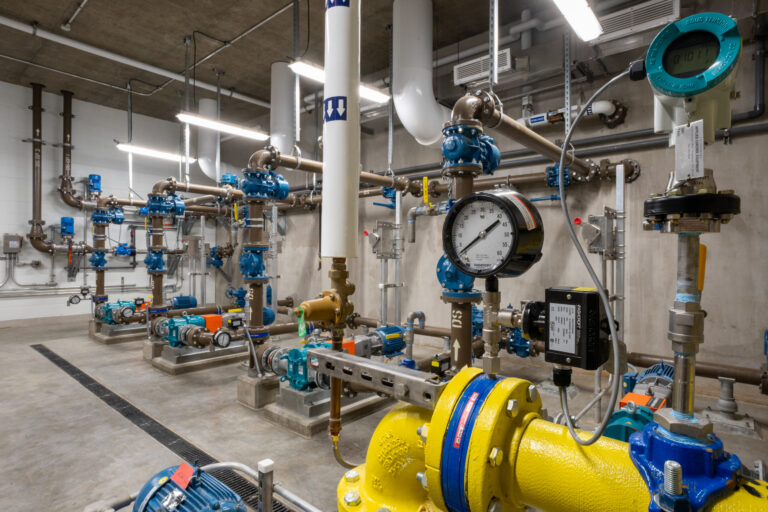
The contractor’s Rocky Mountain Region Virtual Design and Construction team is piloting interactive 3D development software commonly associated with gaming applications to support planning and coordination on active treatment facility projects.
Water and wastewater rehabilitation work often involves underground congestion, incomplete utility documentation and operational systems that must remain active during construction. Hensel Phelps stated that combining building information modeling, LiDAR reality capture scans and interactive visualization tools can help project teams better evaluate existing conditions before field work begins.
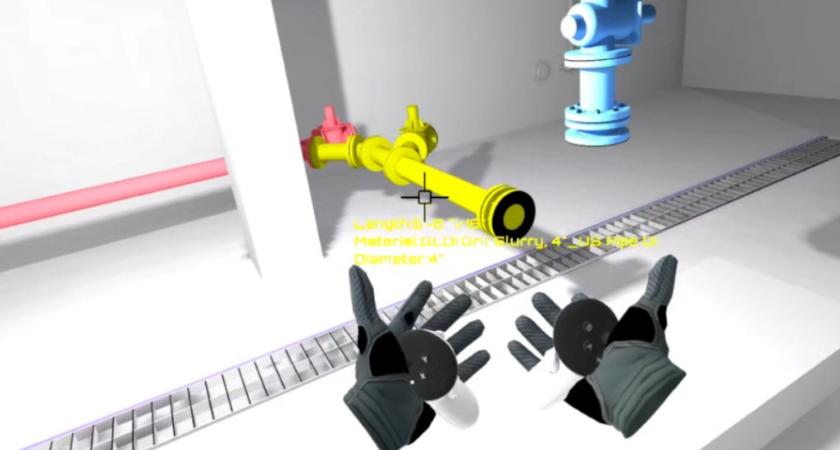
The contractor is using Unreal Engine to create immersive walkthroughs, visual comparisons between proposed and existing infrastructure and virtual reality project reviews using headset technology.
Hensel Phelps developed the pilot effort with support from Diverge, the contractor’s innovation-focused subsidiary. The initiative is intended to improve constructability reviews, owner coordination and sequencing analysis during early project planning.
Hensel Phelps applied the visualization workflow at the Windsor Wastewater Treatment Facility, where project teams integrated LiDAR scan data with BIM models to review underground conditions and system integration requirements before construction activities began.
According to project information released by Hensel Phelps, the digital environment helped teams evaluate coordination issues in areas where traditional modeling and visualization approaches provided limited field context.
The contractor indicated that the visualization platform is being assessed as part of broader VDC workflows supporting 4D planning, coordination reviews and rehabilitation sequencing for active utility facilities.
For construction owners and utility agencies, immersive visualization technology may improve decision-making during rehabilitation projects that involve aging infrastructure, limited access conditions and ongoing facility operations. Enhanced coordination during preconstruction can help identify conflicts earlier and reduce disruption risks during construction activities.
The initiative also reflects broader adoption of digital construction tools across infrastructure markets as contractors and owners seek greater visibility into constructability, phasing and operational integration on technically complex projects.
Source: Hensel Phelps.