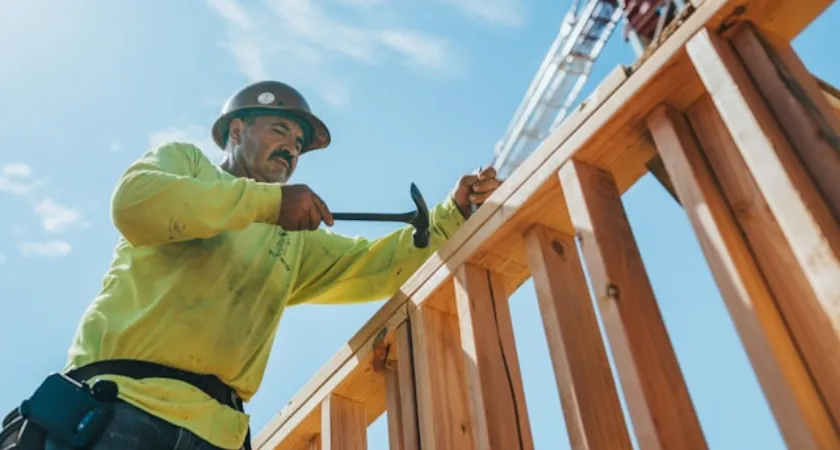
Driven by rapid population growth and sustained demand for new homes, Houston has emerged as one of the busiest homebuilding markets in the country — second only to the Dallas-Fort Worth Metroplex in total residential construction activity.
Using data from the U.S. Census Bureau and Zillow, Construction Coverage reported that 65,747 new residential units were authorized in greater Houston in 2024, placing the metro area at No. 2 nationwide for housing permits across major markets. The count includes permits for single-family homes, apartments and condominiums, reflecting Houston’s continued role as a major national growth hub.
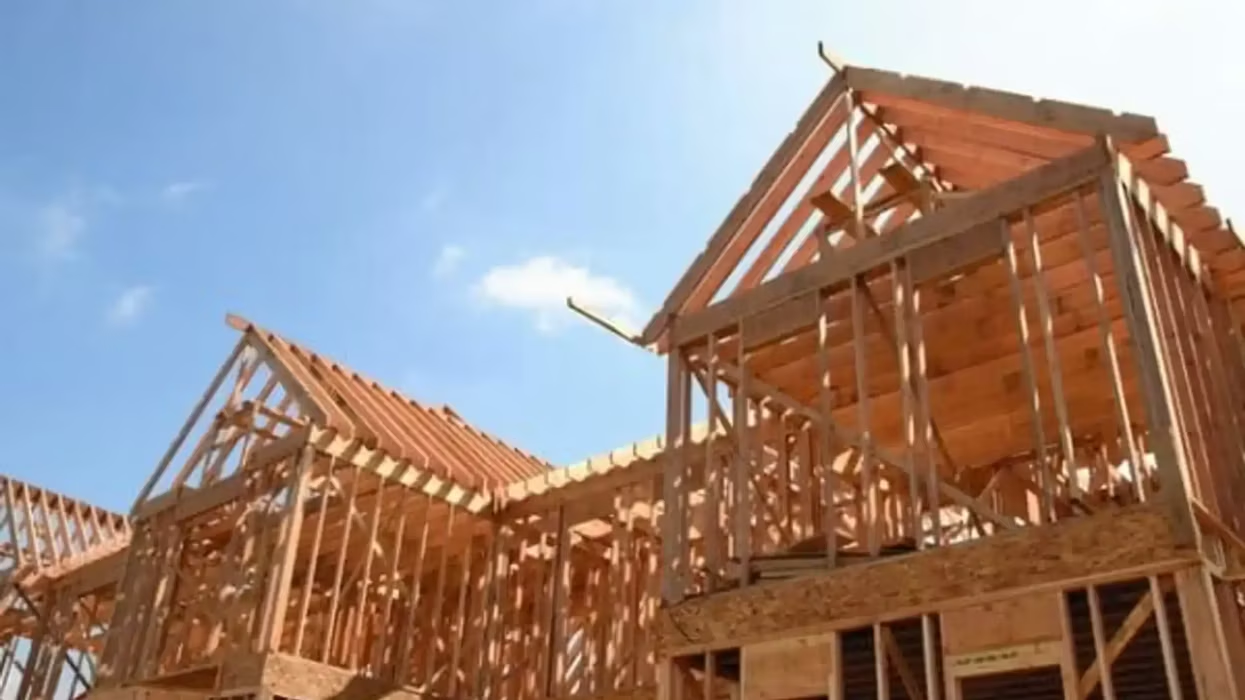
Dallas-Fort Worth secured the top position with 71,788 residential permits approved in 2024. New York City ranked third with 57,929 permits, even as its housing development patterns differ significantly from the fast-growing Sun Belt markets.
Other Texas metros also made strong showings. The Austin area ranked sixth with 32,294 permits, while San Antonio placed 20th with 14,857 permits, further reinforcing Texas’ position as a residential construction powerhouse.
The latest metro rankings align with broader statewide trends showing Texas remains the most active state for residential permitting. A Newsweek analysis of Census Bureau data found that permits for 225,756 new residential units were approved across Texas in 2024, with the bulk of construction activity concentrated in major markets such as Dallas-Fort Worth, Houston, Austin and San Antonio.
Through the first eight months of the year alone, 145,901 permits for new residential units were approved in Texas. While that figure still fell nearly 80,000 permits short of the full-year 2024 total, it highlighted the scale of housing production needed to keep pace with continued in-migration and household formation across the state.
On a per-capita basis, Construction Coverage ranked Texas sixth among states for residential permits approved in 2024 per 1,000 existing homes, coming in at 17.9.
Construction Coverage also evaluated metro areas by the number of new housing units authorized per 1,000 existing homes — a measure that helps highlight how aggressive building activity is relative to current housing stock.
Raleigh, North Carolina, ranked first in that category, with 28.8 permits per 1,000 existing homes, narrowly edging out Austin at No. 2 with 28.6. Dallas-Fort Worth took No. 3 with 22.2, followed closely by Houston at No. 4 with 21.6. San Antonio ranked 13th with 13.6.
.webp)
While Houston placed second overall in total permits, its ranking near the top in per-home permitting shows the region is still building at an elevated pace compared with many large U.S. metros.
The rise in new home construction reflects Texas’ ongoing population growth and the resulting demand for housing supply across both suburban and urban areas.
From April 2020 to July 2024, the U.S. Census Bureau reported that Texas’ population increased by 7.3%, continuing a multi-year expansion trend that has intensified the need for additional housing across the state.
For Houston, residential growth has been driven by continued job creation, relocation activity and household formation — all forces that tend to boost demand for both for-sale and rental housing options.
Even with strong construction totals, profitability remains a challenge across many homebuilding markets, including Texas. Builders continue to balance high demand with volatile costs, labor shortages and affordability pressures that can slow buyer decisions.
“Market conditions remain challenging, with two-thirds of builders reporting they are offering incentives to move buyers off the fence,” North Carolina homebuilder Buddy Hughes, chairman of the National Association of Home Builders, said in a December news release. “Meanwhile, builders are contending with rising material and labor prices, as tariffs are having serious repercussions on construction costs.”
Those headwinds suggest that while Texas metros like Houston may continue leading the nation in housing permits, builders still must navigate tight margins and economic uncertainty as they work to keep up with demand.
Originally reported by John Egan in Houston. Innovation.