As cranes continue to reshape the skyline across central Ohio, a lesser-known state office plays a critical role in ensuring that rapid development does not come at the expense of public safety. Behind nearly every major construction project is the Ohio Department of Commerce’s Bureau of Building Code Compliance, quietly reviewing plans, issuing permits and inspecting worksites across the state.
.jpg)
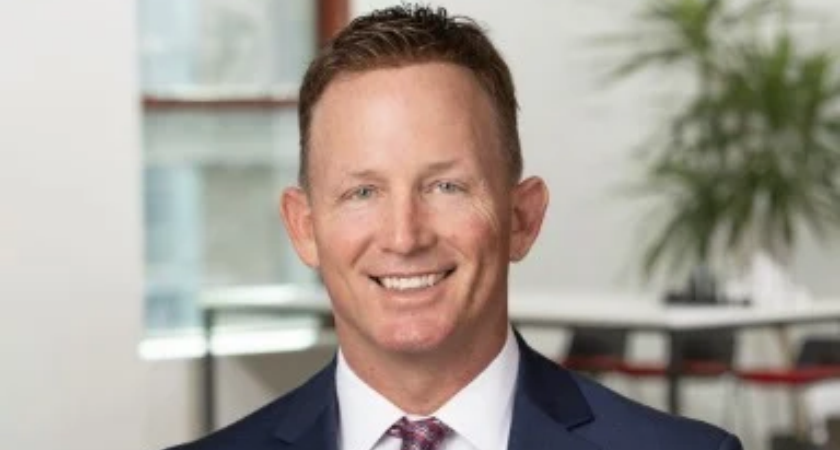
“Our mandate is to protect the life, health, safety and welfare of the public,” said David Merrick, Ohio’s chief building official. “We do that by enforcing the building code.”
Merrick oversees a growing team responsible for enforcing building standards in all 88 Ohio counties that lack their own certified building departments. His office also serves as the authority for all state-owned properties, including the Ohio Statehouse, Rhodes Tower and Ohio State University facilities—projects that often involve complex designs and high occupancy demands.
Before construction begins, developers must submit detailed plans to ensure compliance with Ohio’s building code. If plans meet standards, permits are issued. If they fall short, applicants receive a correction letter outlining required changes.
“We try to work with people,” Merrick said. “Construction is not cheap and time is money. If we can issue a partial permit to let work begin while corrections are being made, we do.”
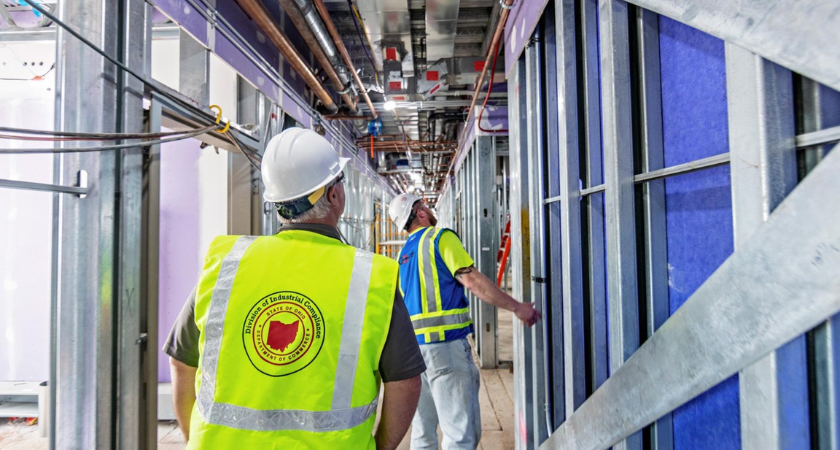
Once work is underway, inspectors visit job sites at critical stages—reviewing foundations before they are buried, electrical systems before walls are closed and mechanical systems before final approval. Only after all inspections are passed does the state issue a certificate of occupancy, allowing a building to open.
“My name is on all of them,” Merrick said.
While the Bureau of Building Code Compliance does not dictate where growth occurs, infrastructure limitations—particularly water capacity—can influence project design. Fire sprinkler systems, for example, require adequate water pressure, and when utilities fall short, developers may need to request variances or propose alternative safety measures.
“Our goal is always to find a path forward,” Merrick explained.
He emphasized that the agency’s role is collaborative rather than obstructive.
“We help you try to find a way to get what you need so that you can create the project that you're trying to build,” he added.
.jpg)
Central Ohio’s construction boom—driven by data centers, hospitals and large-scale mixed-use developments—has pushed application volumes higher in recent years. The department now processes roughly 2,000 applications annually, with weekly submissions peaking at 150 during post-pandemic growth.
Staffing challenges during COVID slowed reviews, but Merrick said the agency has since rebuilt its plans examiner team. As a result, average review times have dropped sharply, from nearly eight weeks to just over two.
“Our goal is 30 days,” he said. “Right now, we’re beating that.”
Most residents never think about the work Merrick’s office does, and he says that’s exactly how it should be.
“If we do our job right, you’ll never notice,” he said. “My wife likes to elbow me every once in a while and say, ‘You've brainwashed me,’ because now she can't go into a building and not look at it for the beautiful thing that it is. She's always looking for exits and air vents and things like that,” Merrick said with a laugh.
Still, the bureau’s oversight touches some of the region’s most prominent structures, including Ohio State University’s recently completed 26-story hospital and ongoing renovations within Rhodes Tower.
From day care centers and power-generation facilities to massive data centers that take years to complete, every project is scrutinized for fire protection, structural integrity, emergency exits and safe evacuation routes.
“So that when people go into a building,” Merrick said, “they can reasonably expect to come back out again unharmed.”
As central Ohio’s growth shows no signs of slowing, Merrick said the mission remains constant—even as the skyline evolves.
“Everyone expects buildings to be safe,” he said. “That’s our job — to make sure people can feel safe.”
Originally reported by Angela An in 10 WBNS.