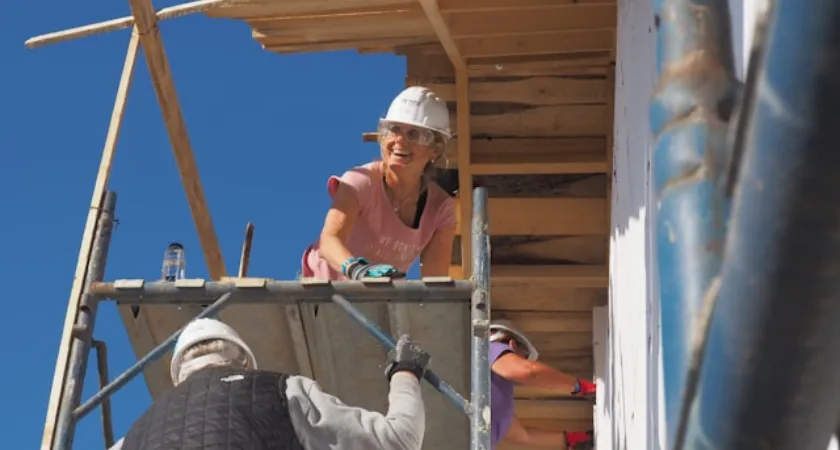
Officials in Massachusetts are highlighting the contributions of women across the construction industry after Maura Healey proclaimed March 1–7, 2026, as Women in Construction Week.
.webp)
The recognition aims to spotlight women working in job sites, apprenticeship programs and leadership roles throughout the state’s construction workforce while promoting greater inclusion and career opportunities.
The announcement comes as state leaders continue efforts to strengthen the construction labor pipeline and encourage more women to enter the building trades.
To mark the occasion, Lauren Jones visited training centers operated by Pipefitters Local 537 and Ironworkers Local 7, where she met with women apprentices and observed hands-on instruction.
During the visits, Jones toured facilities, spoke with trainees and watched apprenticeship programs that combine classroom instruction with practical job-site experience.
“Massachusetts is committed to advancing more opportunities for women in construction, especially by leveraging the state’s Registered Apprenticeship program and career pathways to attract and develop existing and future talent,” Jones said. “Throughout this week and during the year, the Healey-Driscoll Administration appreciates the partnerships and programming that strengthen career pathways for young girls to see themselves in the building trades and create more opportunities for women to represent this critical part of our workforce.”
The initiative builds on an executive order signed by Maura Healey in December 2024 aimed at increasing diversity and opportunity within the construction sector.
“Women are building Massachusetts every day on job sites, in training programs, and in leadership roles across the construction industry,” Healey said. “A strong construction workforce depends on opening doors and removing barriers, and that is why Massachusetts is investing in its future by expanding opportunity across the construction trades and building a pipeline that reflects the full talent of our state.”
The order also established a Diverse and Equitable Construction Workforce Participation Committee within the governor’s office to coordinate workforce development initiatives across state agencies.
The committee focuses on expanding registered apprenticeship opportunities, increasing participation by diverse contractors and encouraging supportive services such as childcare to help workers participate in training and employment.
Lt. Gov. Kim Driscoll also emphasized the importance of creating accessible career pathways.
“A strong construction workforce depends on opportunity and access,” Driscoll said. “This week is about recognizing progress, lifting up women who are leading on job sites and in classrooms, and continuing the work to make these careers open to everyone.”
Since January 2023, the Healey-Driscoll administration reports investing nearly $14 million to support apprenticeship and pre-apprenticeship programs across construction, building trades and other expanding industries.
The state also received $6 million from the U.S. Department of Labor to strengthen apprenticeship programs, including those focused on construction careers and early childhood education.
The Executive Office of Labor and Workforce Development currently oversees more than 980 registered apprenticeship programs statewide, supporting over 9,000 apprentices working in industries such as construction, manufacturing, life sciences and healthcare.
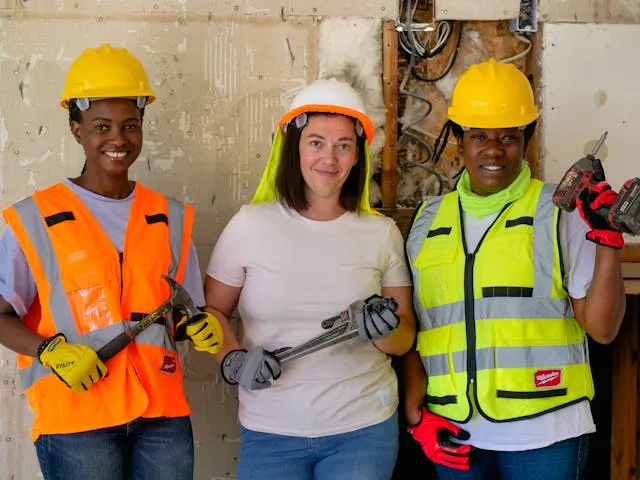
Officials say expanding access to these programs will help address workforce shortages while creating long-term career opportunities for women and other underrepresented groups in the trades.
Women in Construction Week is part of a broader national effort to increase female participation in the construction industry, which has historically been male-dominated. Industry leaders say expanding the workforce to include more women is essential as the sector faces labor shortages and growing infrastructure demand.
Through apprenticeships, training programs and policy initiatives, state officials aim to ensure the next generation of construction workers reflects the diversity of the communities they serve.
Originally reported by John Budenas in WWLP.