Municipal agencies across the Pacific Northwest continue investing in updated public safety infrastructure as communities modernize aging emergency response facilities and expand operational capacity.
Howard S. Wright, a Balfour Beatty company, is advancing two fire station projects serving emergency response agencies in Washington and Oregon.
Howard S. Wright recently broke ground on Fire Station 41 and Administrative Offices for the Camas-Washougal Fire Department in downtown Camas, Washington.
The approximately 25,000-square-foot facility will serve as the department’s centralized headquarters supporting fire and emergency response operations for both Camas and Washougal.
Project plans include apparatus bays, firefighter living quarters, training facilities, operational support areas and administrative office space.
The project is intended to replace aging infrastructure while maintaining the department’s longstanding downtown presence.
Construction activities are currently underway.
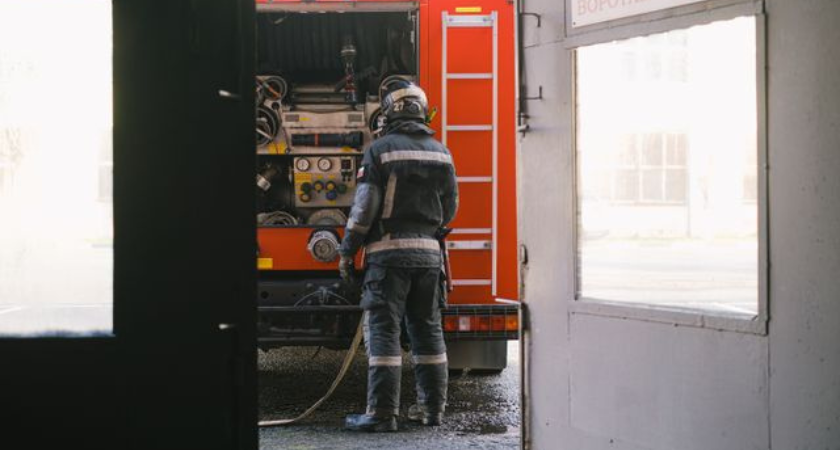
In Oregon, Howard S. Wright was awarded the Beaverton Station 67 remodel project for Tualatin Valley Fire & Rescue.
The renovation project will be delivered through a progressive design-build approach and is intended to improve operational capabilities for the fire district, which serves multiple cities and counties in the region.
According to project information released by Howard S. Wright, the upgraded facility will support long-term emergency service operations and response requirements.
Public safety construction projects increasingly incorporate updated training areas, resilient infrastructure and modern operational layouts intended to improve emergency preparedness and firefighter safety.
Local governments throughout the Pacific Northwest continue prioritizing investments in fire stations, emergency operations centers and civic infrastructure as municipalities address aging facilities and regional population growth.
For construction owners and contractors, public safety projects often require phased coordination, specialized building systems and operational continuity planning tied to emergency response functions.
Design-build delivery methods are also becoming more common for municipal infrastructure projects seeking collaborative project development and accelerated delivery schedules.
Source: Balfour Beatty.