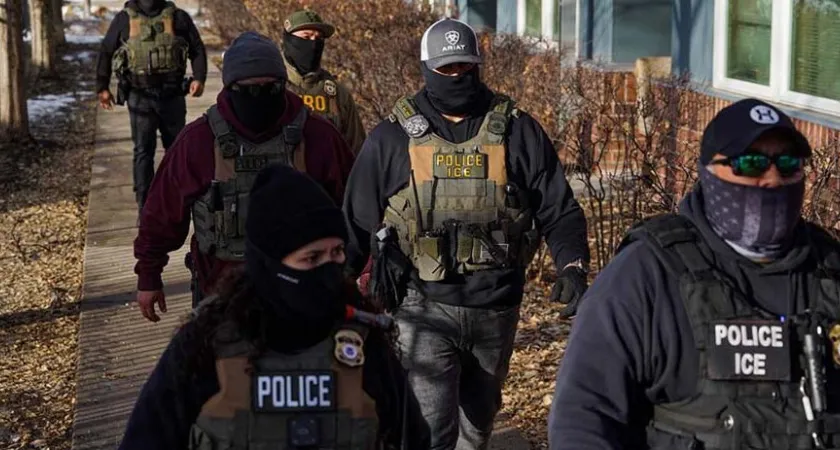
MINNEAPOLIS — Winter can already be one of the most difficult seasons for Minnesota construction crews, but immigrant workers say a new concern is creating even more uncertainty: ICE enforcement activity near and on job sites.
Some workers fear arrests could happen without warning, threatening their ability to earn a living and support their families.
“The biggest fear that we face is that ICE will come to our sites and arrest us without knowing why,” says Alexander, who came to Minnesota from Honduras three years ago. “Then we will not be able to make money and might be deported and not make a living.”
.webp)
Alexander did not say whether he is in the United States legally, but said he and his brother moved to the U.S. in search of better opportunities. He also said he has personally witnessed coworkers being detained.
Alexander said enforcement actions can create immediate chaos on active construction sites, sometimes leaving tools, vehicles, and unfinished work behind.
“People have been picked up at construction sites in the middle of working, and their cars are just left there, their tools are just left there,” Alexander explains. “Obviously, that project was disrupted.”
Industry voices say the impact can be much wider than the workers taken into custody, affecting entire crews and forcing contractors to pause work while they try to regroup.
Minnesota’s homebuilding sector says the disruptions are worsening an existing shortage of housing construction. Builders report a backlog of roughly 100,000 homes statewide, and some believe job site interruptions are adding to delays.
“They’re taking the whole crew,” says Grace Keliher, with the Builders Association of Minnesota. “They’re not picking or looking at documents or going through. The whole crew is off the site.”
Keliher said those sudden losses in labor can cause delays ranging from a single day to weeks, depending on where a project is in its schedule and what trade work is impacted.
Asked what construction shutdowns look like in practice, Keliher pointed to how even one interruption can derail sequencing.
“Basically, we’re finding they have to shut down for at least one day, whether it’s the concrete factory or a roofer,” Keliher notes.
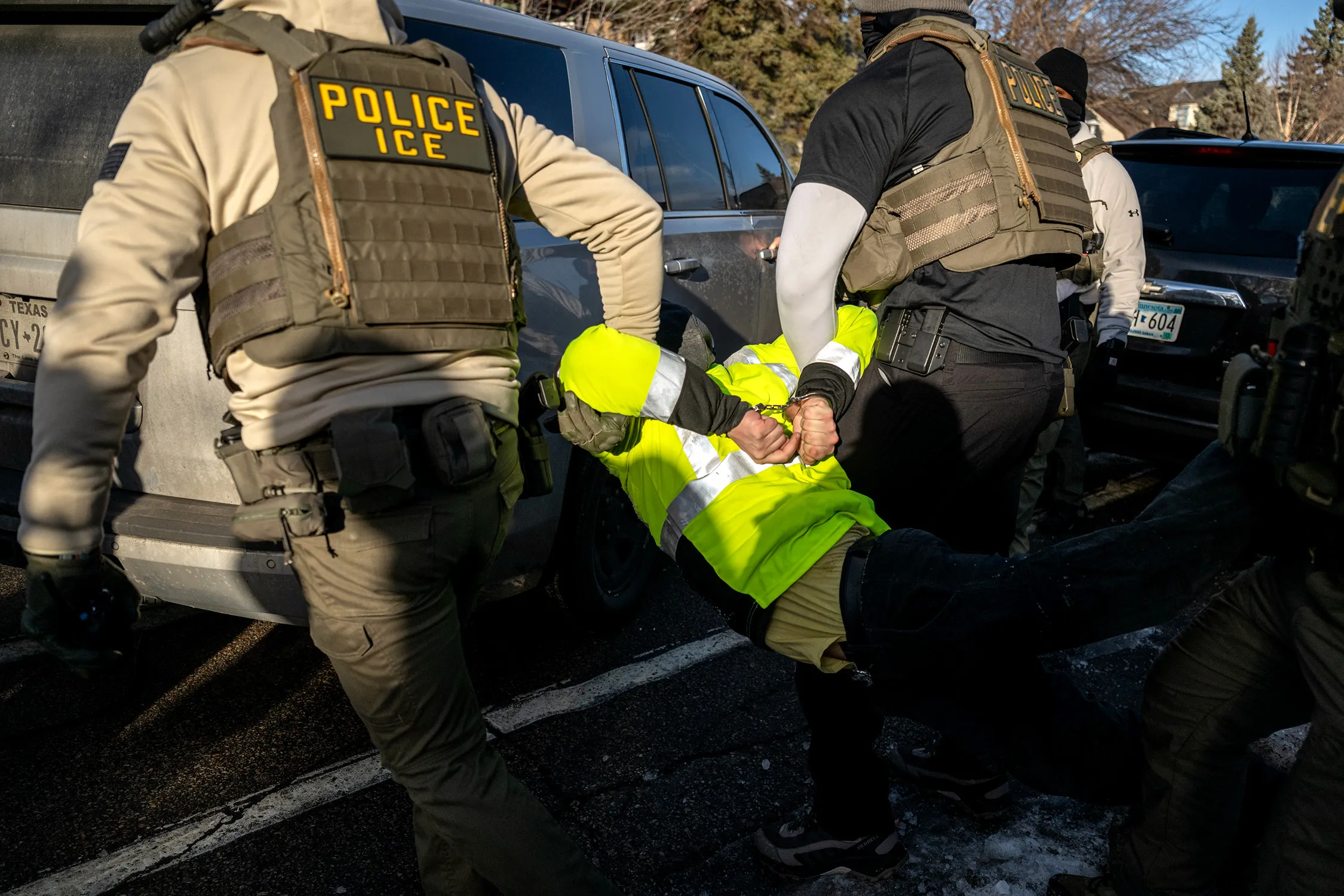
Beyond enforcement activity itself, advocates say worker fear is causing absenteeism — and in some cases, entire teams not showing up.
“We have developers telling us that over 60% to 70% of the workforce are not showing up to work,” explains Lucho Gomez, director of Campaign Strategies for CTUL, a non-union workers support organization, based in Minneapolis. “Which means their projects are not getting completed, which means investors’ money is starting to become a threat, and a huge economic blow for the entire city.”
Gomez said workers may stay home regardless of immigration status, concerned they could still become targets during enforcement actions.
“Whether you have a visa, work permit, asylum case, everybody is being targeted,” Gomez says. “Regardless of whether our members here have one of those papers or statuses, they’re not showing up to work.”
ICE says its mission is to locate and detain criminals and those believed to be in the country illegally. But Alexander believes enforcement actions are capturing people who are simply trying to work and support their families.
“I think that workers deserve respect and dignity, and I would be fine if ICE focused on delinquents and criminals, but that’s not what’s happening,” he says. “Lots of just good, hardworking people are being detained. That’s a big fear.”
Builders and advocates say the long-term effect could reach beyond construction companies, impacting housing supply, project budgets, and timelines at a moment when Minnesota’s demand for new homes is already high.
Originally reported by Richard Reeve KSTP in KSTP.