Idaho has officially started construction on a major two-year effort to modernize the nearly century-old Ridenbaugh Diversion Dam on the Boise River—a $20 million infrastructure project aimed at boosting irrigation reliability, increasing operational safety, and protecting fish populations.
State, local, and water district officials gathered on Oct. 14, 2025, to mark the groundbreaking, launching what they describe as one of the region’s most important water infrastructure upgrades in decades. The dam, located just east of Barber Park, plays a crucial role every summer when thousands of people float the river and when farmers rely on consistent water delivery across the Treasure Valley.
Gov. Brad Little highlighted the importance of the upgrade, calling the dam "a powerhouse in the Treasure Valley," and emphasizing that the modernization serves multiple priorities beyond irrigation. "This project in particular will be a modernization into the 21st century, but it also has a safety and a fish aspect to it," Little said. "So, this is not just a pure irrigation project. It really checks all the boxes for what's important in Idaho."
The project is supported by several significant state and federal funding streams. It draws partially from the $30 million water infrastructure allocation approved by the Idaho Legislature during the 2025 session. The Nampa and Meridian Irrigation District also received $10.7 million from the Idaho Water Resource Board and a $4.7 million Bureau of Reclamation Watersmart Grant.
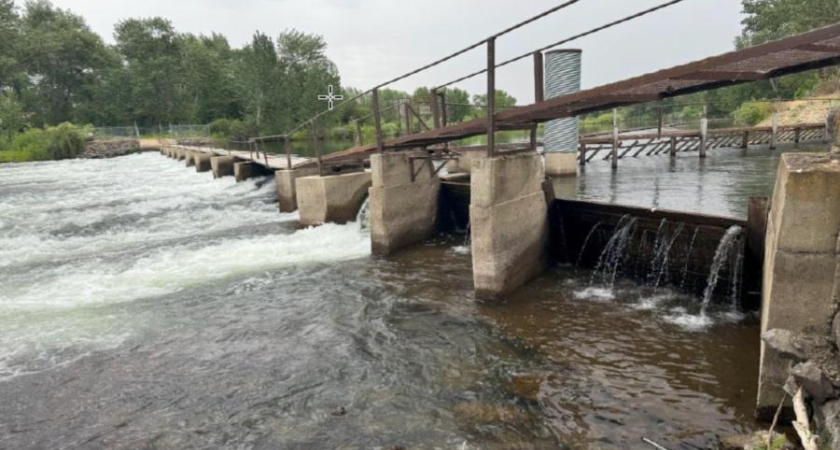
These combined funds will allow the district to replace an aging dam that has become increasingly unsafe and inefficient. Built in the 1930s, the structure currently requires a three-person crew to manually install or remove 20-foot boards—even during harsh weather—to raise water levels for irrigation.
.jpg)
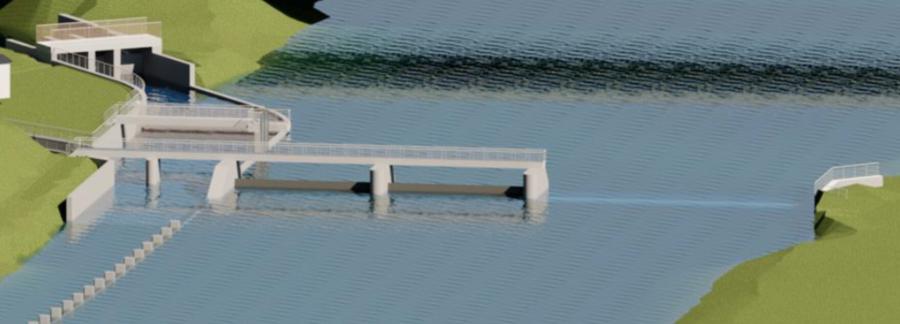
Once completed, the upgraded dam will eliminate the labor-intensive manual process. The new design includes fully automated gates and an 80-foot weir stretching from the crest gate to the north bank of the Boise River. Two temporary cofferdams will be used during construction to safely dewater alternating sides of the river.
Key components of the modernization include:
At the groundbreaking, district president Donald Barksdale said the improvements will deliver long-term benefits:
"We're hopeful that our new facility will enable us to distribute irrigation water through the valley for another 100 years."
Irrigation district water superintendent Greg Curtis confirmed the total project cost will not exceed $20.7 million and remains on track for completion by spring 2027. Because Barber Park is one of Idaho’s most popular floating destinations, construction work is scheduled primarily during the winter months.
Crews will begin work on one side of the river immediately and continue through March or April, at which point the old boards will temporarily be reinstalled to support the floating season. Construction will then shift to the opposite side in October 2026, continuing until the full replacement is completed.
Once finished, the project is expected to deliver significant improvements in water delivery efficiency, operational safety, and environmental protection—positioning the Ridenbaugh Dam to remain a cornerstone of the Treasure Valley’s irrigation system for the next century.
Originally reported by Idaho Water Resource Board in Construction Equipment Guide.