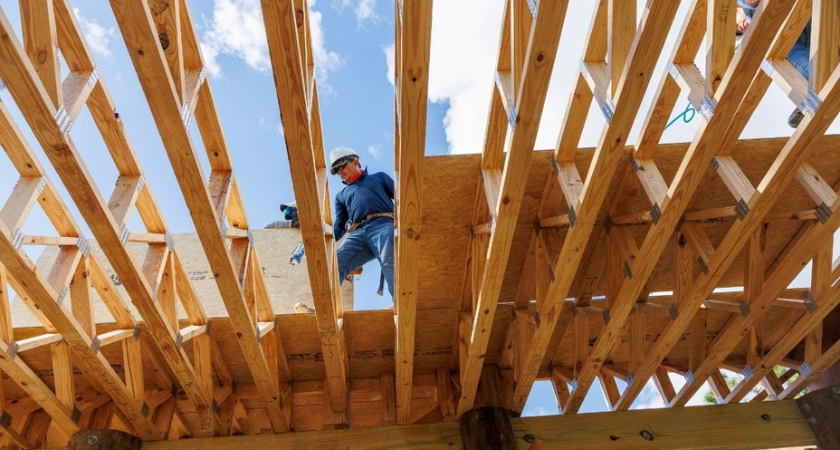
Kentucky’s housing market continues to serve as a standout example of affordability during a time when much of the nation struggles with rising prices and limited inventory. According to Realtor.com’s State-by-State Housing Report Card — part of the wider Let America Build campaign — the Bluegrass State earned a C+, placing it among the stronger-performing markets in the U.S.
.jpg)
For buyers, Kentucky remains accessible. The state’s median listing price of $304,296 in 2024 is well below the national average, and a median income of $62,837 ensures many households still qualify for a wide selection of homes. With a Realtor Affordability Score of 0.75, opportunity remains within reach for both first-time buyers and families seeking to upgrade.
The affordability gap across most U.S. housing markets continues to widen, prompting political calls for major changes. President Donald Trump recently pointed to large homebuilders as part of the bottleneck slowing supply, saying they are restricting new development.
“They’re my friends … but now, they can get Financing, and they have to start building Homes. They’re sitting on 2 Million empty lots, A RECORD,” Trump wrote on Truth Social, urging Fannie Mae and Freddie Mac to “get Big Homebuilders going” and “restore the American Dream.”
While some states lag behind in balancing supply and demand, Kentucky appears to be managing that balance more effectively.
Kentucky accounted for 1.1% of all U.S. housing permits in 2024, closely aligned with its share of the population. That means new housing is being built roughly in step with growing demand — a contrast to coastal states dealing with significant shortages.
The state’s new construction premium, sitting at 32.3%, indicates new homes remain competitively priced, giving buyers modern amenities without unattainable cost jumps. In many parts of the U.S., that premium exceeds 50%.
“America is short more than 4.7 million homes, and every new home built helps close that gap while fueling local economies," says Shannon McGahn, executive vice president and chief advocacy officer at the National Association of Realtors®.
"NAR research shows that the U.S. has faced a persistent housing shortage for more than a decade, driving up prices and limiting options for buyers. Expanding housing supply creates jobs, supports small businesses, and affords families the opportunity to build generational wealth.”
The South and Midwest have become the country’s primary engines for new home construction. According to Realtor.com’s New Construction Insights, land costs, permitting conditions, and available labor all give states like Kentucky a competitive edge over markets facing restrictive zoning and scarce developable land.
Nationally, the median new construction list price — $450,797 — is stabilizing. Meanwhile, resale home prices continue to rise, reducing the premium gap to 7.8%, the lowest level ever recorded. Kentucky is benefiting from the same trend, helping builders keep pace with demand — particularly important in its growing suburban regions.

While Kentucky has not yet implemented broad homebuilding legislation, Gov. Andy Beshear has made post-disaster housing reconstruction a top priority following devastating floods in 2025 and tornado damage in late 2021.
“I made a promise to be there for the people of Eastern Kentucky until every structure, home and life is rebuilt,” Gov. Beshear said after announcing $6.2 million in Disaster Recovery funds, including support for transforming a former medical building into 18 new and affordable apartments for flood survivors. “That’s a promise I’m going to keep, regardless of the challenges we face. Jackson has been through the very worst, and they deserve the very best.”
“Our promise wasn’t just to rebuild, but to provide a better life,” the governor said when launching a new online application portal for housing relief at housingcantwait.org.
In September, Beshear continued delivering keys to tornado-impacted families in Princeton and Mayfield.
“After such heartbreak and loss, today is a day of healing and hope as we see these two families — who have been through so much — enter their new homes that will provide the safety and security they deserve,” Beshear said. “These home dedications are a reminder of how Kentuckians take care of each other, and we will be here for our neighbors until every structure, home and life is rebuilt.”
Experts caution that affordability is not guaranteed future success. Kentucky must monitor inventory levels, workforce capacity, and inbound migration — especially as states with higher costs see more residents moving to the Midwest and South.
Still, Kentucky’s current position remains relatively strong. With supportive building conditions, stable demand, and a growing national spotlight on workforce and supply challenges, the state may hold an advantage — if leaders continue prioritizing balanced housing growth in the years ahead.
Originally reported by The Realtor.com Team