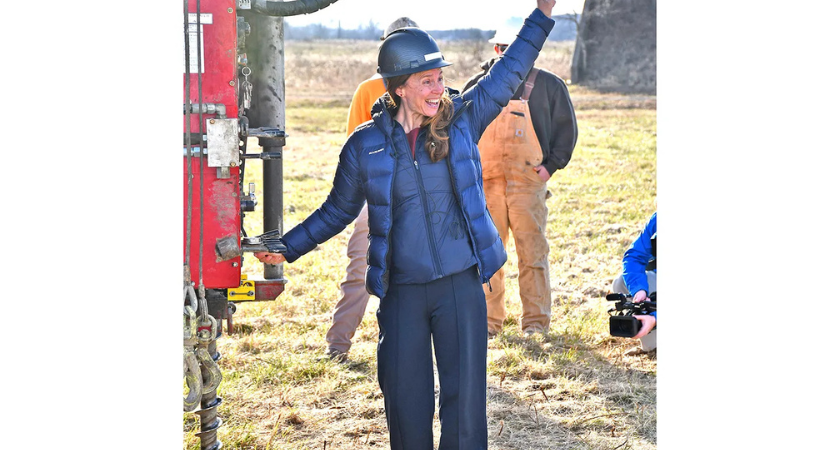
Construction is officially underway on a groundbreaking underground nuclear power project in southeast Kansas, marking a major step forward for a new generation of small nuclear reactors designed to operate deep below the Earth’s surface.
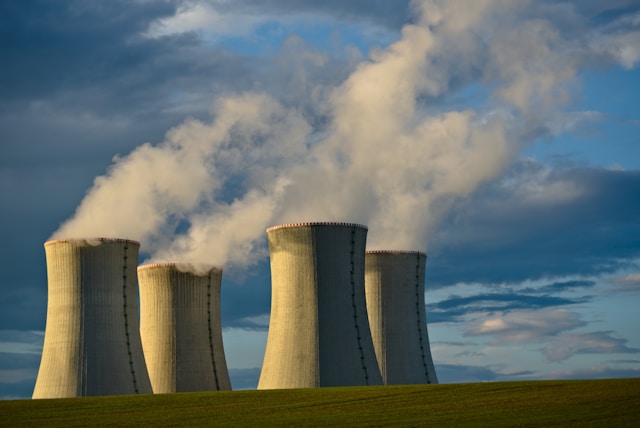
Deep Fission has begun work on a small nuclear reactor that will be built one mile underground at the Great Plains Industrial Park in Parsons, Kansas. The site is a former Kansas Army Ammunition Plant and is now being positioned as a hub for energy-intensive development, including potential data center projects.
City officials see the project as a way to attract large power users while limiting the strain that such facilities often place on local electric grids and residential ratepayers. Data centers, in particular, are known for consuming vast amounts of electricity and water, which has fueled opposition in some communities.
Deep Fission CEO Liz Muller addressed those concerns in comments to NPR affiliate KCUR, saying the company’s reactor design avoids many of the resource challenges associated with traditional power generation. According to Muller, the facility will not require large volumes of water for cooling, a frequent concern raised by critics of both nuclear plants and data centers.
Instead, Deep Fission has partnered with Endeavor, the parent company of Edge, a firm that specializes in waterless data center technology. Muller also emphasized that any radioactive waste generated by the plant would remain underground and be contained beneath “billions of tons of rock.”
In a press release announcing the project, Deep Fission said Parsons offers the opportunity to “potentially grow the Park for decades to come,” citing the site’s existing industrial infrastructure and proximity to regional energy markets.
Deep Fission was founded in 2023 by Liz Muller and her father, Rich Muller, a University of California, Berkeley professor emeritus of physics. The company’s concept centers on drilling 30-inch-wide shafts approximately one mile deep and placing compact nuclear reactors at the bottom.
Under the design, water is added to the underground system, where it heats up, turns to steam, and rises to power turbines at the surface. Afterward, the steam cools, condenses back into water, and flows downward for reuse, creating a closed-loop energy system.
If successful, the Parsons project could serve as a model for future underground nuclear facilities across the country, offering a potential pathway for reliable, low-carbon power generation with a smaller surface footprint than conventional nuclear plants.
Originally reported by OK Energy Today.