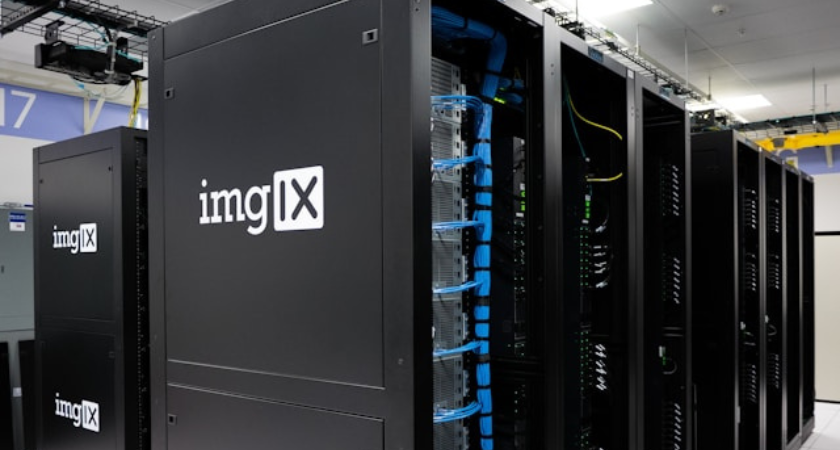
Kansas City has approved its first-ever zoning regulations governing where and how data centers can be built, marking a significant shift for a city that has become a major hub for large-scale digital infrastructure projects.
The Kansas City Council unanimously passed the zoning change Thursday, ending years of “by right” development that allowed data centers to be built in most parts of the city without special approval or public input. Advocates say the move represents an important step toward reining in the rapid expansion of AI-driven data center development.

There are currently about 30 data centers operating in Kansas City, Missouri. Until this week, developers could construct new facilities in nearly any zoning district, as long as projects met basic building standards.
That framework changed with the council’s vote, which introduces location limits, size-based classifications, and a new approval process for nearly all future data center developments.
Before the change, data centers were classified as “communications service establishments,” placing them in the same category as radio or television studios. Because the city lacked data-center-specific zoning rules, projects could move forward without discretionary review or city council approval.
Brooke Bowlin, an organizer with KC Data Center Watchdog, said the ordinance marks the first time residents have been given meaningful input into how these developments shape their neighborhoods.
“We view it as just the first step,” Bowlin said. “It's the one that's available to us now, so we're capitalizing on it. But it's not the end-all-be-all of this fight to end data center development here.”
Advocacy around the zoning change drew participation from residents across the city, many of whom raised concerns about noise, energy demand, water usage, and limited public benefit.
Under the new rules, data centers are prohibited in rural, residential, neighborhood, and retail zoning districts unless developers seek rezoning or special approval. Smaller facilities may still be allowed in heavy business or commercial areas, while downtown projects are limited in size and footprint.
Manufacturing districts and master-planned developments can still host data centers, but additional regulations apply, including noise limits and minimum distance requirements from property lines.
Council member Eric Bunch said the zoning change addresses the physical placement and scale of data centers but noted that broader environmental concerns remain unresolved.
“We've had probably thousands of emails on this topic over the last couple of months, so this is just one step in this process,” Bunch said. “There is more work to be done to understand this and make sure that folks have their voices heard on this particular issue, and that we truly address what the issues actually are.”
The ordinance also adds a new requirement that utility providers submit letters confirming they have the capacity to meet proposed water and energy demands before a project can move forward.
Justin Murray, an architect with Bell/Knott & Associates, submitted one of the only public testimonies opposing the zoning change. His firm specializes in data center construction nationwide and has built at least three facilities in the Kansas City area.
.webp)
“As a resident and a licensed architect with over 25 years of experience in the design and operation of these environments, I believe the current legislation is shortsighted, poorly defined, and unlikely to achieve its intended goals of reducing energy or water consumption effectively,” Murray said.
Murray warned the rules could push developers to other markets, potentially costing Kansas City construction jobs and tax revenue.
While the ordinance establishes new oversight, many city leaders and residents say additional reforms are needed. Some council members want stricter limits on water and energy consumption, while KC Data Center Watchdog is calling for greater scrutiny of the Port Authority of Kansas City.
At Thursday’s meeting, council member Nathan Willett criticized the lack of public review attached to major data center incentives.
“Many times you have more community engagement to put a fast food chain on North Oak than you do an actual multi-million or half a billion dollar data center,” Willett said. “This is to better guide the process and give constituents and community members more input if there are to be more data centers attempted to be built in our city.”
Advocates are also pushing for reduced tax incentives and tighter regulation of utility usage, arguing residents should have transparency into how large developments affect power bills and infrastructure investments.
“Why are we giving all this tax money away? Why are we having all this development put in place, but then it's not publicly available to all of us to know what's happening?” Currid said. “I should be able to know why my power bill went up, and it's because they had to put in a new substation or gas power plant or water pumping facility for one development.”
Next week, a city council committee will consider directing City Manager Mario Vasquez to study the broader impacts of data centers on Kansas City’s environmental quality, water rates, economic growth, and incentive policies—signaling that further regulation may soon follow.
Originally reported by Savannah Hawley-Bates in KCUR.