Kansas City is moving forward with upgrades to a historic bridge near the Country Club Plaza as part of a broader effort to prepare for the 2026 FIFA World Cup, with city officials confirming that a well-known statue near the site will remain in place during construction.
Since September 2025, the city has been carrying out renovations around the Wornall Bridge as part of its “2026 World Cup Legacy Project.” City officials say roughly $1.5 million is being invested to improve infrastructure and enhance the city’s appearance ahead of an expected influx of international visitors.
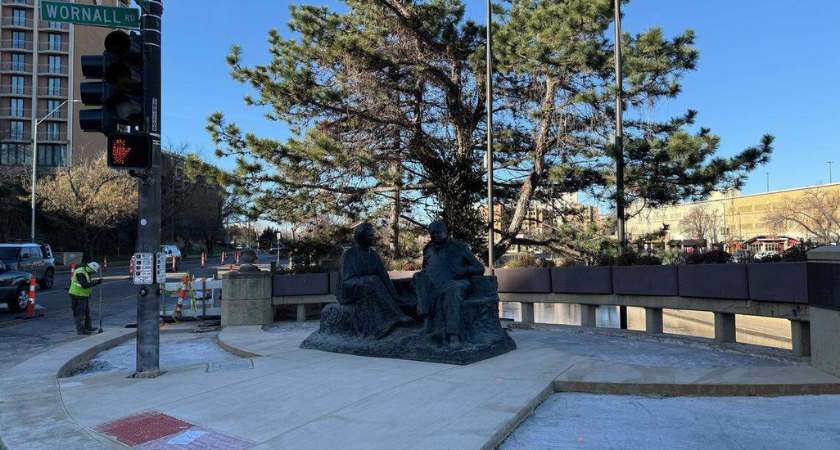
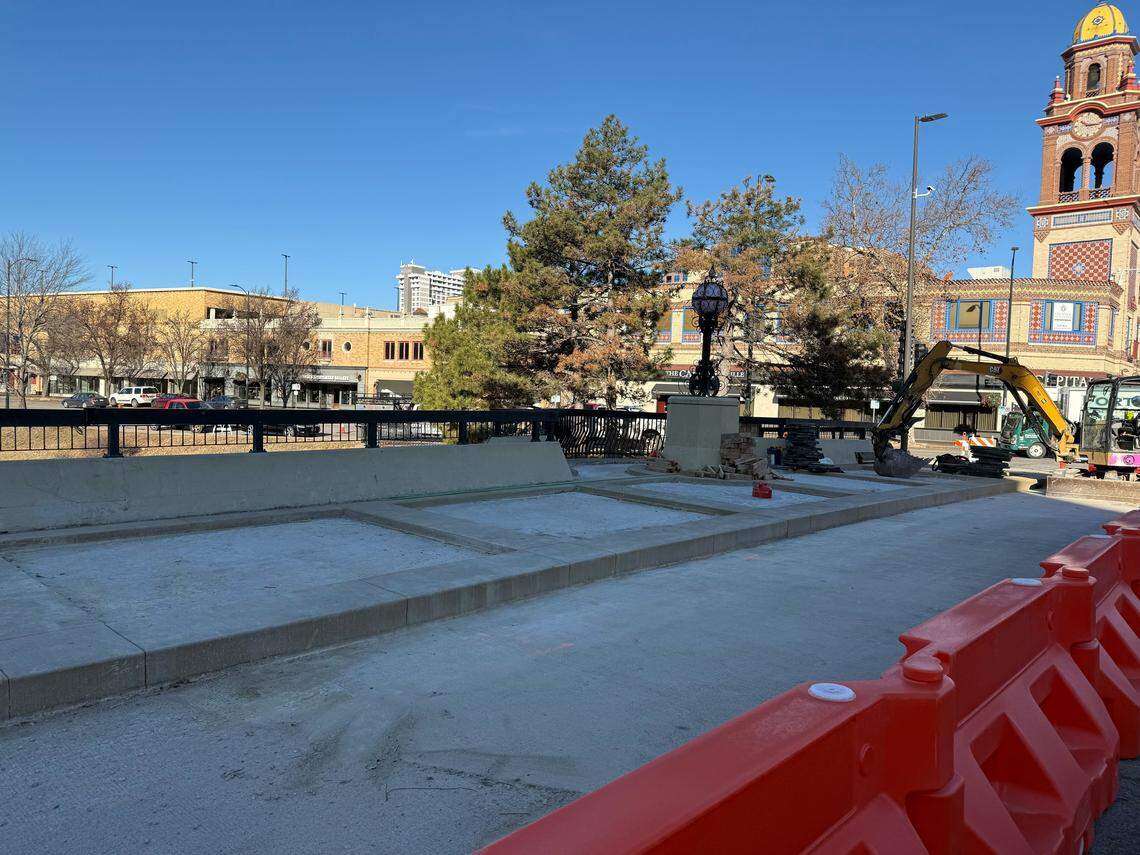
The Wornall Bridge, located between Wornall Road and Broadway, is one of several sites receiving improvements. Crews are repairing sidewalks, replacing paver bricks, and updating railings and barriers near the bridge. Traffic continues to move through the area, with one lane closed on each side of the bridge, while pedestrians are directed through protected walkways adjacent to the construction zone.
Because of the bridge’s proximity to the Plaza and its heavy pedestrian use, city officials say the project was accelerated to prevent further deterioration.
“Because (the bridge) connects with the Plaza, we’re trying to keep in mind all the foot traffic that is going to be in that area,” said Toni Zibert, a spokesperson for Kansas City Parks & Recreation. “With the tournament coming here to Kansas City, I think the city kind of fast-tracked that project instead of more damage being done.”
Zibert said the upgrades are intended to help the bridge safely accommodate the large crowds expected during the World Cup while also improving its appearance.
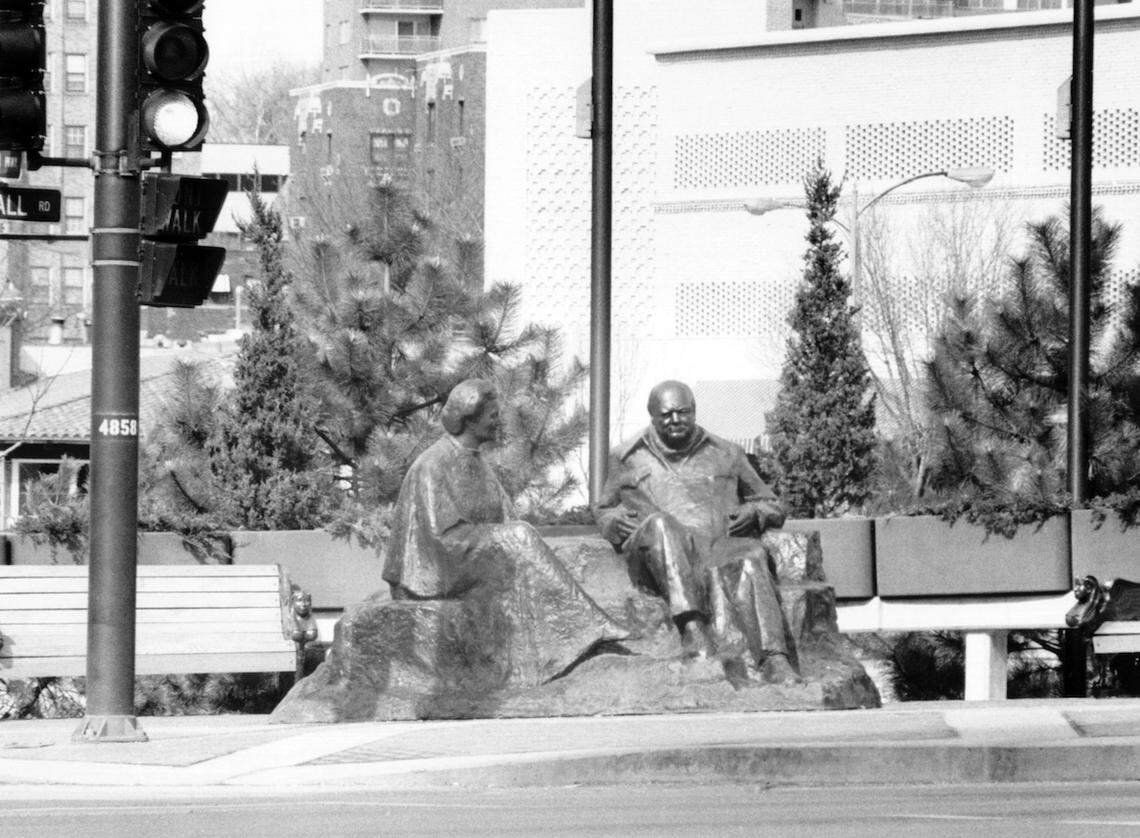
The nearby “Married Love” sculpture — officially titled Tribute to Married Love — will not be relocated or altered as part of the project. The bronze statue of Winston and Clementine Churchill, which has stood at the corner of Ward Parkway and Wornall Road since 1984, will remain untouched. However, the base of the sculpture and the surrounding sidewalk will receive cosmetic improvements as part of the renovation.
Zibert added that the work will not only improve function but aesthetics as well, saying the project will make the bridge “look really pretty.”
The Wornall Bridge project is one of several infrastructure improvements underway across the city tied to World Cup preparations. Zibert said multiple city departments are overseeing their own projects connected to the international event.
One example is Yvonne Starks Wilson Park, which is scheduled to receive upgrades including a new basketball court and a walking trail. Additional planned projects include street improvements and a redesign of the transit corridor along Stadium Drive.
The city has also announced plans to update transportation along Southwest Boulevard, though officials said specific details are still being finalized.
According to Zibert, both the Wornall Bridge improvements and the Wilson Park upgrades are expected to be completed by May.
Beyond its role in World Cup preparations, the area surrounding the bridge holds deep historical significance for Kansas City. The Married Love sculpture depicts Winston Churchill, the former British prime minister, and his wife Clementine, seated together. Churchill’s connection to Missouri dates back to March 5, 1946, when he delivered his famous “Iron Curtain” speech at Westminster College in Fulton at the invitation of President Harry S. Truman, a Missouri native.
Churchill later developed a relationship with Kansas City through his friendship with Joyce C. Hall, founder of Hallmark Cards. That connection led to the creation of the popular Churchill Christmas Cards, which expanded into calendars and other printed works.
The statue was dedicated on May 12, 1984, across from the InterContinental Hotel and near the Diana Fountain. Sculptor Oscar Nemon, who created the Kansas City piece, also crafted a smaller version for Blenheim Palace in England, where Churchill was born and married.
As Kansas City continues preparing for the 2026 World Cup, officials say projects like the Wornall Bridge upgrades are intended to balance preservation of historic landmarks with the practical needs of hosting a global event, ensuring the city is ready to welcome visitors while protecting its cultural heritage.
Originally reported by Rashad Alexander in Kansas City.