As thousands of Los Angeles residents begin rebuilding after the January wildfires that destroyed more than 18,000 buildings, many homeowners want to return with safer, all-electric homes. Community advocates say electrification not only reduces emissions but also avoids the fire and health risks tied to gas appliances. Yet California’s largest gas utility is offering ratepayer-funded incentives that critics argue undermine these climate-forward goals.

The tension centers on SoCalGas, which is providing thousands of dollars in rebates to wildfire survivors who install gas appliances. These rebates—such as $600 for a gas patio heater, $750 for a gas fireplace insert and $2,250 for a gas tankless water heater—are funded through a CPUC-approved energy efficiency program and available through the Residential Energy Efficiency Fire Rebuild track.
A CPUC representative defended the approach, saying SoCalGas is operating within existing rules. “SoCalGas is using an existing and approved program to offer existing measures that are more efficient to SoCalGas customers,” said CPUC communications director Terrie Prosper.
But environmental advocates argue the rules themselves are outdated. Matt Vespa, senior attorney at Earthjustice, said the current framework enables SoCalGas to steer residents toward fossil fuel technologies just when climate risks are escalating. “The rules are definitely broken,” Vespa said. “This should not be allowed.” He added that using ratepayer money this way “jeopardizes public health, safety, and our climate goals,” calling the commission’s actions “infuriating.”
The controversy stems from a 2023 CPUC decision that sought to phase out gas incentives but created a major exception: wildfire rebuilds. That carve-out allows utilities to treat wildfire reconstruction as building retrofits—not new construction—meaning gas rebates still qualify. Vespa noted that the exception created exactly the scenario advocates warned about. “They basically carved out an exception for new construction for wildfire rebuilds,” he said. “Their reasoning makes zero sense.”
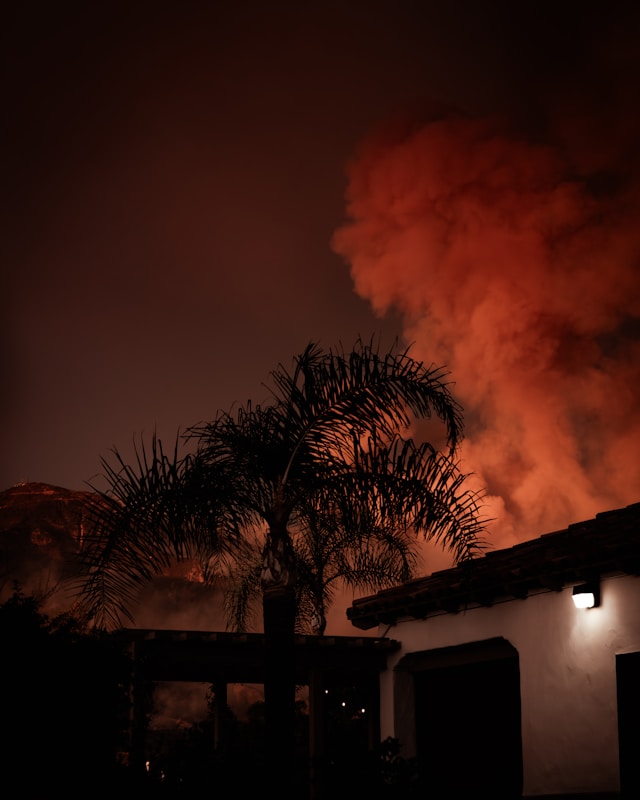
For affected residents, the stakes feel personal. In the Palisades, where the fire killed 12 people and destroyed more than 6,000 structures, survivors like Sara Marti are trying to rebuild safer homes. Marti, whose apartment and parents’ home were lost, said electrification is the path forward. “Gas emits all kinds of toxins into the air. It’s dangerous because it explodes when there’s fires and earthquakes,” she said. As communications director for Resilient Palisades, she is helping lead a grassroots push for all-electric rebuilds, citing lower cost, better indoor air quality and cleaner energy.
She criticized SoCalGas for pushing the opposite direction. “We’re already overwhelmed with decisions. And if you hear about a rebate, it’s confirming that this might be the right way to go,” Marti said. She called the rebates “putting profit over people,” warning that they complicate efforts to rebuild homes that are safer and more climate-resilient.
The dispute is part of a broader pattern in which SoCalGas has been accused of resisting electrification policies. Earlier this year, the utility drew scrutiny for its role in opposing proposed zero-emission appliance standards in Southern California—efforts that ultimately delayed the rules.
Vespa said this moment highlights a regulatory system in need of reform. “It tells you the rules aren’t working properly and they need to change,” he said. Despite California’s strong overall energy efficiency rankings, the pace of reforms around gas incentives has lagged. A long-awaited CPUC guidance document on electric rebate alternatives, expected years ago, still has not been finalized.
For now, wildfire survivors rebuilding in Los Angeles face conflicting signals: community leaders urging safer, cleaner homes, and a utility offering cash incentives to stick with gas. Advocates say the CPUC must accelerate action to align recovery efforts with climate targets—and ensure the state does not miss a critical opportunity to “build back better.”
Originally reported by Hilary Beaumont in Inside Climate News.