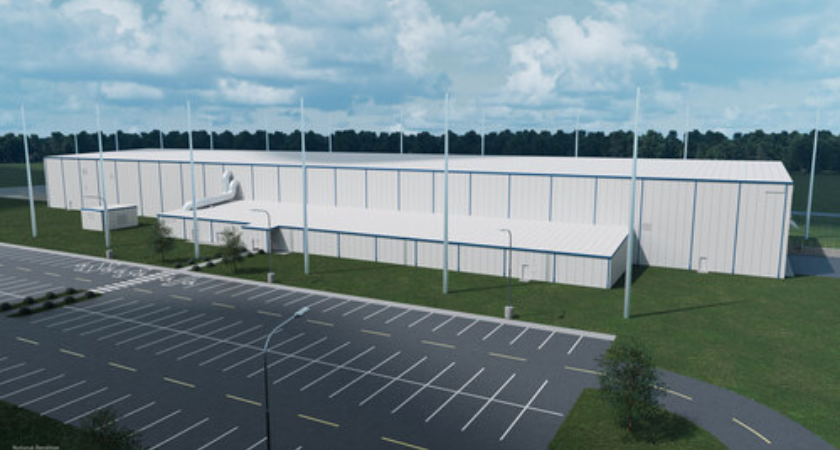
Lockheed Martin is moving closer to completing a major new facility in Courtland, Alabama, marking a significant expansion of its production capabilities for the Next Generation Interceptor (NGI). Company officials confirmed that the 88,000-square-foot Missile Assembly Building-5 (MAB-5) is on schedule to be finished in early 2026, with a formal opening planned soon after.

The NGI program is central to the Missile Defense Agency’s efforts to modernize the nation’s homeland missile defense systems. Lockheed Martin describes the new facility as critical infrastructure designed to support rapid, high-volume NGI production at a time when global missile threats are evolving quickly.
“We’re building out nearly 100,000 square feet of manufacturing and production spaces in Courtland dedicated to the NGI program,” said Johnathon Caldwell, vice president and general manager of Strategic and Missile Defense Systems at Lockheed Martin. “The new Missile Assembly Building represents a major investment in our ability to produce the NGI at scale and meet the government’s need for rapid delivery.”
Lockheed Martin built MAB-5 specifically to support efficient, repeatable assembly methods used in other high-reliability defense systems, including THAAD. The facility integrates advanced workflow planning, higher security standards, and automation-ready production zones to help maintain both speed and quality.
The NGI program itself has been developed with a digital-first approach. The company said the system is “born digital,” relying heavily on advanced modeling, simulation, and virtual validation tools to reduce manufacturing risk and compress timelines.
The digital engineering pipeline includes:
Caldwell said this approach is foundational to delivering NGI on time. “This capability was designed for performance, but more importantly, it was also designed for manufacturability, reliability and speed,” he said. “As the backbone to a multilayered integrated national defense system, producing NGI at speed is paramount to the mission.”
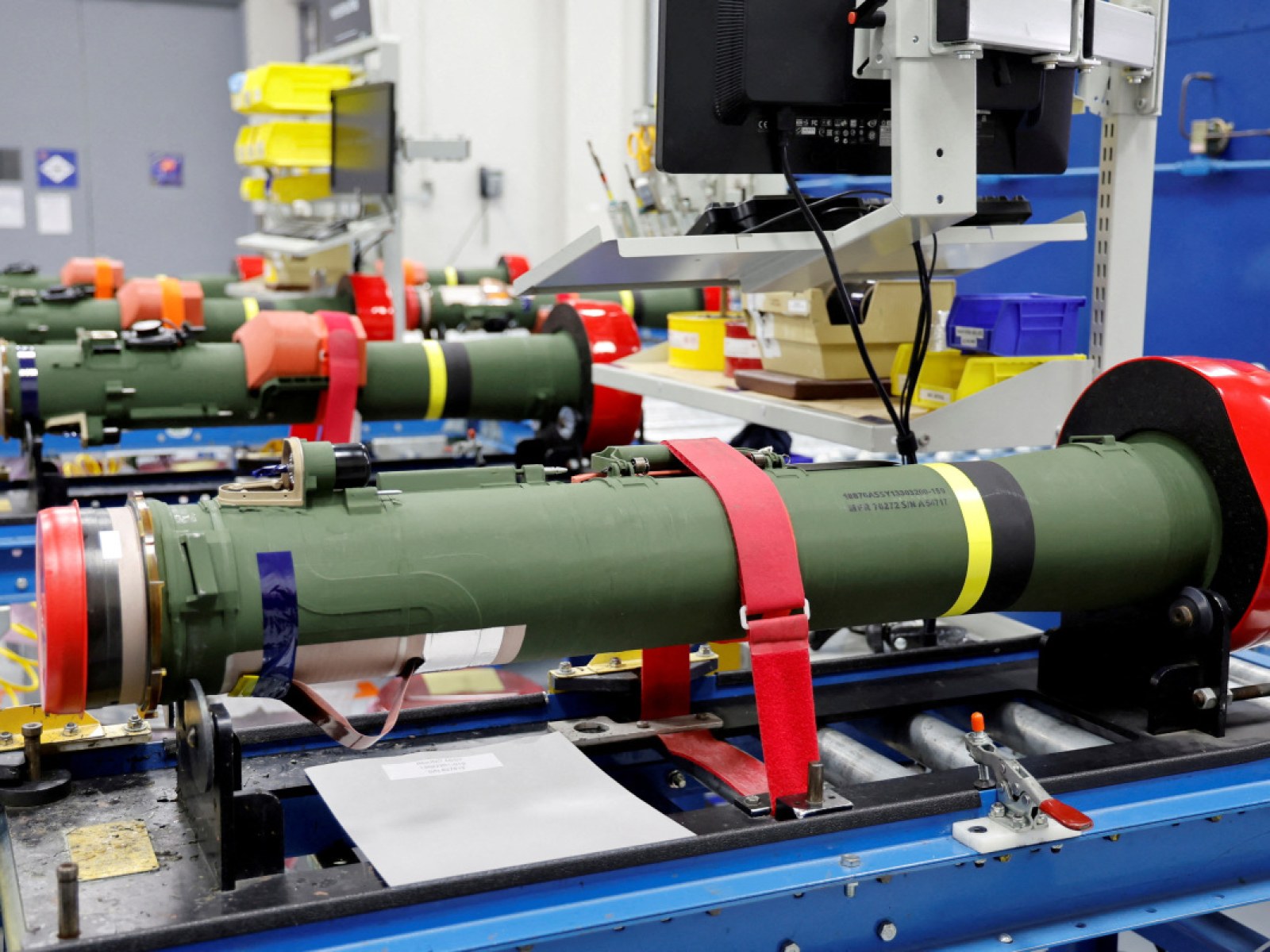
The Courtland campus already supports multiple Army, Navy, and MDA programs and employs nearly 500 workers. Lockheed Martin expects around 100 employees to work inside MAB-5 when the facility becomes fully operational.
U.S. Rep. Dale Strong praised the investment, highlighting its regional and national significance. “This new state-of-the-art facility will speed up production, create good-paying jobs and help drive economic growth in the community,” Strong said. “Projects like this show that Courtland’s best days are still ahead.”
Lockheed Martin’s nearby Troy, Alabama facility—an established hub for missile hardware integration—will also play a major role in the NGI production chain. Together, the Courtland and Troy campuses position Alabama as a strategic center for next-generation missile defense systems.
As the Missile Defense Agency accelerates work on more advanced homeland defense systems, NGI has emerged as a priority. Lockheed Martin’s investment reflects the broader push to modernize missile defense infrastructure while adopting manufacturing systems that allow for faster delivery and greater reliability.
Originally reported by Lockhead Martin in PR Newswire.