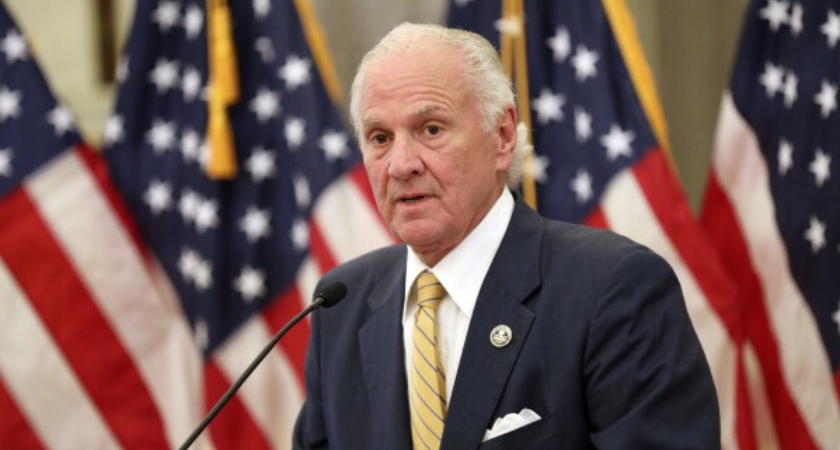
South Carolina Governor Henry McMaster is preparing to ask state lawmakers to dedicate an additional $1.1 billion from the state budget to help keep road construction projects on schedule as inflation continues to drive up construction and labor costs statewide.
The proposal is part of McMaster’s 2026 executive budget and is intended to sustain momentum on infrastructure improvements across South Carolina at a time when material prices, labor expenses, and supply-chain pressures are significantly increasing project costs.
Over the past four years, the state has invested $1.4 billion in new construction and upgrades to roads, bridges, highways, and interstates. That investment has fueled a sharp expansion in active projects, with $7 billion currently underway — up from $2.7 billion in 2017, according to the governor’s office.
McMaster warned that rising costs could jeopardize progress on both existing and planned projects, noting that construction inflation poses a serious risk to schedules and budgets across the country and within South Carolina.
“South Carolina has made tremendous progress improving our roadways, with major projects underway in every corner of our state,” said McMaster. “Our population is skyrocketing, and inflation is driving up construction costs, creating potential delays. We can’t make more time, but we can use this new surplus money to keep road projects moving and on schedule.”
The governor’s recommendation follows a request from South Carolina Department of Transportation Secretary Justin Powell, who cited inflationary pressures as a growing challenge for the agency as it works to deliver large-scale transportation improvements.
McMaster’s office highlighted several high-profile projects where costs have increased sharply since 2022:
In addition to covering cost overruns, McMaster’s proposal would fund shovel-ready interstate widening projects, including segments of I-85 in Anderson and Oconee counties and I-77 in York and Chester counties, allowing those projects to advance without delay.
The impact of inflation is also evident in the state’s gas tax revenue. In 2017, a single penny of the gas tax could pave 114 miles of two-lane highway. By 2025, that same penny covers just 87 miles, significantly reducing purchasing power for transportation improvements.
Despite those challenges, SCDOT has made substantial progress since 2017, placing more than 10,000 miles of roadway under paving contract, repairing or rehabilitating over 450 bridges, and completing multiple major interstate upgrades statewide.
McMaster is expected to release his full executive budget for the 2026–27 fiscal year in the coming days, setting the stage for legislative debate over how the state addresses rising infrastructure costs while continuing its long-term transportation investment strategy.
Originally reported by Tim Renaud in Counton 2.